
Poland’s Constitutional Tribunal Crisis Escalates as Tusk and Nawrocki Clash Over Judicial Control
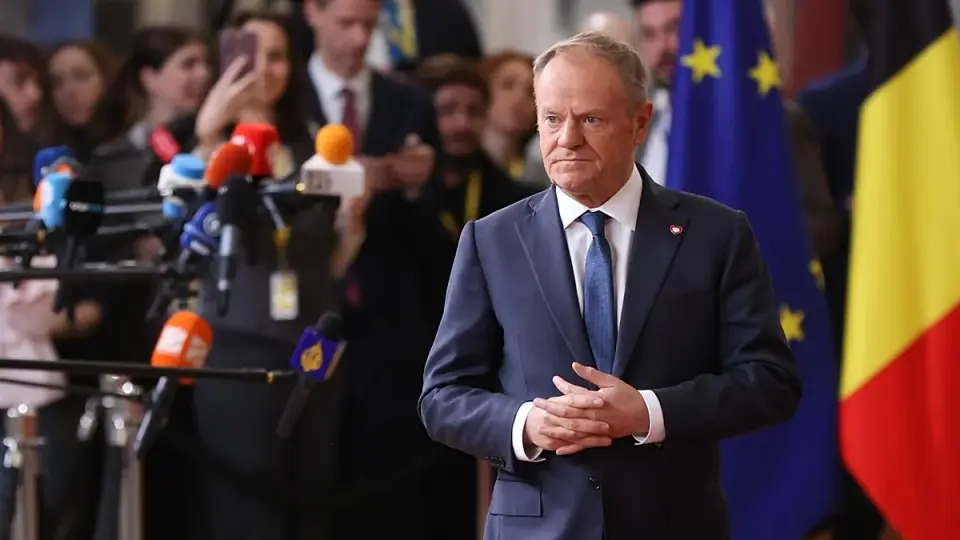
Poland faces a severe constitutional crisis after Prime Minister Donald Tusk’s government moved to suspend the leadership of the Constitutional Tribunal, sparking street protests and a direct confrontation with President Karol Nawrocki. While the government frames the action as a necessary restoration of the rule of law, critics label it an unconstitutional coup. The dispute has drawn international attention, with the European Commission supporting the parliamentary appointments, while the US and some European leaders urge restraint. Polish Catholic bishops have called for national reconciliation and prayer, warning that the deepening division threatens the stability of the state.
Key points
- On October 30, 2026, the Constitutional Tribunal website announced the suspension of President Bogdan Święczkowski and Vice President Bartłomiej Sochański for one month, a move ordered by newly appointed judge Anna Korwin-Piotrowska.
- President Karol Nawrocki cut short a diplomatic trip to Senegal to return to Warsaw, where he physically entered the Tribunal building amid police presence and protests, leading to the detention of three demonstrators.
- Prime Minister Donald Tusk defended the actions in a televised speech, stating that restoring the rule of law is a duty and that the government is acting in accordance with European court rulings and the Venice Commission.
- The crisis has triggered diplomatic fallout, including the resignation of three Polish ambassadors, including the permanent representative to the UN, Krzysztof Szczerski.
- Polish Catholic bishops, including Cardinal Konrad Krajewski and Archbishop Wojciech Polak, issued urgent appeals for peace, dialogue, and personal sacrifice, warning that the dispute is leading to a profound crisis of the state.
Background
This crisis stems from a long-standing judicial dispute that began in 2015 when the Law and Justice (PiS) party came to power. The conflict centers on the appointment of judges to the Constitutional Tribunal, with the current government seeking to install judges elected by parliament, while the presidency and the existing tribunal leadership have blocked their oaths. The dispute has been ongoing for over a decade, with the current escalation marking a significant intensification of the conflict.
How outlets are covering it
The perspectives on the crisis are sharply divided. The Tusk government and its supporters, including European Commissioner Michael McGrath and the Venice Commission, view the actions as a necessary and legal restoration of the rule of law, arguing that the previous PiS-led judiciary was compromised. In contrast, President Nawrocki, the Law and Justice party, and critics like Fox News and the Heritage Foundation’s Nile Gardner denounce the move as an unconstitutional coup and a 'Soviet-style' power grab. The US Ambassador Tom Rose urged restraint, emphasizing the importance of stability and democratic future for Poland. The Polish Catholic bishops, while not taking sides on the legal causes, called for reconciliation and warned against the deepening divisions, highlighting the social and moral crisis.
Why it matters
The crisis in Poland has significant implications for the rule of law and democratic stability in Europe. It highlights the ongoing tensions between national governments and supranational institutions like the European Commission and the Venice Commission. The international attention and diplomatic fallout, including ambassador resignations, underscore the seriousness of the situation. The crisis also reflects the broader challenges of restoring judicial independence and the rule of law in countries that have experienced significant political polarization and institutional conflicts. The response from religious leaders and the public protests indicate the deep social divisions and the potential for further instability if the crisis is not resolved through dialogue and legal means.
What to watch
The situation is expected to remain volatile in the short term, with potential for further protests and political confrontations. The outcome of the crisis will likely depend on the ability of the government and the presidency to find a legal and political resolution that respects the rule of law and the constitutional order. The international community, including the European Commission and the US, will likely continue to monitor the situation closely, potentially influencing the outcome through diplomatic pressure. The crisis may also have implications for upcoming parliamentary elections in Poland, as the battle over the rule of law could shape the political landscape and public opinion.
- 'An unprecedented situation': Warsaw wobbles with constitutional crisis Euronews.com
- Russia Senses Opportunity in Polish Political Turmoil The New York Times
- Poland’s fight over its constitutional court gets physical The Economist
- As Poland’s constitutional crisis spills into streets, bishops plead for reconciliation OSV News
- Poland's constitutional crisis deepens as Prime Minister Tusk faces accusations of power grab Fox News
Want the full story? Read the original reporting
Read on Euronews.com