Hungary’s prime minister Magyar kicks off his first foreign trip to ally Poland, signaling a push to deepen bilateral cooperation between the two nations on regional affairs, diplomacy, and shared strategic interests.
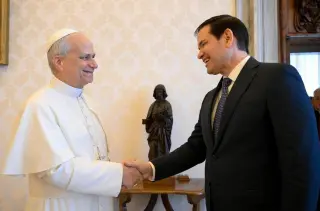
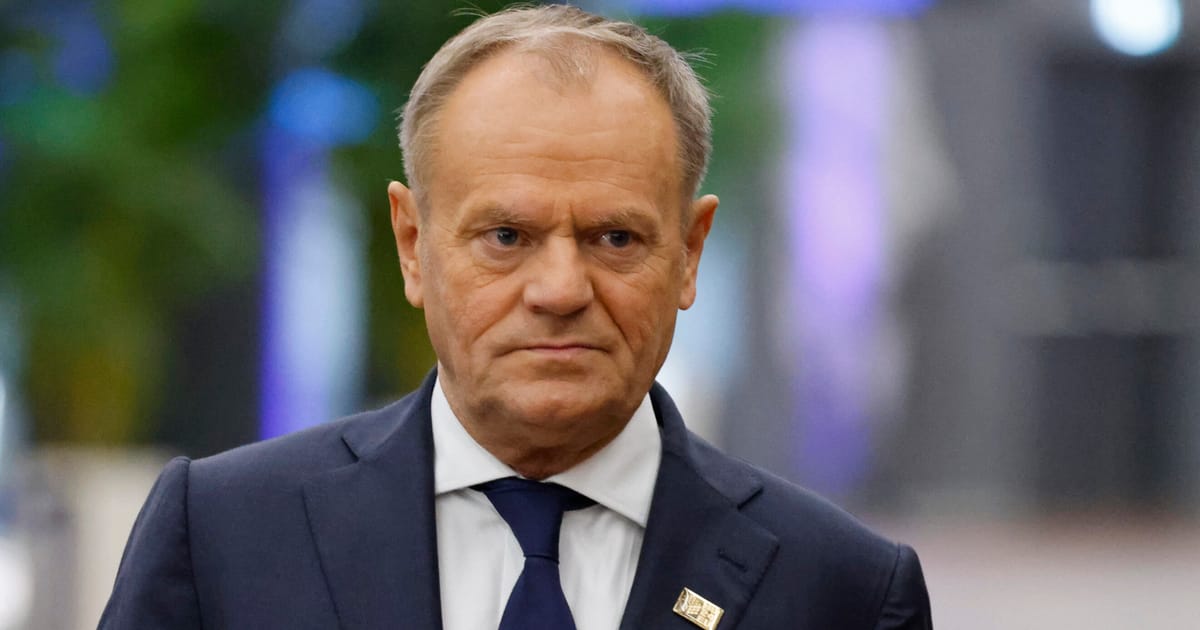
Vatican confirms Pope Leo XIV will host U.S. Secretary of State Marco Rubio on May 7 at the Apostolic Palace, with Rubio due to arrive around 11:15 a.m. and an audience planned for 11:30 a.m.; the pope will also meet Polish Prime Minister Donald Tusk that morning, continuing a line of exchanges that included Rubio’s 2025 meetings.
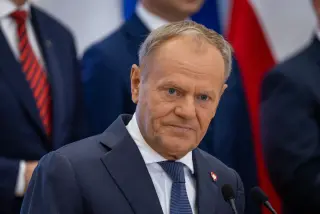
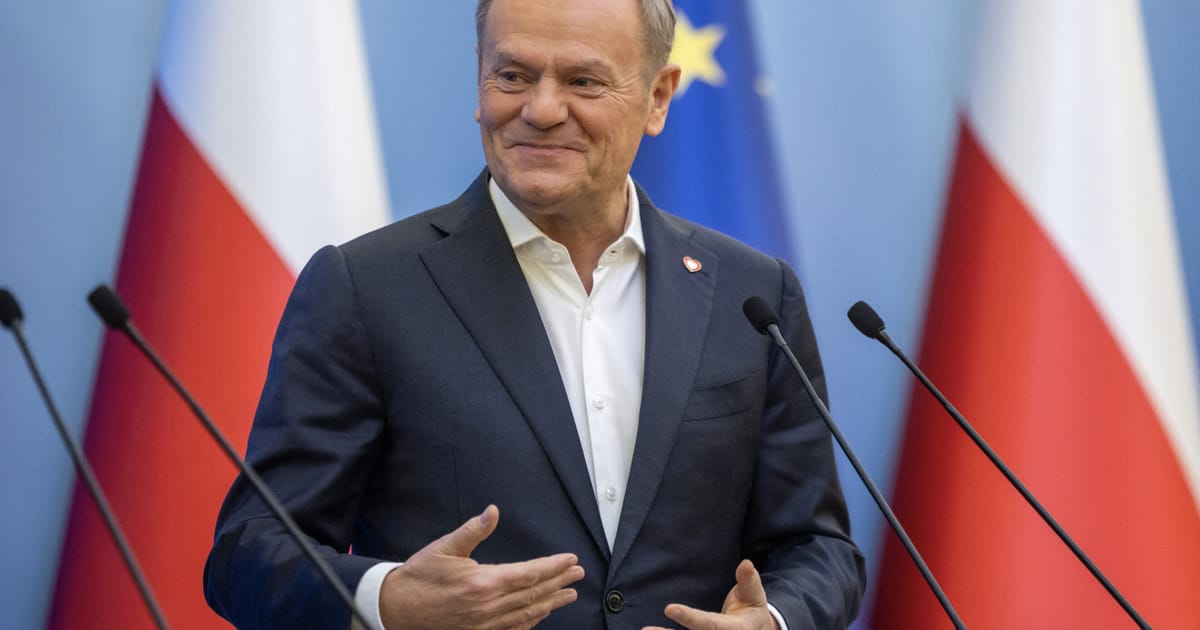
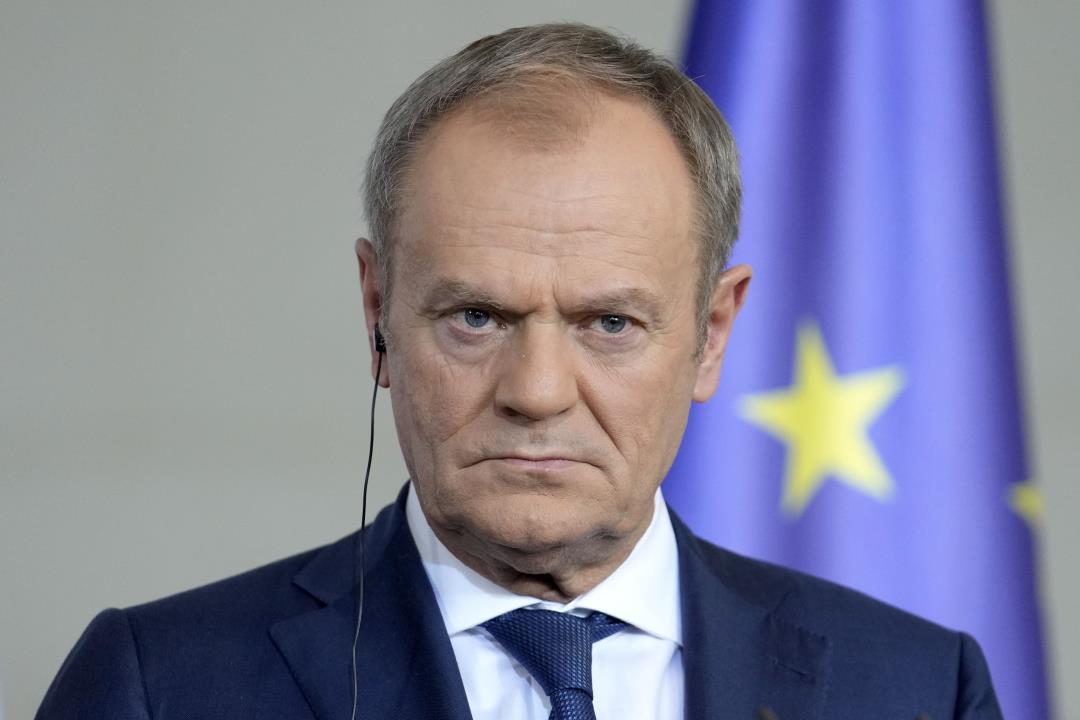
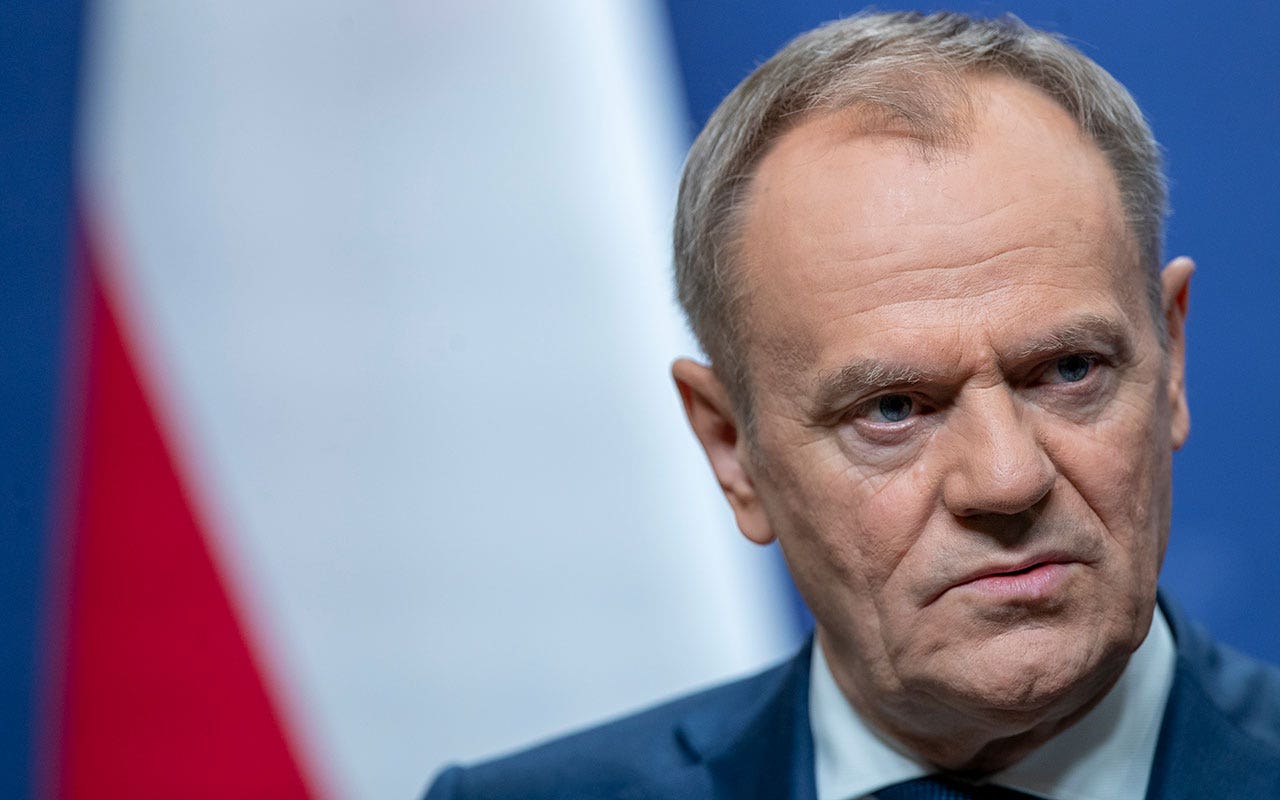
Poland's Prime Minister Donald Tusk told the Financial Times that Europe faces a defining question: whether the United States will honor NATO’s defense commitments, a concern underscored by Donald Trump’s past warnings about the alliance; he warned that Russia could strike, noted Poland’s role as NATO’s top defense spender building Europe’s largest land force, and criticized some allies’ complacency after Russian drones penetrated Polish airspace.
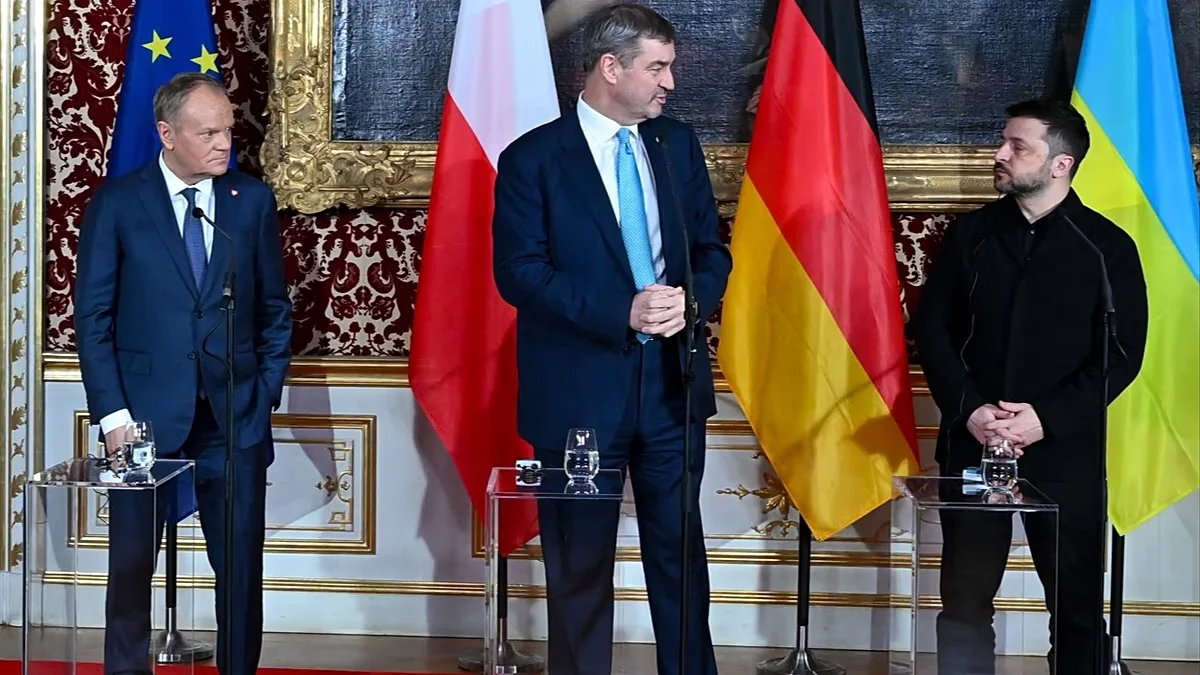
Poland's Prime Minister Donald Tusk told the Munich Security Conference that Europe and NATO must stay strong and united in support of Ukraine, arguing against West or NATO collapse narratives and emphasizing the value of Western democracy and freedoms with the call that 'we must not stop being good.'
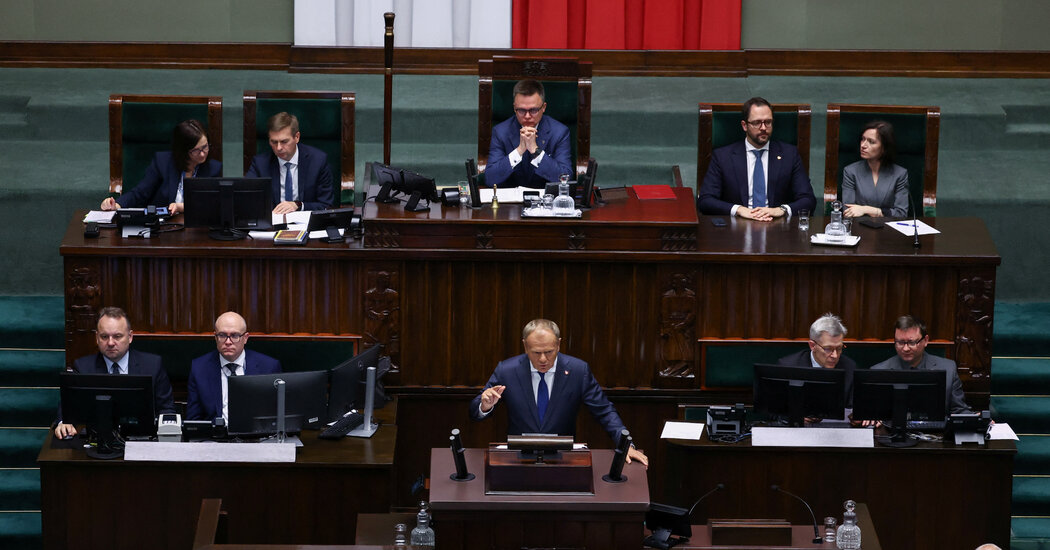
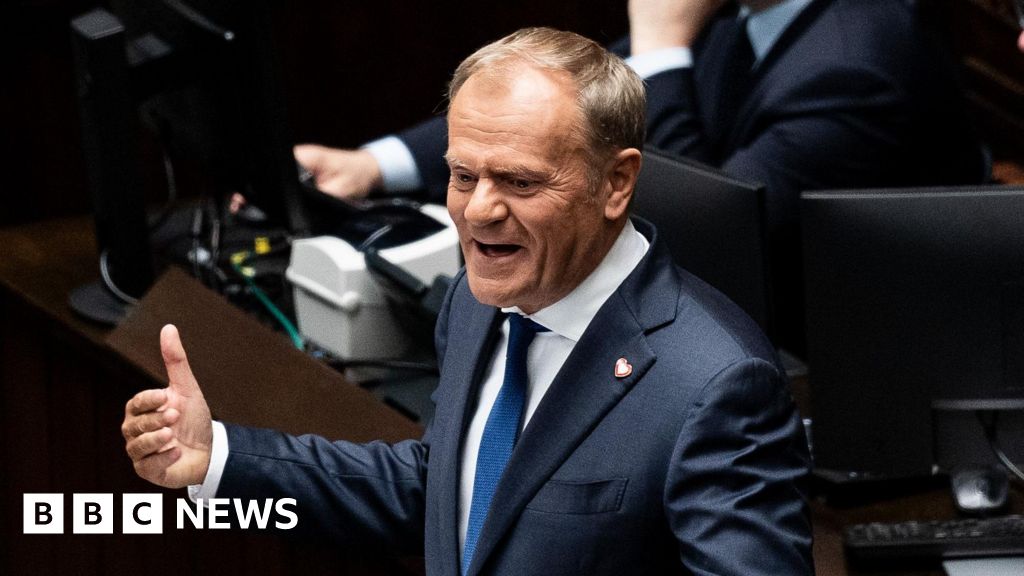
Poland's Prime Minister Donald Tusk's government won a confidence vote in Parliament, securing his position after a presidential election victory by nationalist candidate Karol Nawrocki, which posed political challenges. Tusk promised to limit immigration and emphasized his government's responsibilities despite the election results, marking a setback for the opposition Law and Justice party.
Polish Prime Minister Donald Tusk survived a confidence vote amid challenges from a nationalist president and coalition partners, facing difficulties in implementing reforms in a politically tense environment.
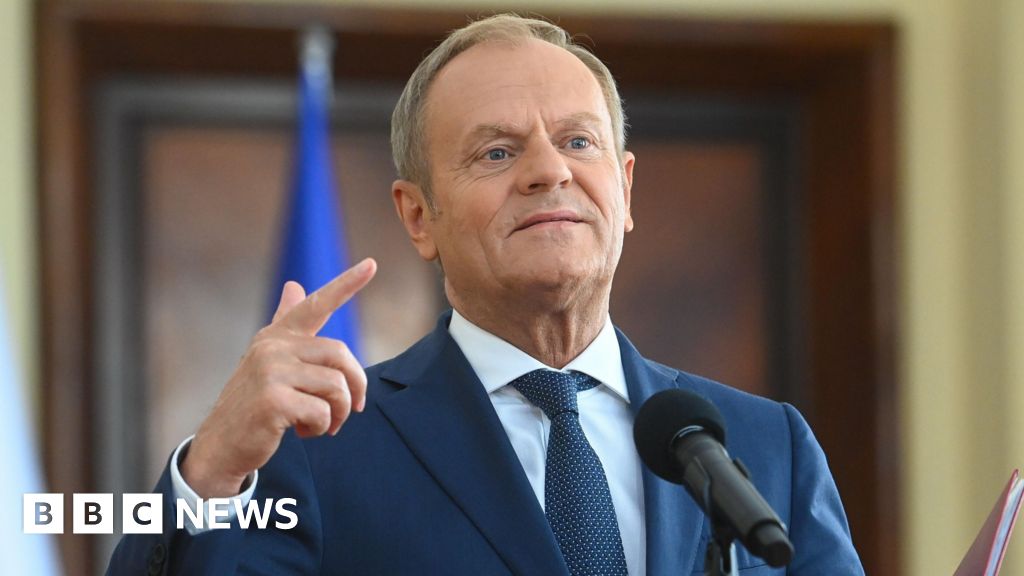
Polish Prime Minister Donald Tusk seeks a confidence vote to reaffirm his government amid challenges from opposition and presidential vetoes, with plans for a cabinet reshuffle and emphasis on Poland's strengthened position in Europe, despite ongoing political and judicial conflicts.
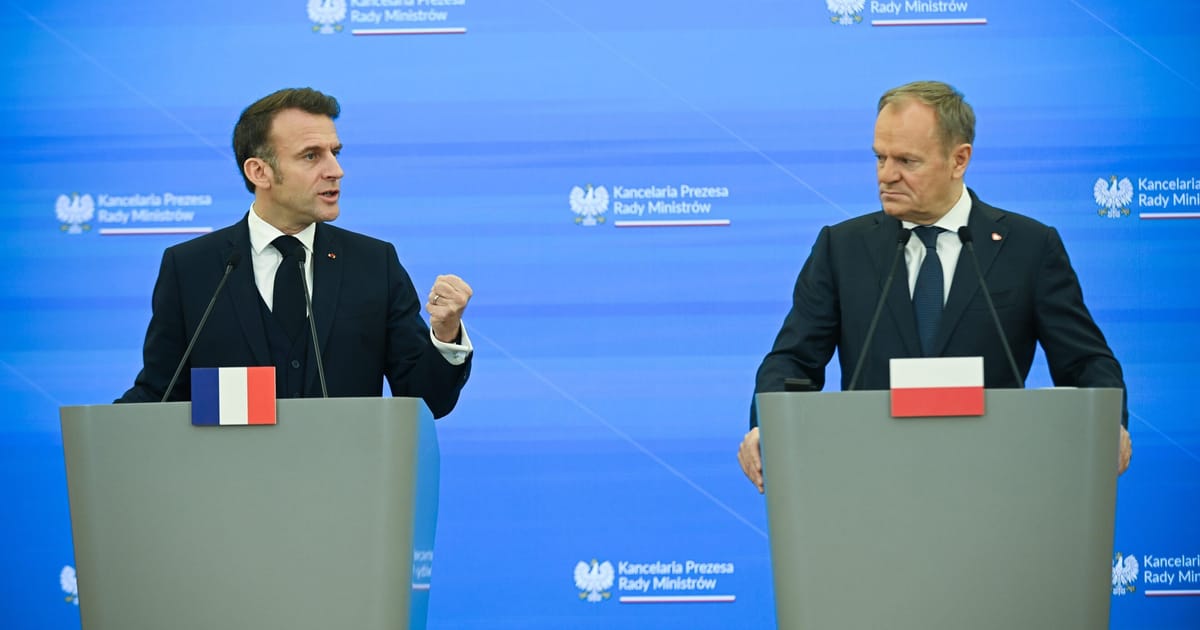
Poland's Donald Tusk has halted discussions on a potential peacekeeping force in Ukraine, while in France, far-right leader Marine Le Pen faces a strategic decision on whether to disrupt the political landscape or cooperate, with an eye on the 2027 presidential election. Meanwhile, France and Poland are set to discuss the deployment of foreign troops to Ukraine post-conflict, and French Socialist leaders are reaching out to President Macron as they navigate the formation of a new government following the ousting of Prime Minister Barnier.
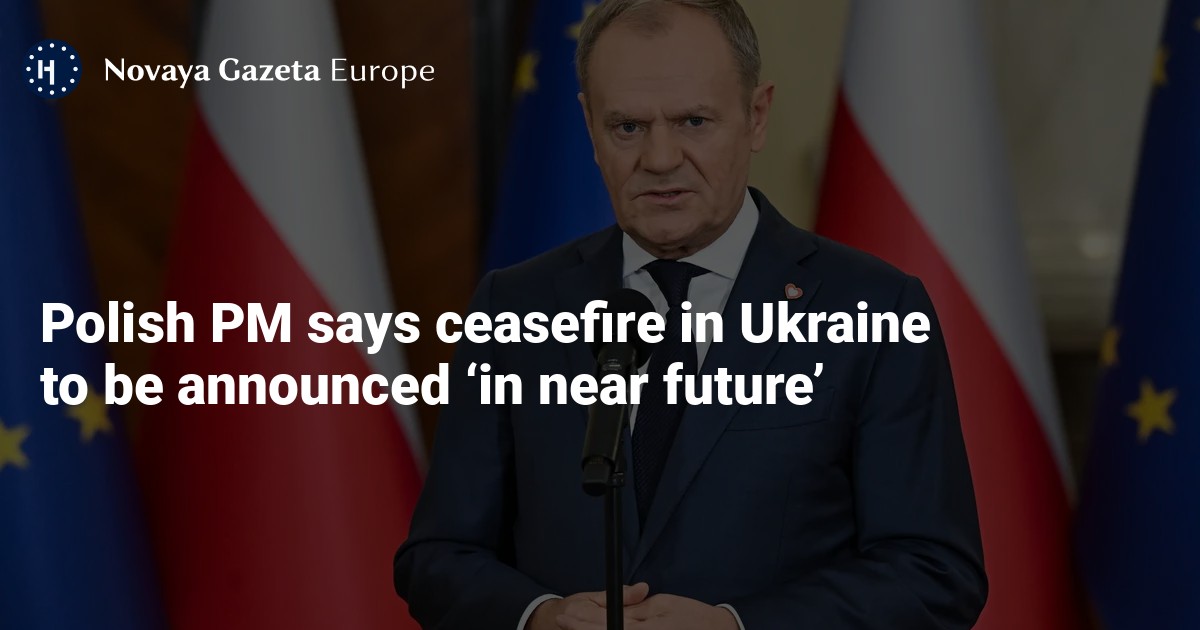
Polish Prime Minister Donald Tusk announced that a ceasefire in Ukraine is expected soon, with a plan being developed by US president-elect Donald Trump. The proposal may include security guarantees for Ukraine and a ceasefire date, potentially reducing US involvement in the region. Trump's campaign suggested Ukraine might have to cede Crimea and the Donbas to Russia, but his team distanced itself from these claims. The focus is on achieving peace rather than reclaiming occupied territories.
Polish Prime Minister Donald Tusk is set to meet with EU, UK, and NATO leaders to discuss the implications of Donald Trump's reelection on the Ukraine situation. Tusk plans to host meetings in Warsaw with French President Emmanuel Macron and NATO chief Mark Rutte, and will meet British Prime Minister Keir Starmer either in Warsaw or London. He also plans to meet Nordic and Baltic leaders in Stockholm, emphasizing the challenges posed by potential U.S.-Russia agreements on Ukraine that exclude Kyiv.
Poland's Prime Minister Donald Tusk has issued a stark warning ahead of the European elections, urging citizens to vote to protect against the threat of Russian aggression. Highlighting security concerns, Tusk's Civic Coalition emphasizes the need for a united EU stance against Moscow. The message resonates with many Poles, who are historically and geographically wary of Russia. Poland has reinforced its border security and is coordinating with Baltic states, while the opposition focuses on other issues. Despite mixed feelings about Ukraine among Polish farmers, the overarching theme is the persistent risk from Russia.
Poland's prime minister, Donald Tusk, warns that Europe is in a "prewar" era and emphasizes the need for increased defense spending, citing the ongoing Russia-Ukraine war and a recent incident where a Russian missile breached Polish airspace. Tusk cautions that any scenario is possible and states that Europe hasn't seen a situation like this since 1945, urging the continent to be prepared for potential conflicts with Russia.
Polish Prime Minister Donald Tusk warns of a "pre-war era" in Europe, emphasizing the real threat of war following recent strikes between Ukraine and Russia. Tusk's warning comes as Russia escalates attacks on Ukraine, with Ukrainian strikes hitting critical infrastructure in Russia. The situation remains tense as both countries continue to engage in sporadic attacks, posing a significant risk to wider European safety.
Polish Prime Minister Donald Tusk urged European nations to invest in defense, warning that the continent is not prepared for the current "prewar era" amid Russia's intensified attacks on Ukraine. Tusk called for urgent assistance for Ukraine and emphasized the need for more cooperation between Poland, Germany, and France, while also criticizing Russian President Vladimir Putin for attempting to link a terrorist attack in Moscow to Ukraine without evidence.