
Russian Strike on Aid Hub Kills 26 as US Sets Abu Dhabi Peace Talks
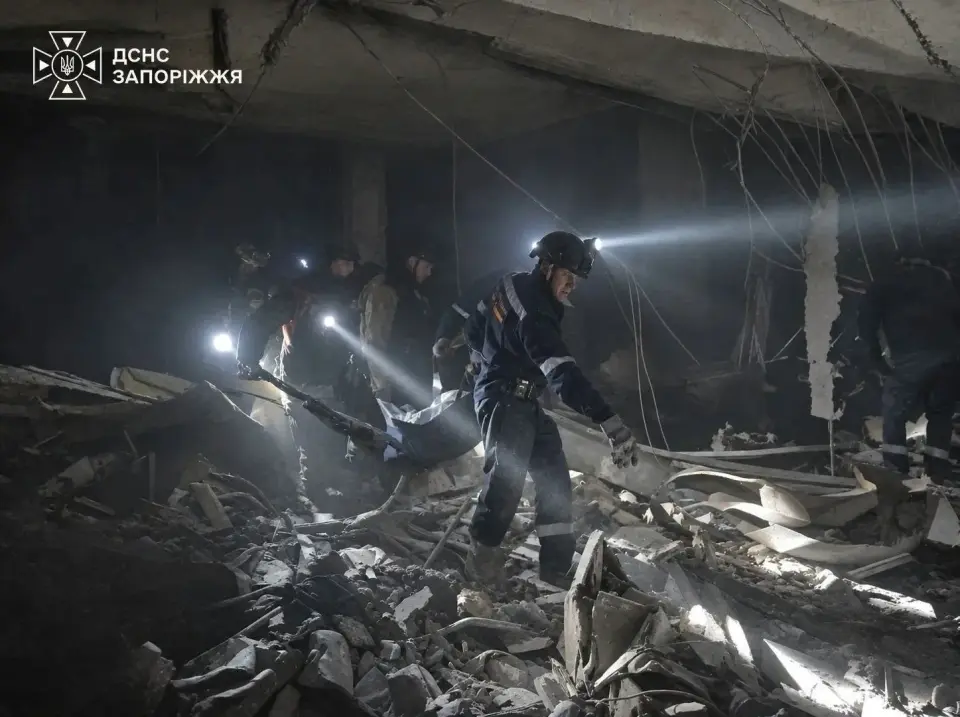
Russian forces bombed a humanitarian aid center in the Ukrainian village of Komyshuvakha, killing at least 26 people, including rescue workers and police officers. The attack occurred as the United States announced new peace talks for November 10 and 11 in Abu Dhabi. Ukrainian President Volodymyr Zelenskyy condemned the strike as a deliberate sabotage of de-escalation efforts, noting that residents gathered weekly for aid. While the death toll may rise, with 27 people still missing, the US special envoy Steve Witkoff confirmed that delegations from Ukraine, Russia, and the US will meet to discuss security and ending the war. The incident follows a recent ceasefire in Oleshky, which Zelenskyy argued Moscow ignored by continuing lethal attacks.
Key points
- At least 26 people were killed in a Russian airstrike on a school serving as an aid hub in Komyshuvakha, Zaporizhzhia region.
- The attack involved multiple aerial bombs, with a second strike hitting the shelter as people arrived, described by Zelenskyy as a 'vile terrorist strike.'
- US special envoy Steve Witkoff confirmed peace talks in Abu Dhabi for November 10-11, focusing on post-war security and de-escalation.
- Zelenskyy linked the attack to a failure to capitalize on a recent humanitarian ceasefire in Oleshky, brokered by US First Lady Melania Trump.
- Rescue operations were hindered by subsequent Russian drone attacks, and 27 people remain missing under the rubble.
Background
This incident occurs in the fifth year of the Russia-Ukraine war, following a deadly glide bomb strike on buses in Kramatorsk in October that killed 30 people. The current conflict has seen sporadic local ceasefires, such as the recent one in Oleshky, but no major breakthrough in peace negotiations has been achieved since talks were suspended in February. The US has been actively mediating, with previous attempts to broker evacuations and security discussions.
How outlets are covering it
All sources agree on the death toll of at least 26 and the location of the strike. Al Jazeera and The Guardian emphasize Zelenskyy’s argument that Russia deliberately targeted the aid hub to prevent de-escalation, contrasting it with the recent Oleshky ceasefire. The New York Times highlights the tactical detail of nine glide bombs, each carrying 3,000 pounds of explosives, underscoring the scale of the attack. BBC notes the initial discrepancy in death tolls, rising from 18 to 26, and highlights the ongoing rescue challenges due to drone attacks. The Guardian adds that Kyiv and European allies worry the US has increasingly sided with Moscow, adding a diplomatic dimension to the crisis. No source reports a Russian military response to the attack.
Why it matters
The strike underscores the fragility of any de-escalation efforts in the ongoing war, as civilian infrastructure remains a target despite recent humanitarian missions. The timing of the attack, just before scheduled peace talks, raises questions about Moscow’s willingness to engage in negotiations. It also highlights the continued risk to civilians in frontline areas and the challenges in securing safe zones for aid distribution.
What to watch
Peace talks are scheduled for November 10 and 11 in Abu Dhabi, where delegations will discuss post-war security and humanitarian measures. Rescue operations in Komyshuvakha will continue, though hindered by drone attacks. The US and European allies will likely pressure Russia to halt attacks on civilian infrastructure, while Ukraine may seek further international condemnation of the strike.
- Russian attack on Ukraine aid hub kills 26 as US announces new peace talks Al Jazeera
- Russian bombing kills 26 people at Ukraine aid centre, Kyiv says BBC
- Russian bombing of Ukrainian aid centre kills at least 26, Kyiv says The Guardian
- Russian Strike on Ukraine Humanitarian Hub Kills Dozens The New York Times
- Russia bombs aid center and shelter in southern Ukraine, killing 26, officials say AP News
Want the full story? Read the original reporting
Read on Al Jazeera