
Puerto Rico’s Water Crisis: 180,000 Residents Face 48-Hour Rationing Amid Historic Drought
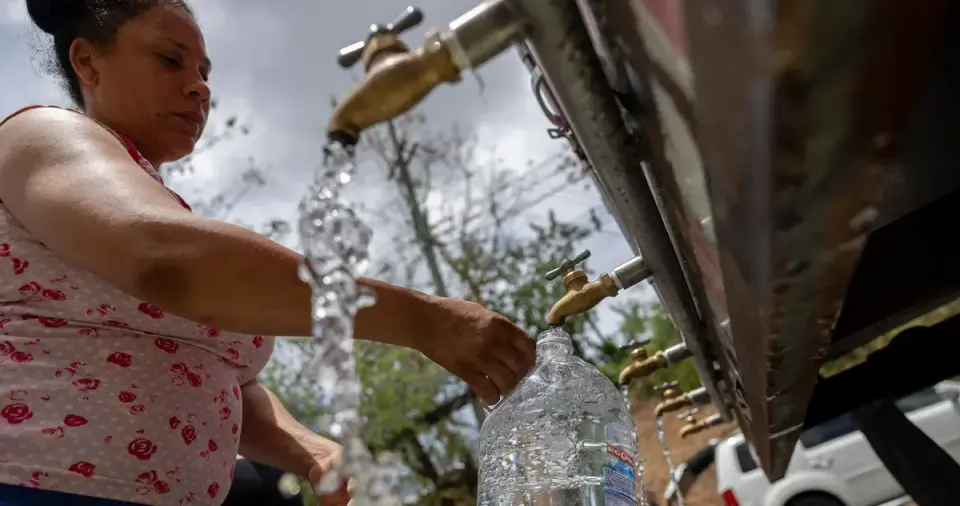
Puerto Rico is implementing rotating 48-hour water shutoffs for over 180,000 households in San Juan and six other municipalities due to a severe drought that has depleted the Carraízo reservoir. Governor Jenniffer González-Colón declared a state of emergency on July 31, citing record-low rainfall and aging infrastructure that loses 65% of produced water to leaks. FEMA has provided water trailers for up to 30 days, while residents rely on emergency tanker trucks and community cisterns. The crisis, exacerbated by the driest July on record and over 1,000 active wildfires, has prompted calls for federal emergency declarations and highlights systemic infrastructure failures.
Key points
- Rotating 48-hour water shutoffs affect 180,000 households in San Juan, Carolina, Juncos, Gurabo, Trujillo Alto, Canóvanas, and Loíza.
- The Carraízo reservoir is depleted due to the driest July on record and 68% of the island facing drought conditions.
- FEMA is providing water trailers for up to 30 days following a request from the Puerto Rican government.
- Approximately 65% of water produced is lost to leaks and aging pipes, according to the island’s water authority.
- Governor González-Colón declared a state of emergency on July 31 and activated an interagency support plan for municipalities.
- Residents are relying on tanker trucks, community cisterns, and purchased water, with some going nearly two weeks without basic hygiene access.
Background
Puerto Rico has faced water rationing before, including in 2015 and 2020, but the current crisis is more severe due to a historic drought and infrastructure decay. The 2017 Hurricane Maria disaster highlighted the island’s vulnerability to climate-related infrastructure failures. Recent archive coverage from August 2026 noted that while rationing began on August 1, many residents had already experienced shortages for months, and officials warned the crisis could persist without significant infrastructure investment.
How outlets are covering it
The Cut emphasizes the human impact, describing residents’ struggles with basic hygiene and the 'crisis of leadership' felt by locals. NBC Connecticut highlights the diaspora’s response, with Connecticut’s Puerto Rican community organizing aid and criticizing the systemic nature of the problem. BBC focuses on the technical causes, citing the depleted Carraízo reservoir, sediment buildup, and the 65% water loss rate, while noting confusion among residents about rationing schedules. ABC News details the federal response, including FEMA’s water trailers and the governor’s interagency coordination, but notes that Puerto Rico’s Resident Commissioner has urged President Trump to declare a federal emergency, a step not yet confirmed. All sources agree on the severity of the drought but differ on the emphasis: The Cut and NBC focus on social and political failures, while BBC and ABC highlight logistical and federal responses.
Why it matters
The crisis exposes the fragility of Puerto Rico’s water infrastructure and the long-term impacts of climate change on U.S. territories. It raises questions about federal responsibility, as the island relies on the U.S. for disaster relief but faces bureaucratic delays. The 65% water loss rate indicates a systemic failure that requires significant investment, while the lack of a clear end date for rationing creates ongoing uncertainty for residents. The crisis also impacts tourism, a vital economic sector, as the Puerto Rico Tourism Company works to maintain services despite water shortages.
What to watch
FEMA’s water trailers will be distributed for up to 30 days, but the end of rationing is uncertain. The governor’s interagency support plan aims to coordinate local and federal resources, but residents remain uncertain about when normal water service will resume. The Puerto Rican government is monitoring weather patterns, including Saharan dust clouds, for potential rain. If the drought persists, further federal emergency declarations may be sought, and infrastructure repairs will likely require long-term federal funding.
- ‘I’m Tired of Being Resilient’ The Cut
- Connecticut's Puerto Rican community spreads awareness amid growing water crisis on the island NBC Connecticut
- Puerto Rico rations water supplies due to intense drought BBC
- FEMA says it's providing water trailers to Puerto Rico amid water crisis ABC News - Breaking News, Latest News and Videos
- Congress Has a Responsibility to Reverse the Water Crisis It Caused in Puerto Rico In These Times
Want the full story? Read the original reporting
Read on The Cut