
Ukraine Drone Strikes Fail to Halt Russia's Wartime Vote
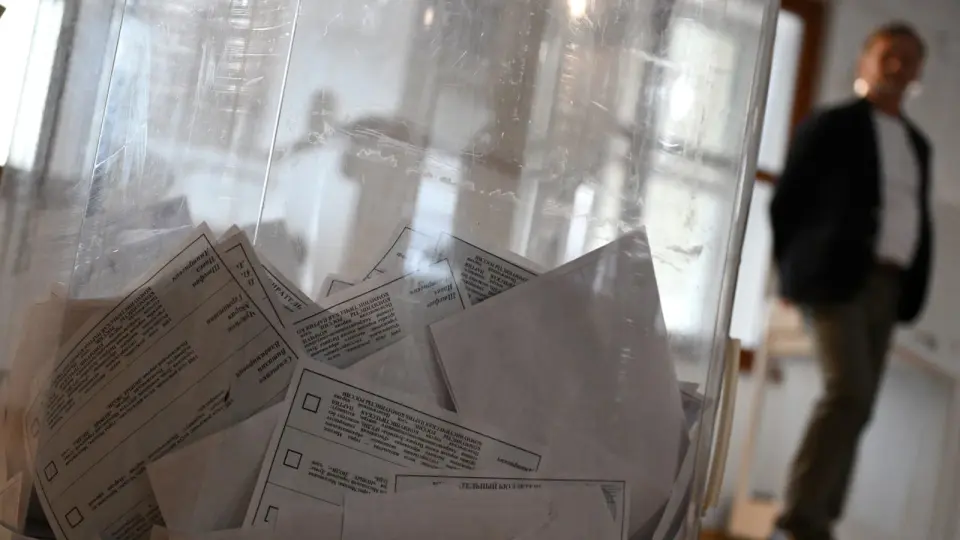
Russia's ruling United Russia party is projected to win 57.5% of the vote in the State Duma election, a result the Kremlin frames as support for the war in Ukraine. Despite a massive Ukrainian drone attack on Moscow and other regions that killed five people and damaged infrastructure, officials claim the election proceeded smoothly. Turnout reached nearly 57%, with critics noting the vote lacks genuine opposition due to strict censorship and the exclusion of anti-war candidates.
Key points
- United Russia is leading with 57.5% of the vote, with other pro-Kremlin parties trailing by a wide margin but expected to win seats.
- Ukraine launched hundreds of drones and cruise missiles at Moscow and other regions, killing five people and damaging a major oil refinery on the final day of voting.
- Russian officials accused Ukraine of attempting to disrupt the election, while the Kremlin emphasized high voter turnout as a sign of public unity.
- The anti-war Yabloko party was barred from the ballot, and its leaders faced prison sentences for comments on the conflict, limiting genuine political dissent.
- Cyberattacks targeted voting systems, but election authorities reported the process remained mostly smooth despite the external pressures.
Background
This election follows a period of economic strain and tightening controls, as noted in previous coverage. The Kremlin has framed the vote as a test of support for the war, which is now in its fifth year. Earlier analyses highlighted concerns about coercion and the lack of meaningful opposition, with experts suggesting that turnout and margins might reveal underlying public discontent despite the controlled environment.
Why it matters
The election outcome and the accompanying security incidents highlight the Kremlin's strategy to link domestic political support with the ongoing war in Ukraine. The ability to hold elections despite a major drone attack and cyberattacks underscores the regime's resilience and its narrative of national unity, while the exclusion of anti-war voices and the presence of economic pressures suggest underlying tensions that could influence future political stability.
What to watch
The Kremlin is expected to use the election results to justify continued support for the war and to suppress dissent. The NEST think tank suggests that economic strain might shift votes toward permitted opposition parties in the future. The conflict in Ukraine is likely to continue, with Russia vowing to intensify strikes in response to the drone attack.
Want the full story? Read the original reporting
Read on CNBC