
Reporters’ Phones Seized on Air Force One Departure from China
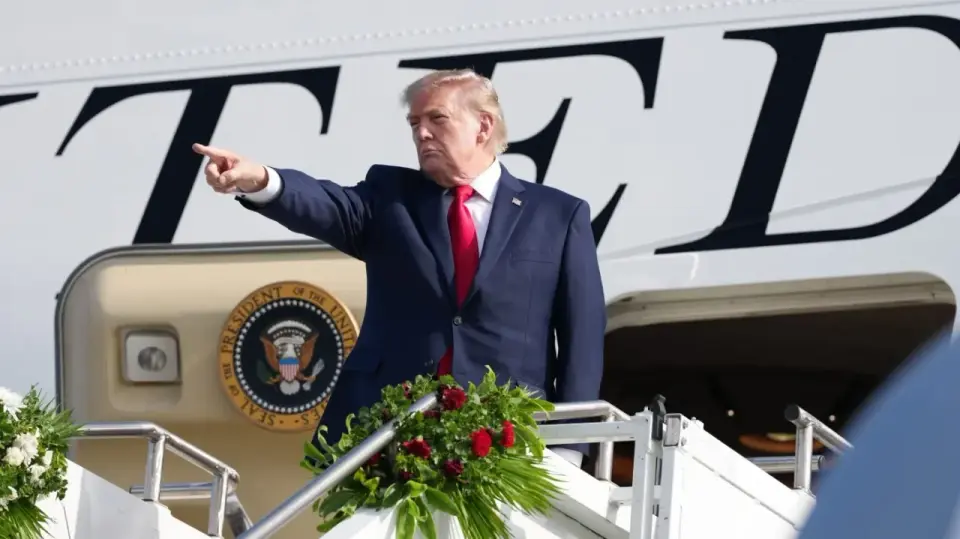
White House officials confiscated cellphones from press pool reporters as Air Force One departed Shenzhen, China, on Thursday evening. The unusual security measure, attributed to unspecified safety concerns, sparked speculation about an unscheduled flight detour, potentially to North Korea. The incident follows a trilateral summit between President Trump, Chinese President Xi Jinping, and Russian President Vladimir Putin, where the leaders issued a joint declaration on nuclear risks and international court jurisdiction.
Key points
- U.S. officials collected reporters’ devices, including work and personal phones, before takeoff from Shenzhen Bao’an International Airport on November 19, 2026.
- A pool report stated the seizure was for 'security reasons,' though the White House did not provide a specific public explanation.
- The action is highly unusual for non-war zone travel, contrasting with May 2026 when only items given by Chinese officials were confiscated.
- Speculation arose regarding a potential unscheduled stop in North Korea or a flight restriction over Alaska, though no official confirmation was provided.
- The seizure occurred after a trilateral meeting where Trump, Xi, and Putin issued a four-point declaration addressing nuclear arms reduction and the International Criminal Court.
Background
This incident occurs amid ongoing legal disputes over press access, including lawsuits by CNN, MS NOW, and Politico against the White House for viewpoint discrimination. In May 2026, reporters traveling with the president to Beijing reported confiscation of press credentials and burner phones provided by Chinese officials, but not their personal devices. The current seizure marks a significant escalation in security protocols for press pool members.
How outlets are covering it
The Hill and The Independent reported the phone seizure as a standard security measure without immediate explanation, noting the White House did not respond to comment requests. The New Republic framed the action as a red flag, linking it to broader First Amendment concerns and previous White House media bans. The New York Post emphasized speculation about a potential North Korea detour, noting that while Secretary of State Marco Rubio said the president was 'prepared' to meet Kim Jong Un, senior officials had previously stated there were 'no plans at all for engagement with North Korea.' Fox News correspondent Jacqui Heinrich highlighted the contrast with the May visit, where phones were not seized.
Why it matters
The confiscation of press pool devices raises significant questions about press freedom and transparency during high-profile international summits. It underscores the tension between national security protocols and First Amendment rights, particularly in the context of recent White House media exclusions and legal challenges. The incident also highlights the unpredictable nature of presidential travel logistics and the potential for undisclosed diplomatic maneuvers, such as unscheduled stops, which can impact global relations and public trust in government transparency.
What to watch
The White House is expected to provide further clarification on the security measures taken during the Air Force One flight. Legal experts may analyze the incident in the context of ongoing press access lawsuits. Public attention will likely focus on whether the flight route included any unscheduled stops, particularly in North Korea, and how the administration justifies the seizure of personal devices in non-war zone contexts.
- White House takes phones from reporters traveling from China with president The Hill
- Trump Forces Reporters to Go Dark on Air Force One, Raising Red Flags The New Republic
- Trump China visit live updates: Reporter phones ‘taken away’ as Air Force One leaves China New York Post
- White House Takes Press Phones Upon Departure From China Summit Bloomberg.com
- White House pool have phones taken away on return from China as speculation mounts over unscheduled stop The Independent
Want the full story? Read the original reporting
Read on The Hill