
Rubio dismisses Iran deal prospects as Trump weighs strikes after midterm losses
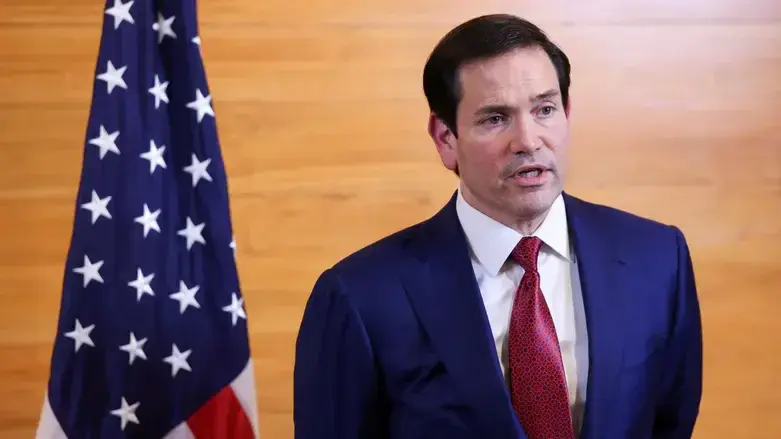
US Secretary of State Marco Rubio stated that nuclear negotiations with Iran are not near a breakthrough, labeling Tehran's demands as 'outrageous' and 'unrealistic.' President Donald Trump indicated that renewed military strikes are 'highly unlikely' if a strong agreement is reached, though he confirmed the US has identified 38 bridges for potential targeting. These remarks follow Republican losses in the midterm elections, which Trump attributed to the Iran war and rising gas prices, while Qatar continues to mediate a potential two-day ceasefire proposal.
Key points
- Rubio reported no significant progress in talks, criticizing Iranian demands as unrealistic.
- Trump stated that further strikes are unlikely if Iran signs a strong agreement and reopens the Strait of Hormuz.
- The US has identified 38 Iranian bridges as potential targets but hesitates due to long-term reconstruction costs.
- Qatar is mediating a two-day proposal involving the lifting of blockades and IAEA inspections.
- Trump blamed the Iran war and energy costs for the Republican midterm election losses.
Background
The US and Iran have been engaged in an eight-month conflict involving intermittent strikes and a naval blockade. Previous diplomatic efforts stalled in October when Iran demanded the lifting of sanctions and blockades before resuming talks. The current situation follows the Republican party's loss of congressional control in the midterms, which many analysts linked to the economic impact of the war.
How outlets are covering it
Rubio and Trump emphasized the necessity of the military campaign to prevent a nuclear Iran, with Trump calling it a historic decision. Conversely, Vice President JD Vance and Democratic critics argued the war was unpopular and contributed to the GOP's electoral defeat. Fox News framed the situation as a chance to 'finish the job' against the regime, while AP News highlighted the internal administration tension between Rubio and Vance regarding the war's political cost. Iranian officials, including Foreign Minister Abbas Araghchi, accused Israel of dragging the US into 'forever wars' and claimed the US was politically weakened by the midterms.
Why it matters
The outcome of these negotiations determines whether the conflict escalates into a full-scale war or transitions to a diplomatic resolution. The US capability to strike critical infrastructure, combined with the economic pressure from the blockade, creates a high-stakes environment where a failed diplomatic track could lead to significant regional instability and global oil price spikes.
What to watch
Trump is scheduled to meet with Qatari Prime Minister Sheikh Mohammed bin Abdulrahman Al Thani on Monday to discuss the mediation efforts. The US is monitoring the situation for any signs of progress, while Iran awaits a response to its proposal. If talks fail, the US has indicated it is prepared to resume strikes, though Trump expressed a preference for a diplomatic 'strong agreement.'
- Rubio: Iran's demands outrageous, nuclear deal not close Israel National News
- Trump ‘holds all the cards’ in war against Iran’s regime, White House says Fox News
- Trump’s Clashing Advisers Press Him to Make Iran War Decision WSJ
- Rubio says Trump's war against Iran not 'necessarily popular' but needed to stop a nuclear threat AP News
- Live - Rubio casts doubt on Iran diplomacy, says Tehran's demands unrealistic Iran International
Want the full story? Read the original reporting
Read on Israel National News