
Russia Supreme Court finalizes Yabloko ban, jails anti-war deputy leader for 11 years
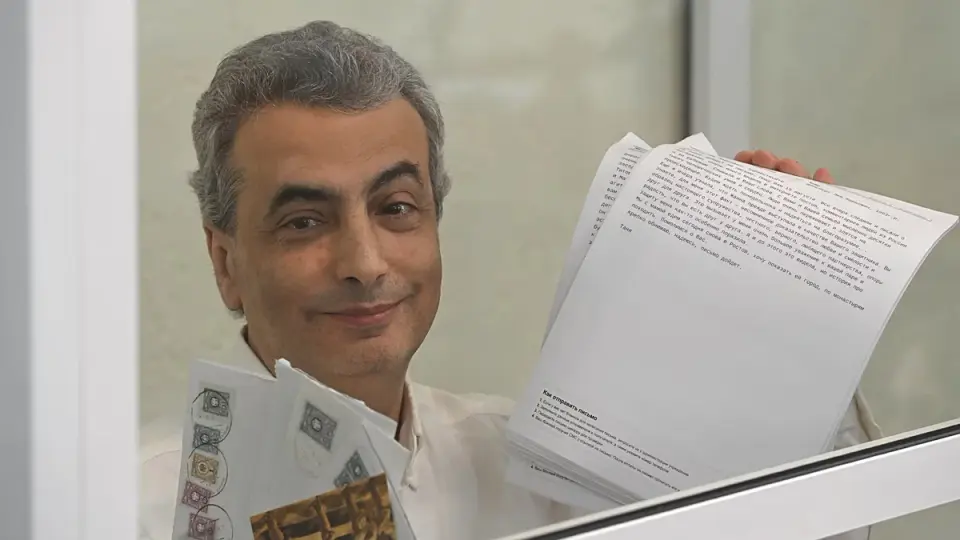
Russia's Supreme Court upheld the ban on the Yabloko party from September's State Duma elections, removing the country's only registered anti-war opposition group from the ballot. Simultaneously, a Pskov court sentenced Yabloko deputy chair Lev Shlosberg to 11 years and one month in a penal colony for 'discrediting' the military. The rulings follow a petition by the pro-Kremlin Rodina party and coincide with police detentions of supporters outside the Supreme Court. Yabloko leadership described the proceedings as a 'mockery' and a result of their peace stance, while international rights groups condemned the sentence as retaliation for free speech.
Key points
- The Supreme Court rejected Yabloko's appeal, confirming its exclusion from the September parliamentary elections.
- Lev Shlosberg was sentenced to 11 years and one month in a general-regime penal colony and banned from administering websites for six years.
- Shlosberg was convicted under laws regarding 'false information about the army' and 'discrediting' the military for remarks made in 2022 and 2025.
- The election ban was initiated by a lawsuit from the ultranationalist Rodina party, which alleged Yabloko violated campaign rules and sought to undermine the state.
- Dozens of supporters and journalists were detained by police outside the Supreme Court building during the ruling.
- Yabloko chair Nikolai Rybakov stated the party was removed because it stands for peace and freedom, contrasting with the pro-war stance of the ruling party.
Background
Yabloko, founded in 1993, is Russia's oldest continuously functioning liberal opposition party. It had previously maintained a presence in the political system by avoiding radical activism, allowing the Kremlin to maintain a facade of democratic plurality. However, its recent shift to open anti-war rhetoric, including a 43-word manifesto calling for a ceasefire, has led to its exclusion. The party had been a member of the Alliance of Liberals and Democrats for Europe until 2025. This crackdown follows a broader trend of suppressing dissent, including the designation of Shlosberg as a 'foreign agent' in 2023 and his addition to the 'extremists' register in December 2025.
How outlets are covering it
Euronews and Al Jazeera report the factual outcomes of the court rulings, emphasizing the procedural aspects and the immediate consequences for Yabloko and Shlosberg. Euronews highlights the specific legal charges and the party's manifesto, while Al Jazeera focuses on the erosion of democracy and the silencing of opposition. The Washington Post offers a critical analysis, arguing that the ban reveals the Kremlin's fear of Yabloko's growing popularity among young Russians and the broader opposition coalition. The Post suggests that the regime's attempt to control the narrative through rigged elections has failed to mask the reality of widespread anti-war sentiment, contrasting this with the Kremlin's claims of national unity. All sources agree on the core facts but differ in their interpretation of the political significance, with the Post framing the event as a moment of self-exposure for the authoritarian regime.
Why it matters
The removal of Yabloko eliminates the only registered political party in Russia that openly opposes the war in Ukraine, further consolidating the Kremlin's control over the political landscape. The sentencing of Lev Shlosberg to over a decade in prison serves as a severe warning to other potential dissenters, illustrating the harsh penalties for anti-war speech. This crackdown undermines the legitimacy of the upcoming September elections and signals a deepening of authoritarian repression, potentially isolating Russia further from international norms and democratic standards.
What to watch
Yabloko has indicated it will seek a supervisory review of the Supreme Court's decision, though the likelihood of reversal is low given the current political climate. Lev Shlosberg is expected to begin serving his sentence in a general-regime penal colony. The absence of Yabloko from the ballot may lead to increased underground or informal opposition activities, as well as continued international condemnation of Russia's judicial and electoral practices. The Kremlin will likely proceed with the September elections, claiming victory for pro-war parties, while the opposition may continue to mobilize support through non-traditional channels.
- Russia upholds Yabloko party's election ban and jails its deputy chair Euronews.com
- Barred From Ballot, a Party Becomes a Vessel for Russians’ Discontent The New York Times
- Russia maintains election ban on opposition Yabloko, jails deputy head Al Jazeera
- Opinion | Putin just showed the world how afraid he is of his own people The Washington Post
- A liberal party is barred in Russia for implicitly opposing the war The Economist
Want the full story? Read the original reporting
Read on Euronews.com