
Russia’s 2026 Duma Vote: United Russia’s Victory Is Certain, but Turnout and Coercion Will Reveal the True State of Public Support
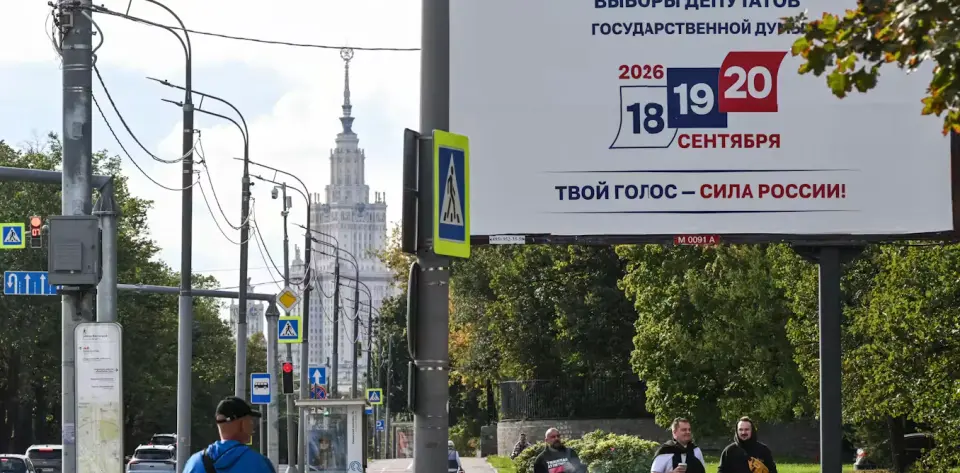
Russia’s parliamentary elections are scheduled for September 18-20, 2026. Vladimir Putin’s United Russia party is expected to win decisively, but the vote margin and turnout will indicate the level of public support for the government and the war in Ukraine. The Kremlin is using coercive tactics and controlling the ballot to ensure a two-thirds majority, while opposition parties have been eliminated or suppressed.
Key points
- United Russia is expected to win the 2026 Duma elections, but the vote margin and turnout will reveal the true level of public support for the government and the war in Ukraine.
- The Kremlin is using coercive tactics, controlling the ballot, and suppressing opposition to ensure a two-thirds majority for United Russia.
- The Yabloko party, the only anti-war party initially approved to compete, was removed from the ballot, and its second-in-command was sentenced to 11 years in jail.
- The Anti-Corruption Foundation, led by Alexei Navalny, is planning to use a modified version of the Smart Vote app to enable protest voting, while some voters may write in 'Yabloko' or spoil their ballots to express opposition.
Background
The 2026 Duma elections are taking place amid the ongoing war with Ukraine, an energy crisis, and rising inflation. The Kremlin has previously used the elections to bolster support for the war and frame the outcome as a foregone conclusion for United Russia. The 2026 elections are expected to be a show of unity and a war-focused rally, with the Kremlin discouraging anti-war voices.
Why it matters
The 2026 Duma elections are a critical indicator of public support for the government and the war in Ukraine. The vote margin and turnout will reveal the level of public discontent and the extent to which the Kremlin is using coercive tactics to maintain its power. The elimination of opposition parties and the suppression of anti-war voices will also have significant implications for Russia's democratic future.
What to watch
The 2026 Duma elections will take place on September 18-20, 2026. The Kremlin is expected to use coercive tactics and control the ballot to ensure a two-thirds majority for United Russia. The Anti-Corruption Foundation is planning to use a modified version of the Smart Vote app to enable protest voting, while some voters may write in 'Yabloko' or spoil their ballots to express opposition.
- Putin’s United Russia will win – but vote tally, turnout and level of coercion will tell the real story of Russia’s wartime elections The Conversation
- Russian Offensive Campaign Assessment, September 16, 2026 Institute for the Study of War
- Russia’s Election Result Won’t Be a Shock. What Comes Next Could Be. The New York Times
- Meet the anti-war candidate risking plenty to challenge Russia's ruling elite Reuters
- Russia’s sham election is descending into farce The Economist
Want the full story? Read the original reporting
Read on The Conversation