
Sánchez Calls November 29 Snap Election After Housing Decree Defeat
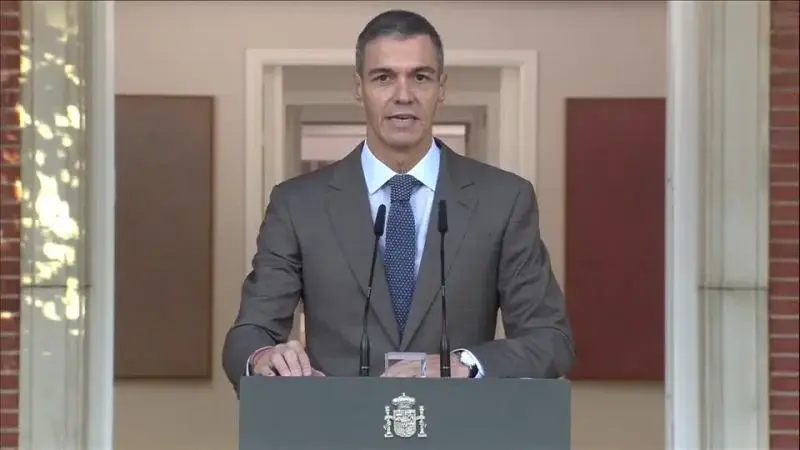
Spanish Prime Minister Pedro Sánchez has called a snap election for November 29, 2026, following the parliamentary rejection of emergency housing measures. The decision comes after nationwide protests triggered by the eviction of 87-year-old Maricarmen Abascal. While Sánchez seeks a broader progressive majority to pass reforms, polls favor the conservative opposition, and analysts view the move as a high-risk gamble to mobilize left-wing voters against a backdrop of corruption scandals and economic concerns.
Key points
- Sánchez announced the early vote on Monday, bringing it forward from the scheduled July 2027 date.
- The trigger was the defeat of two decree laws aimed at protecting tenants, including eviction suspensions until 2030.
- Protests erupted after the eviction of Maricarmen Abascal, whose rent was raised from €500 to €2,650 due to a legal glitch.
- Sánchez’s minority government lacks a parliamentary majority, making reform passage difficult without broader support.
- Polls suggest the conservative People’s Party is likely to win the most seats, potentially forming a coalition with the far-right Vox party.
Background
Spain’s housing crisis has intensified since the September eviction of Maricarmen Abascal, an 87-year-old woman removed from her Madrid home after a rent hike. This incident sparked widespread protests and pressure for legislative change. Sánchez’s government, which has faced corruption scandals involving his wife and former allies, has struggled to pass budgets or reforms due to its minority status. Previous coverage highlighted the rejection of emergency decrees in early October, which failed after the Catalan party Junts withdrew support, leading to speculation about an early vote.
How outlets are covering it
CNN and BBC focus on the domestic political fallout, emphasizing the housing crisis and the failure of Sánchez’s coalition to pass emergency measures. BBC highlights the specific legal glitch that raised Abascal’s rent and the subsequent public outcry. CNBC broadens the scope, noting that while housing is the immediate trigger, the election also raises questions about Spain’s foreign policy stance, particularly regarding NATO spending and relations with China. CNBC analysts suggest Sánchez is using housing to rally center-left voters, whereas Teneo analysts warn that the government could be blamed for failing to address the crisis. All sources agree that the conservative opposition is favored in polls, but they differ on the likelihood of a stable right-wing government forming without the far-right Vox party.
Why it matters
The snap election determines the future direction of Spain’s housing policy and its role in European geopolitics. A change in government could alter Spain’s stance on NATO spending and trade relations with China, impacting broader EU dynamics. The outcome will also test whether Sánchez can mobilize left-wing voters despite corruption scandals and a fragmented coalition, or if the conservative opposition can consolidate power to address cost-of-living and immigration concerns.
What to watch
Campaigning will focus on housing affordability, immigration, and economic management. Polls indicate the People’s Party is likely to win the most seats, but forming a government may require support from the far-right Vox party. Sánchez’s ability to rally center-left voters will be crucial in determining whether the left-wing coalition retains power or if a right-of-center government takes over, potentially shifting Spain’s foreign policy stance.
- Spain snap election: PM Sanchez calls November election amid growing housing protests CNN
- Spain's Prime Minister Pedro Sánchez calls early election BBC
- Spanish PM Sanchez gambles on November 29 snap election to end parliament deadlock Reuters
- Pedro Sánchez gambles on a snap election—and populist policies economist.com
- Trump's nemesis in Europe: Why Spain's Sanchez is calling a snap election CNBC
Want the full story? Read the original reporting
Read on CNN