
Sánchez Weighs Snap Election After Housing Decrees Fail in Parliament
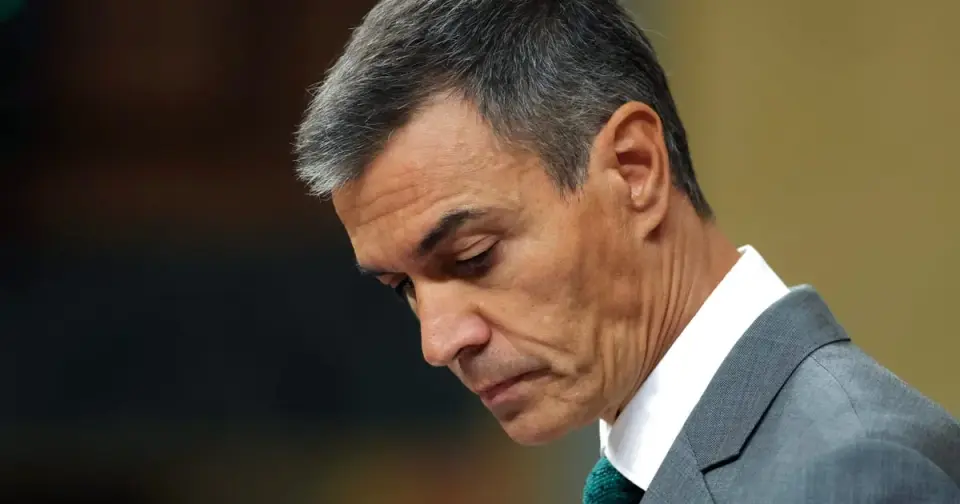
Spanish Prime Minister Pedro Sánchez is considering a snap election as early as November 29 after his government’s emergency housing decrees were rejected in parliament. The defeat, triggered by the withdrawal of support from the Catalan party Junts, has intensified nationwide protests and political pressure. While the opposition argues that regulation stifles supply, the government frames the vote as a moral failing of the right-wing parties. Sánchez’s minority government faces a critical decision on whether to dissolve parliament to capitalize on public discontent over the housing crisis.
Key points
- Two emergency decrees aimed at curbing speculation and extending eviction protections until 2030 were rejected by the Spanish Congress on Friday.
- The Catalan party Junts, which initially seemed to support the measures, withdrew its backing, ensuring the defeat of the government’s proposals.
- Prime Minister Pedro Sánchez has signaled he may call a snap election as early as November 29 to leverage public anger over the housing crisis.
- Nationwide protests continue, with demonstrators occupying Puerta del Sol in Madrid and calling for a general strike.
- The center-right People’s Party and far-right Vox opposed the decrees, arguing that building more homes is a better solution than regulation.
Background
The current political crisis stems from the eviction of 87-year-old Maricarmen Abascal from her Madrid apartment in late September, which sparked a national movement against soaring rents and speculative practices. Prior to the parliamentary vote, Sánchez’s government faced pressure from multiple fronts, including the migrant crisis in Ceuta and corruption allegations involving his allies. The housing issue has become a dominant political force, with polls showing that two-thirds of Spaniards support government intervention in the rental market. The rejection of the decrees marks a significant setback for Sánchez’s minority coalition, which lacks a majority in parliament.
How outlets are covering it
POLITICO and The Guardian emphasize the political maneuvering, noting that Sánchez is likely to use the defeat to frame the opposition as obstructive and to call an early election. They highlight the role of the Catalan party Junts in the defeat, which withdrew support despite the government incorporating many of their proposals. The BBC focuses on the social impact, detailing the anger of protesters who chanted 'shame on you' outside parliament and the subsequent decision by the Tenants' Union to shift from tent encampments to neighborhood-level mobilization. The opposition, represented by the People’s Party and Vox, argues that the decrees are poorly drafted and will discourage landlords from renting out properties, thereby worsening the crisis. They advocate for deregulation and increased construction rather than state intervention. All sources agree that the housing crisis has become a central issue in Spanish politics, overshadowing other concerns for Sánchez’s government.
Why it matters
The failure of the housing decrees exposes the fragility of Sánchez’s minority government and the deep polarization in Spanish politics over economic regulation. A snap election could reshape the political landscape, potentially allowing the center-right to gain power if they can capitalize on the government’s inability to pass key reforms. Conversely, if Sánchez can frame the opposition as prioritizing corporate interests over citizens, he may retain support. The ongoing protests and calls for a general strike indicate that the housing crisis is not merely a political issue but a social one, with potential for further unrest if the government fails to address the underlying concerns of the public.
What to watch
Sánchez’s government is expected to decide over the weekend whether to dissolve parliament and call a snap election. If he proceeds, the election could take place as early as November 29. Meanwhile, protesters are planning further marches and a potential general strike. The Tenants' Union has announced it will move its efforts from central encampments to local neighborhoods to sustain pressure on the government. The outcome of the parliamentary vote and the subsequent political maneuvering will likely determine the stability of Sánchez’s government in the coming months.
- Spain’s Sánchez weighs calling snap election after housing vote defeat politico.eu
- Spanish PM Sánchez loses key housing crisis vote after eviction of woman, 87 BBC
- Fresh protests to hit Spain after housing measures defeated Yahoo
- Spanish right wing votes down housing crisis plans as protest movement grows theguardian.com
- Spain's government dealt blow after parliament rejects housing measures. Early election speculated AP News
Want the full story? Read the original reporting
Read on politico.eu