
Serbia’s Vučić Resigns to Chase Premiership Amid Anti-Corruption Uprising
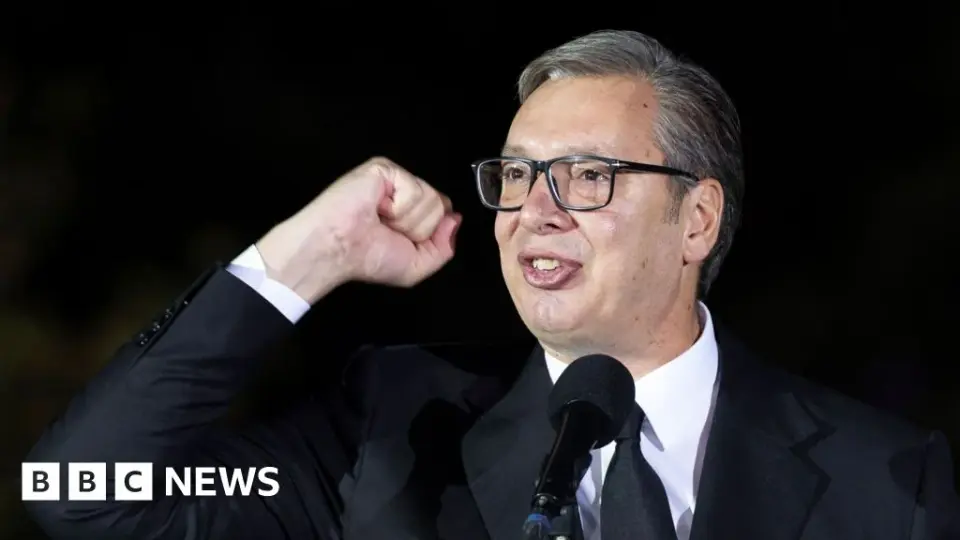
Serbian President Aleksandar Vučić has resigned, triggering a constitutional path to snap parliamentary elections on October 25 and a subsequent presidential vote. His departure follows over a year of mass protests sparked by a fatal railway station collapse in 2024. Vučić, barred from a third presidential term, is now seeking the prime minister’s post, while his party faces a new student-led anti-corruption movement.
Key points
- Vučić announced his resignation after nine years in office, citing the preservation of stability despite corruption allegations.
- The resignation follows a fatal roof collapse at the Novi Sad railway station in November 2024, which killed 16 people and ignited sustained public anger.
- Protests, involving students, workers, and farmers, continued through 2025 and 2026, with demonstrators demanding transparency and an end to political interference.
- Vučić used his final presidential powers to pardon 49 individuals, including 23 students and loyalists linked to the unrest.
- Parliamentary speaker Ana Brnabić will serve as interim president until a new leader is elected following the October vote.
- The upcoming election pits the Serbian Progressive Party against the 'Students Win' movement and the pro-Western 'European Serbia' coalition.
Background
Vučić has dominated Serbian politics since 2014, serving as both prime minister and president. His tenure has been characterized by a balancing act between seeking EU membership and maintaining close ties with Russia and China. The current crisis marks the first significant challenge to his authority in over a decade, following a period of relative political consolidation. The archive notes that while regional stability is often cited, underlying tensions regarding war crimes legacy and economic disparities remain unresolved.
How outlets are covering it
BBC emphasizes the constitutional mechanics of the resignation and the timeline for double elections, noting Vučić’s claim that his administration preserved peace. Al Jazeera highlights the severity of the public backlash, framing the resignation as a forced concession to street power rather than a voluntary choice. While BBC focuses on the immediate political transition, Al Jazeera provides broader regional context, noting that Western Balkan neighbors are watching closely for signs of a shift in Belgrade’s foreign policy. Both sources agree on the factual timeline but differ in tone regarding Vučić’s agency in the decision.
Why it matters
The outcome of the October 25 election will determine whether Serbia continues its current trajectory of balancing Western and Eastern alliances or pivots toward greater EU integration. A loss for Vučić could signal a broader shift in the Western Balkans, potentially easing regional tensions but also introducing uncertainty into energy and security partnerships. The election is also a test for the viability of student-led anti-corruption movements in the region.
What to watch
Serbians will vote in snap parliamentary elections on October 25. If Vučić’s party loses, he may step aside entirely; if he wins, he will likely become prime minister. A presidential election must follow within three months of his resignation, likely taking place in late 2026 or early 2027. The interim period will be led by Ana Brnabić, who must manage the transition and potential unrest.
- Embattled Serbian president resigns, paving way for early elections BBC
- Serbia’s populist President Vucic resigns to run for prime minister at early vote AP News
- Serbian President Aleksandar Vucic announces resignation, but will run for prime minister in snap polls dw.com
- Serbian President Aleksandar Vucic resigns amid prolonged protests Al Jazeera
- Serbia’s Longtime President Aleksandar Vucic Resigns Post The New York Times
Want the full story? Read the original reporting
Read on BBC