
Data Shows Iran War, Not Ukraine Strikes, Driving US Diesel Prices
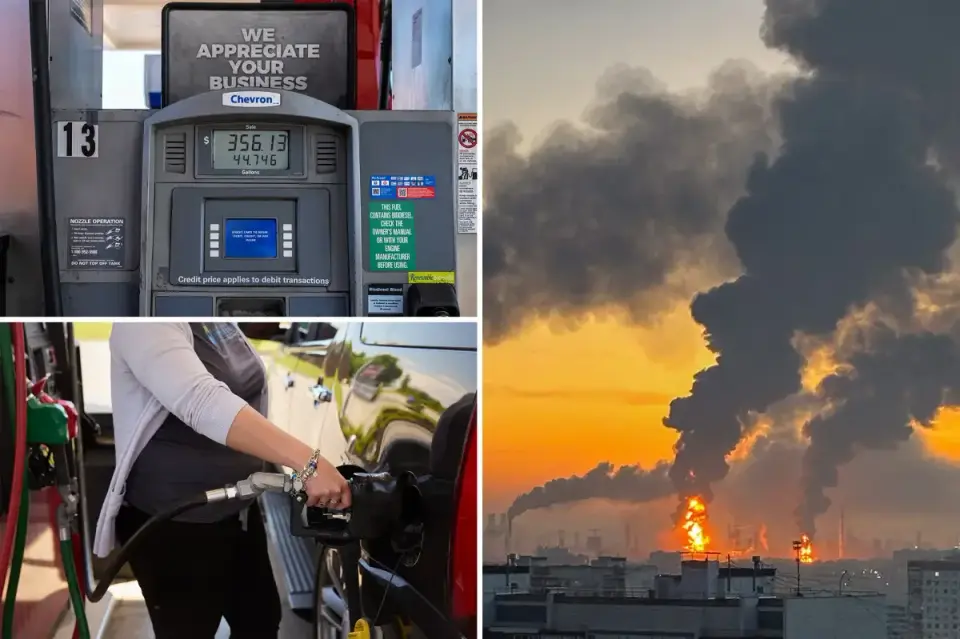
An Institute of the Study of War analysis indicates that US diesel prices remained stable during Ukraine’s strikes on Russian refineries, rising only after the US-Israel conflict with Iran began. This data contradicts President Trump’s claims that Kyiv’s attacks are driving up fuel costs, though tensions persist over a US-Russian diesel deal and Starshield satellite access.
Key points
- US diesel prices stayed under $4/gallon from August 2025 until February 2026, despite Ukrainian strikes on six Russian refineries in November 2025.
- Prices surged to a peak of $6.53/gallon on September 21, coinciding with the start of the US-Israel war on Iran and the closure of the Strait of Hormuz.
- President Trump blamed Ukraine for rising fuel costs and demanded a halt to refinery strikes, while Zelensky vowed to resume attacks and accused Washington of cutting off Starshield satellite access.
- The Institute of the Study of War attributes the price spike to the Iran conflict, not the Ukraine war, challenging the administration’s narrative.
Background
Recent weeks have seen escalating friction between Washington and Kyiv. Ukraine has resumed drone strikes on Russian refineries, reducing Moscow’s refining capacity by over 50%. This follows a brief 'energy ceasefire' that Zelensky rejected. Meanwhile, the US has pursued a deal to import over 2.25 million barrels of Russian diesel, a move criticized by allies as a concession to Moscow.
How outlets are covering it
The New York Post highlights the ISW data showing no correlation between Ukrainian strikes and US diesel prices, emphasizing the Iran war as the primary driver. LIGA.net frames Trump’s blame of Ukraine as a political deflection from his own failures, noting that the Iran conflict and Strait of Hormuz blockade are the true causes of market instability. NewsBreak focuses on the broader economic impact, with Sen. Duckworth linking high mortgage rates and inflation directly to the costs of the Iran war, arguing that Americans are bearing the burden of the conflict.
Why it matters
The disconnect between the administration’s narrative and market data complicates US-Ukraine relations and energy policy. If Ukraine’s strikes are not driving US fuel prices, the justification for halting them weakens, potentially altering the trajectory of the war and US support for Kyiv.
What to watch
Watch for further developments in the US-Russian diesel deal and whether Zelensky’s resumed strikes trigger a new round of diplomatic pressure from Washington. The upcoming midterm elections may also influence how the administration frames the economic impact of the Iran war.
- Ukraine’s strikes on Russian oil refineries is not impacting US gas prices: report New York Post
- The Diesel Price Blame Game Mark Urban | Substack
- Ukraine drone strikes and Iran war split blame on skyrocketing diesel prices Washington Examiner
- An MEP explained why Trump is blaming Ukraine for the rise in diesel prices. He proposed a solution LIGA.net
- Sen. Duckworth Blames Iran War for Highest Mortgage Rates in Nearly 3 Years — “Americans Just Can’t Afford the Cost of Trump’s War” NewsBreak: Local News & Alerts
Want the full story? Read the original reporting
Read on New York Post