
Delhi’s Hospital Pavements: A Crisis of Care and Housing
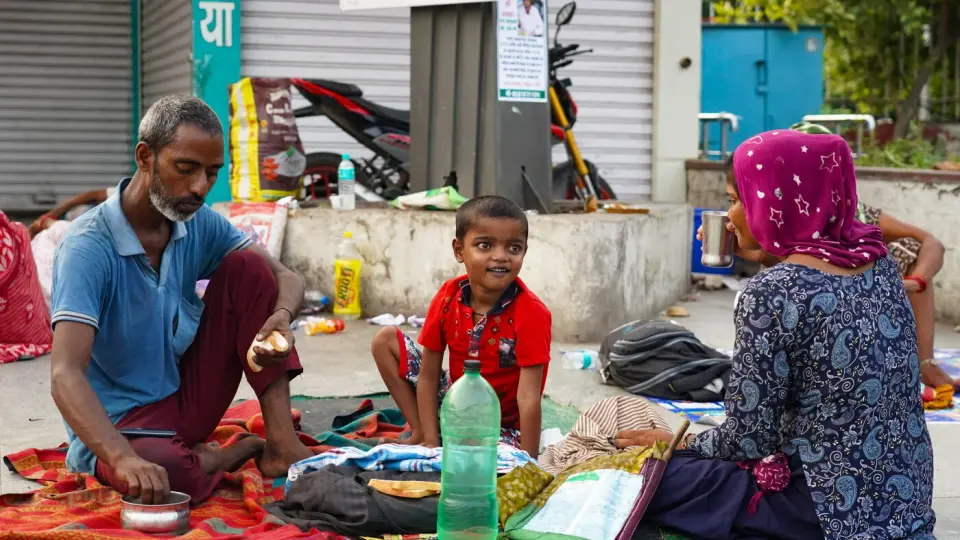
In New Delhi, thousands of low-income families sleep on sidewalks, in subways, and other public spaces near major public hospitals like AIIMS and Safdarjung Hospital. These patients and their caregivers travel from hundreds of miles away for specialized treatment but cannot afford lodging, forcing them to camp outside for weeks or months. While the hospitals provide subsidized medical care, they do not cover accommodation costs, leaving families to navigate a precarious existence on the pavement. A small ecosystem of volunteers, tea stalls, and charities provides basic support, but many still face hunger, exposure to the elements, and safety concerns. The situation highlights a critical gap in India’s public healthcare system, where access to treatment does not guarantee the ability to stay near the hospital during care.
Key points
- Families from across India, including Bihar, Madhya Pradesh, and Uttar Pradesh, travel to Delhi for treatment at AIIMS and Safdarjung Hospital but lack funds for lodging.
- Patients and caregivers sleep on sidewalks, in subways, and other public spaces for durations ranging from one week to several months.
- AIIMS provides subsidized medical treatment and travel assistance but does not cover accommodation costs, despite claiming to help arrange low-cost lodging.
- A network of volunteers, charities, and local businesses provides food, phone charging, and basic support, but resources are insufficient for all.
- Families face significant hardships, including hunger, exposure to rain and heat, safety concerns, and the loss of income and education for dependents.
Background
This issue is part of a broader pattern of healthcare access challenges in India, where public hospitals serve as critical hubs for specialized care but often lack integrated support for patient housing. Previous coverage has highlighted the importance of sleep quality and medical conditions, but this story focuses on the systemic barriers that prevent patients from accessing care without facing homelessness. The archive articles on sleep and co-sleeping provide no direct background, but the theme of sleep deprivation and health impacts is relevant to the conditions faced by these families.
Why it matters
The situation at Delhi’s public hospitals reveals a critical flaw in India’s healthcare system: while medical treatment is subsidized, the lack of affordable housing forces patients into vulnerable and unsafe conditions. This not only affects their health and well-being but also undermines the effectiveness of the treatment they receive. The story highlights the need for integrated healthcare solutions that address both medical and social needs, ensuring that access to care is not contingent on the ability to pay for lodging. It also underscores the role of community support in mitigating the impact of systemic failures, but the scale of the problem suggests that such efforts are insufficient without policy intervention.
What to watch
AIIMS and Safdarjung Hospital have not responded to requests for comment about the issue of accommodations or the experiences of families sleeping outside. The future of this situation depends on whether the hospitals or the government will implement measures to provide affordable lodging or financial assistance for accommodation. Charities and volunteers continue to provide support, but the scale of the problem suggests that systemic changes are needed to address the root causes of this crisis.
Want the full story? Read the original reporting
Read on NPR