
Spain passes housing decree after strike, but repeal looms if conservatives win
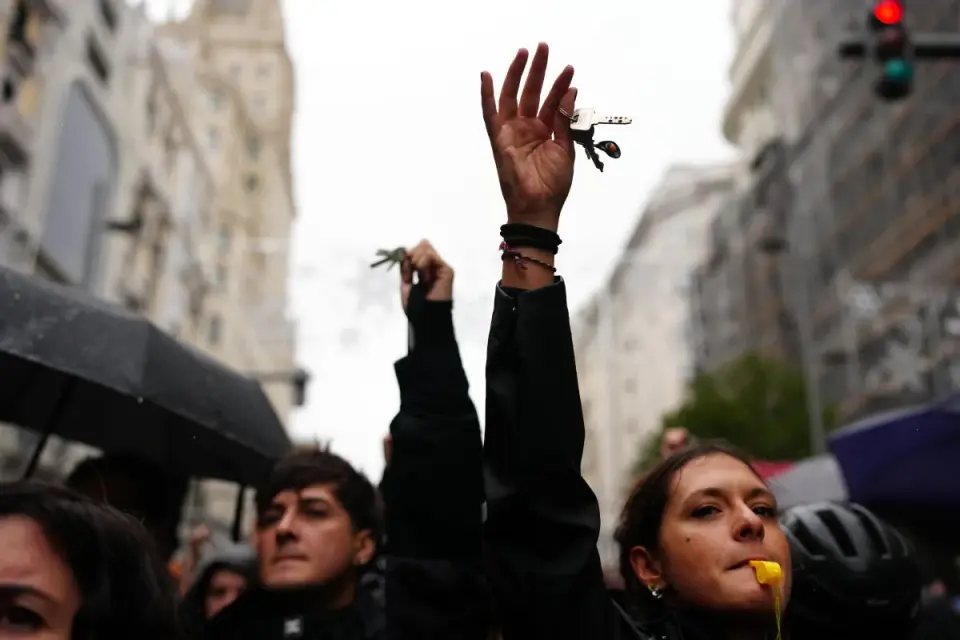
Spain’s interim parliament approved a housing decree limiting evictions and speculation on November 12, following a nationwide general strike. The measure passed by a narrow 35-34 vote but may be repealed if the conservative Popular Party wins the November 29 election.
Key points
- The interim lower house ratified a housing decree on November 12, one day after a general strike involving millions of workers.
- The approved measure extends eviction protections for vulnerable tenants until 2030 and bans real estate firms from buying properties below 70% of their value.
- A second decree proposing automatic lease renewals was rejected by a 34-35 vote after a center-right Basque party switched support.
- The Popular Party has pledged to repeal these measures if it wins the upcoming election, which polls suggest is likely.
- The strike, the first in 14 years, saw 90% participation in ports and auto sectors, with clashes reported in Barcelona and Madrid.
Background
This development follows the death of 87-year-old Maricarmen Abascal in October, whose eviction in September sparked nationwide protests. Prime Minister Pedro Sánchez called a snap election for November 29 after his government failed to pass initial housing reforms in October. The current vote took place in a dissolved parliament with only 69 members, compared to the regular 350.
How outlets are covering it
AP and Al Jazeera report the decree passed narrowly, emphasizing the government’s strategic split of measures to secure approval. CNN highlights the scale of the strike, noting 4 million participants and significant economic disruption, while BBC focuses on violent clashes in Barcelona. The Popular Party, as noted by AP and Al Jazeera, criticizes the measures as demagoguery that will reduce housing supply, whereas unions and the government frame the strike as a success in defending housing rights. Business leaders, cited by CNN and BBC, argue the strike was counterproductive and that building more homes is the solution.
Why it matters
The outcome of the November 29 election will determine whether these housing protections remain in place or are repealed. The narrow vote and political polarization highlight the deep divide over housing policy, with the left prioritizing tenant protections and the right focusing on supply-side solutions. The strike’s impact on the economy and public sentiment may influence voter behavior in the upcoming election.
What to watch
The next critical step is the November 29 national election, where the Popular Party is leading in polls. If they win, they plan to repeal the housing measures. Meanwhile, the government will monitor public reaction to the approved decree and the aftermath of the strike, including any legal actions from unions over police conduct.
- Spain approves housing measures after huge protests. Their duration may depend on election result AP News
- Millions of Spaniards stage first general strike in 14 years as anger rages over housing CNN
- Clashes erupt in Barcelona after thousands join Spain general strike BBC
- Spain approves housing reforms after nationwide strike over costs Al Jazeera
- Housing protests sweep Madrid and Barcelona after Spain’s workers strike, with clashes erupting AP News
Want the full story? Read the original reporting
Read on AP News