
Spain’s housing crisis fuels general strike and election volatility
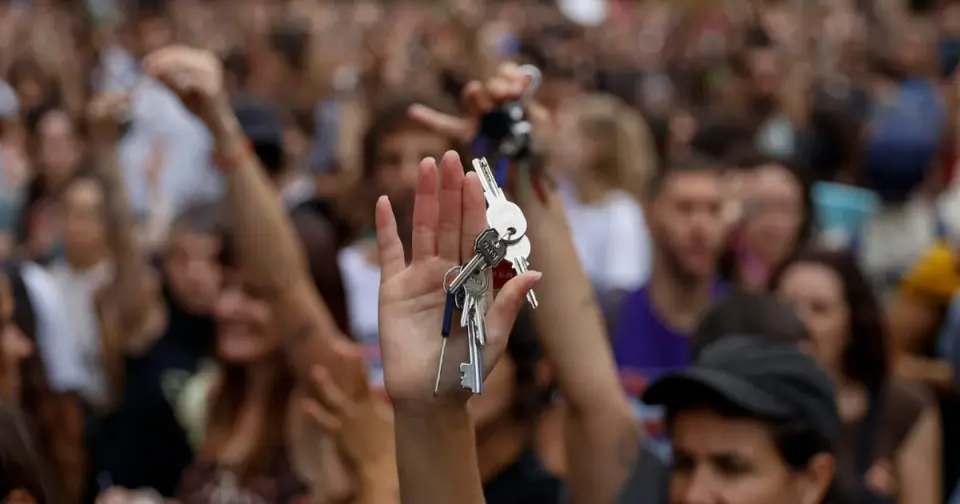
Spain faces a severe housing affordability crisis, with prices doubling since 2015, triggering a historic general strike and a snap election on November 29. Prime Minister Pedro Sánchez has made housing central to his campaign, but polls show the right-wing bloc leading due to broader economic discontent and recent scandals.
Key points
- House prices in Spain have risen 80% between 2015 and 2025, reaching double their 2015 levels by mid-2026, while salaries increased by only 30%.
- A general strike on November 11, the first in 14 years, was triggered by the eviction of an elderly woman and widespread anger over unaffordable rents.
- Prime Minister Pedro Sánchez called a snap election on October 5 after the parliament rejected his emergency housing legislation, aiming to rally voters against speculative investors.
- Polls indicate the conservative People's Party (PP) and far-right Vox are likely to secure a parliamentary majority, with the Socialists trailing by a significant margin.
- Young Spaniards are disproportionately affected, with 67% of those aged 18-34 living with their parents in 2025, citing inability to afford housing as the primary reason.
Background
The current crisis builds on years of rising costs, but the immediate trigger was the eviction of an 87-year-old woman in Madrid in September 2026, which sparked nationwide protests. Sánchez’s government had previously pledged to provide 184,000 public rental homes, a goal that has been difficult to realize during his eight years in office. The housing issue is part of a broader European trend, where affordability is becoming a key electoral issue in countries like the Netherlands and Germany.
How outlets are covering it
Politico emphasizes the structural failure of Sánchez’s housing policies, noting that while Spain’s price increases are not the worst in Europe, the political fallout is severe. France 24 highlights the electoral math, showing that despite Sánchez’s efforts to frame the election around housing, the right-wing bloc holds a significant lead in polls, with the Socialists recovering only slightly after a recent train crash scandal. Israel National News offers a critical perspective, arguing that Sánchez’s focus on housing masks deeper issues like economic stagnation and immigration, and suggests that his government’s failures have emboldened right-wing opposition. The outlets agree on the severity of the housing crisis but differ on whether it is the primary driver of the election outcome or one of several factors contributing to Sánchez’s potential defeat.
Why it matters
The housing crisis is not just a domestic issue but a symbol of broader economic and political instability in Spain. It has the potential to reshape the country’s political landscape, with the snap election on November 29 likely to determine whether Sánchez’s left-wing coalition can survive or if the right-wing bloc will take power. The outcome will also have implications for Spain’s role in the European Union and its relationship with other countries, as the crisis reflects wider trends in affordability and social inequality across the bloc.
What to watch
The snap election on November 29 will be the next major event, with the outcome likely to determine the direction of Spain’s housing and economic policies. If the right-wing bloc wins, it may prioritize different approaches to housing and immigration, potentially leading to significant changes in the country’s political and social landscape. The general strike on November 11 will also be a key indicator of public sentiment, with high participation suggesting strong support for Sánchez’s agenda, while low turnout could signal a lack of confidence in his leadership.
- Spanish election: How bad is the housing crisis? POLITICO.eu
- Spain's right well ahead in polls for November 29 election Reuters
- Spain's right holds poll lead over Sanchez's Socialists ahead of November 29 snap election France 24
- The pain in Spain makes voters complain and the Right-Wing gain Israel National News
- General elections: nearly 4,000 users of DEMÓCRATA AND ATRESMEDIA predict a winning PP and a PSOE with 109 seats. What’s your bet? Demócrata
Want the full story? Read the original reporting
Read on POLITICO.eu