
Taiwan voters approve nuclear power revival, ending 'nuclear-free' policy
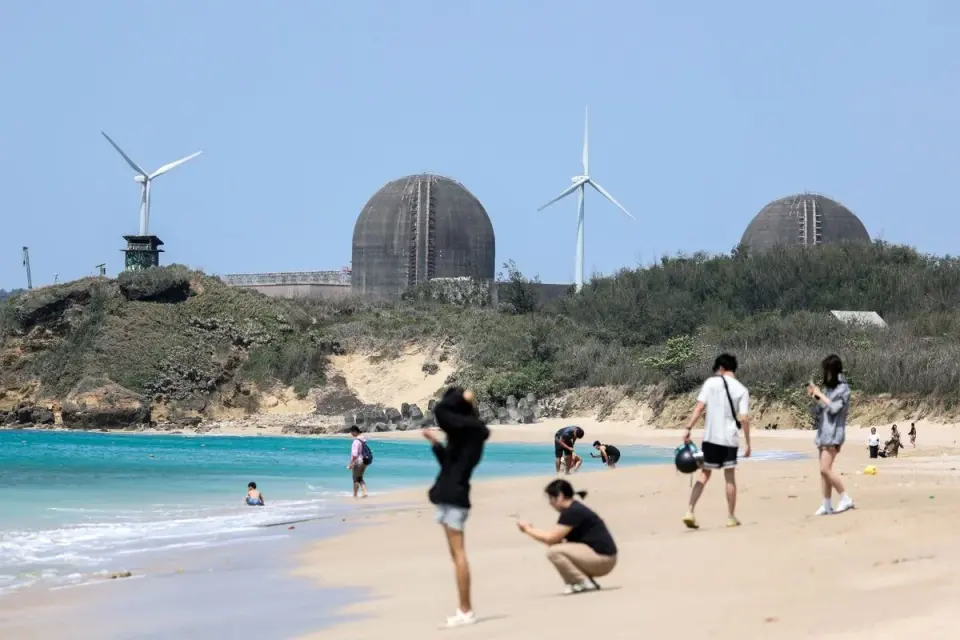
Taiwan voters have approved a referendum to abolish the 'nuclear-free homeland' policy, clearing a 25% threshold of eligible voters with over 7.4 million 'yes' votes. The measure, initiated by the opposition Kuomintang (KMT), aims to allow the government to use nuclear power to support the economy, particularly the semiconductor and AI sectors. While the ruling Democratic Progressive Party (DPP) opposed the vote, the government stated it respects the result but emphasized that nuclear restarts require safety assurances, waste solutions, and social consensus. No reactors will restart immediately, as safety reviews remain pending.
Key points
- The referendum passed with 7,434,677 'yes' votes and 4,557,768 'no' votes, according to the Central Election Commission. This exceeded the 25% threshold of 20,003,835 eligible voters required for passage.
- The vote was the fourth nuclear-related referendum in eight years, held alongside local elections. Turnout reached 62.79%, a record high for such a vote, compared to 54.83% in 2018.
- The KMT and Taiwan People's Party backed the measure, framing it as essential for energy security and supporting the semiconductor industry, which consumes over 4.5 billion kilowatt-hours of electricity annually.
- The DPP, which governed since 2016 on a nuclear phase-out pledge, urged 'no' votes. Executive Yuan spokesperson Michelle Lee stated the cabinet respects the result but will not proceed without ensuring nuclear safety, waste disposal solutions, and social consensus.
- Taiwan imports over 97% of its energy, with only 11 days of liquefied natural gas in reserve. The last operational reactor, Maanshan, was shut down in May 2025, though restart plans are under review.
Background
Taiwan previously relied heavily on nuclear power, which generated 52% of its electricity in 1985. The DPP adopted a nuclear phase-out policy in 2016, leading to the shutdown of the last reactor in May 2025. Previous referendums in 2018, 2021, and 2025 yielded mixed results, with the 2025 vote failing due to low turnout despite 74.17% 'yes' support. Surging electricity demand from the semiconductor industry, which accounts for nearly 24% of Taiwan's electricity by 2030, has renewed debate over energy security and reliance on imported fuels.
How outlets are covering it
Bloomberg and Taipei Times emphasize the referendum's clear passage and its implications for energy policy, noting the high turnout and the KMT's role in initiating the vote. Al Jazeera highlights the political divide, with the DPP opposing the measure and experts questioning the link between nuclear power and economic benefits. ClickOnDetroit (AP) notes that the vote does not guarantee immediate reactor restarts, as safety reviews remain pending, and that the DPP government maintains its stance on nuclear safety and waste disposal. All sources agree that the referendum abolishes the 'nuclear-free' policy but does not mandate immediate nuclear power use.
Why it matters
The referendum outcome signals a shift in Taiwan's energy policy, potentially allowing nuclear power to support the semiconductor and AI industries, which face surging electricity demand. It also addresses energy security concerns, as Taiwan imports over 97% of its energy and has limited LNG reserves. The vote may influence future energy investments and international relations, particularly with China, which has used Taiwan's energy vulnerability in its messaging.
What to watch
The government will continue safety assessments for restarting the Maanshan and Kuosheng plants, with supporters estimating a timeline of 18 months to three years. Opponents argue restarts could take five to 10 years and cost hundreds of billions of New Taiwan dollars. The DPP will likely maintain its focus on renewable energy and nuclear safety, while the KMT pushes for faster nuclear revival. Further public debate on nuclear waste disposal and safety standards is expected.
- Taiwan Voters Back Nuclear Revival in Referendum to End Phaseout Bloomberg.com
- Will Taiwan vote to revive nuclear power – and why does that matter for AI? Al Jazeera
- Nuclear energy referendum passes with 7 million ‘yes’ votes Taipei Times
- Taiwan votes to end 'nuclear-free homeland' policy and reopen door to nuclear power use ClickOnDetroit | WDIV Local 4
- Taiwan returns to nuclear power but remains dependent on imported gas Tomorrow's Affairs
Want the full story? Read the original reporting
Read on Bloomberg.com