
UK MoD Contacts Half of Strategic Reserve Amid Rising Threat Concerns
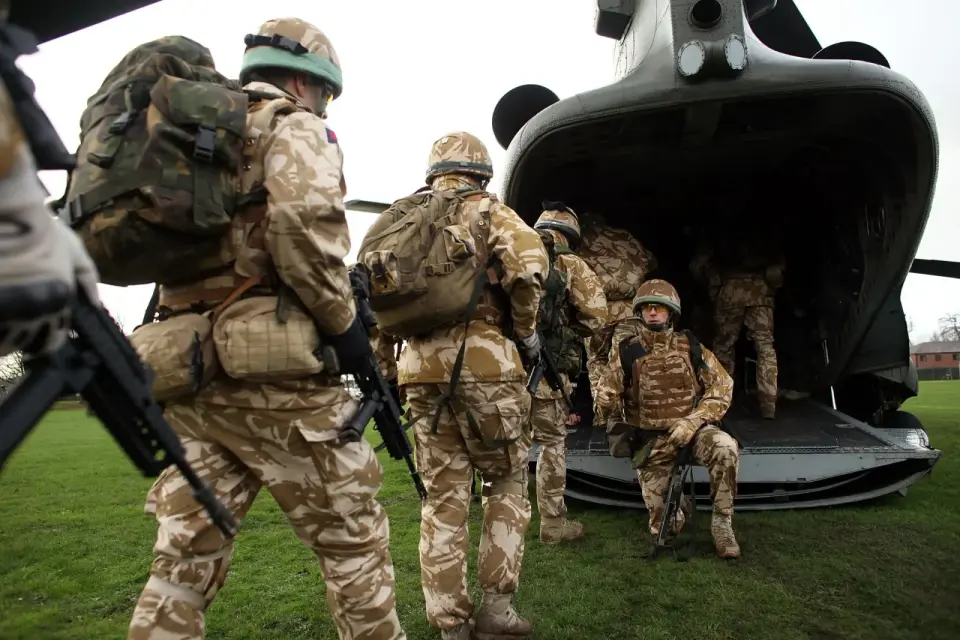
The UK Ministry of Defence has contacted approximately 100,000 reservists to update skills and contact details, citing a deteriorating threat environment. However, officials lack current information for nearly half of the 95,000-strong strategic reserve. Defence Secretary Wes Streeting framed the move as a necessary precaution to ensure readiness, while critics highlighted the British Army's reduced size and equipment gaps. The initiative coincides with a public campaign urging citizens to stockpile emergency supplies.
Key points
- The MoD sent letters to around 100,000 reservists, but The Independent reports that the department lacks up-to-date contact details for approximately 45,000 of the 95,000 former troops in the strategic reserve.
- Defence Secretary Wes Streeting stated the move is a 'sensible, necessary precaution' to ensure the government knows the skills and locations of potential recruits, citing a 'deteriorating' threat environment in Europe.
- The British Army currently stands at under 73,000 troops, its smallest size since the Napoleonic Wars, according to UnHerd. The MoD has also abandoned plans for new armored vehicles due to budget cuts.
- Prince Harry stated he would rejoin the British Army to fight Russia if needed, a move Streeting praised as 'patriotic spirit' during interviews with BBC Radio 4.
- The government launched the 'Be Ready' campaign, urging households to stockpile three days of supplies for emergencies ranging from cyberattacks to infrastructure disruptions.
Background
This development follows a period of heightened defense spending debates, including an £8 billion contract to upgrade the UK's nuclear submarine fleet. The MoD's outreach is the first of its kind since the Cold War, reflecting a shift in military strategy toward mobilizing civilian skills and veteran expertise in response to modern warfare dynamics observed in Ukraine.
How outlets are covering it
BBC and The Independent emphasized the administrative nature of the contact, describing it as 'good housekeeping' to avoid the poor record-keeping issues faced during the 2003 Iraq war. UnHerd, however, framed the move as a symptom of broader military inadequacy, arguing that the Army is under-equipped and that contacting reservists does not address the core issue of insufficient professional manpower. While Streeting insisted the action was not a 'panic button' for imminent war, UnHerd noted that newspaper headlines overstated the situation, though the move remains significant given the current geopolitical climate.
Why it matters
The initiative highlights the UK's efforts to bolster national resilience amid a perceived increase in threats from Russia and state-sponsored terrorism. It underscores the government's focus on maintaining up-to-date records of strategic reserve capabilities, a critical factor in deterrence and potential mobilization. The controversy over missing contact details and the Army's reduced size raises questions about the effectiveness of current defense policies and the readiness of the UK to respond to future conflicts or national disasters.
What to watch
The MoD plans to make the contact with reservists a regular practice, with efforts likely to increase through early 2027. The government will continue to monitor the 'threat environment' and may expand the 'Be Ready' campaign to encourage further public preparedness. The outcome of the reservist outreach, including the response rate and the update of skills and contact details, will be assessed in the coming months.
Want the full story? Read the original reporting
Read on UnHerd