
UK and EU finalize trade and mobility deals, but tuition fee dispute threatens implementation
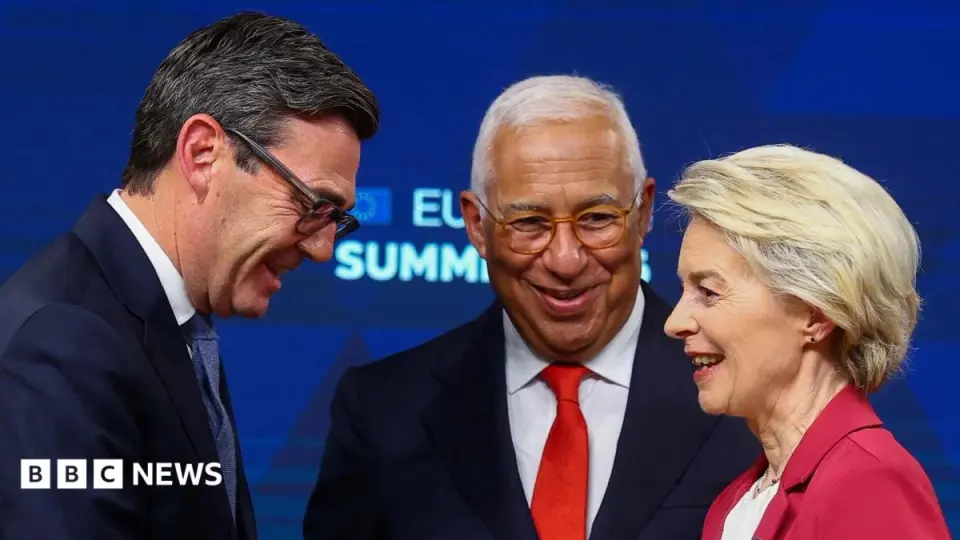
UK Prime Minister Andy Burnham and EU leaders announced a new agreement covering food exports, youth mobility, and emissions trading. The deal aims to boost the UK economy by £17bn and ease cost-of-living pressures. However, the agreement is contingent on resolving a dispute over tuition fees for EU students in the UK, which remains unresolved.
Key points
- The new agreement includes three core components: removing most checks on British food exports, a youth mobility scheme, and linking carbon markets.
- The youth mobility scheme will allow 100,000 young people from the UK and 100,000 from the EU to work, study, or travel in each other's countries for up to three years.
- Burnham claims the deal will add 0.5% to UK GDP and provide a £17bn economic boost, calling it the 'single biggest growth measure' for the current parliament.
- EU leaders stated that the three deals will not come into force until the UK agrees to reduce tuition fees for EU students to domestic levels.
- Burnham insisted the deal is 'done' and will enter Parliament next week, while von der Leyen expressed confidence that a solution on fees will be found.
Background
This development follows previous UK-EU summits in late 2026 where trade and mobility frameworks were initially discussed. Earlier coverage noted that while the core deals were signed, the tuition fee issue remained a significant sticking point. The current agreement represents a shift from the 'hard Brexit' model, with Burnham hinting at deeper future integration, though he maintains the UK will not rejoin the single market or customs union.
How outlets are covering it
BBC News and The Guardian emphasize the economic benefits and the 'win-win' nature of the deal, highlighting Burnham's focus on cost-of-living relief and youth opportunities. However, The Guardian notes that the EU has made the implementation of the trade and mobility deals conditional on resolving the tuition fee dispute, a point Burnham downplayed. NBC News frames the deal as an attempt to rewrite Brexit in the face of economic pain and security threats from Russia. Critics, including Nigel Farage, argue the deal makes the UK a 'rule taker' and was forced by EU strongarm tactics over tuition fees, while Burnham challenges opponents to justify rejecting such growth measures.
Why it matters
This deal represents a significant shift in UK-EU relations post-Brexit, potentially reducing trade barriers and increasing mobility for young people. The resolution of the tuition fee dispute is critical, as it could determine whether the agreed-upon economic and social benefits are realized or if the entire package is blocked. It also sets the stage for future negotiations on deeper integration, including potential alignment with EU trade defenses and single market access.
What to watch
The UK government will introduce the legislation for the deal into Parliament next week. Negotiations on tuition fees will continue, with a six-month window to reach an agreement. If the fee dispute is not resolved, the EU has indicated it may block the implementation of the food, emissions, and mobility deals. Burnham has also announced a 'brainstorming' process to explore further options for UK-EU cooperation, to inform the next parliament.
- Burnham tells young people UK-EU deal 'is for you' as Badenoch criticises it as unfair - live BBC
- Britain Announces Brexit Reset Deal at E.U. Summit: What to Know The New York Times
- Facing economic pain and Russia threats, U.K.’s Burnham looks to rewrite Brexit with new deal NBC News
- Ed Miliband: EU deal not dependent on tuition fees agreement BBC
- Burnham seals trade and youth mobility deals in biggest step towards EU since Brexit The Guardian
Want the full story? Read the original reporting
Read on BBC