
UK-EU Reset Deal Sparks Renewed Debate on Rejoining the Bloc
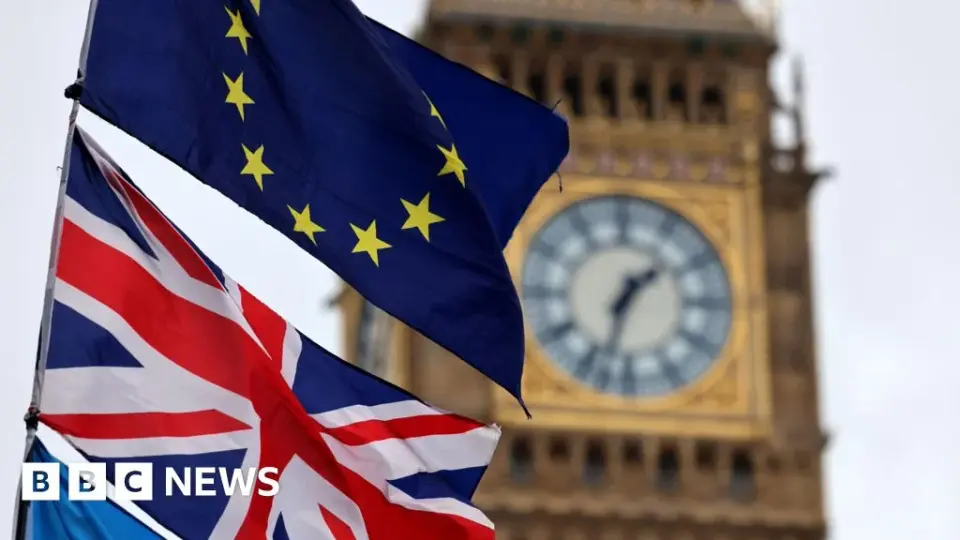
Prime Minister Andy Burnham is set to sign a new trade deal with the EU on November 20, but the agreement has reignited a fierce political debate over whether the UK should eventually rejoin the European Union. While Burnham frames the move as a pragmatic step to boost growth and control immigration, critics argue it risks undermining British sovereignty and economic independence. The controversy has split the Labour Party and revived old Brexit arguments, with pro-EU figures pushing for a referendum and Leave campaigners warning of significant financial costs.
Key points
- Burnham will sign a new UK-EU deal on November 20, focusing on agri-food trade, emissions, and youth mobility.
- The deal includes 'dynamic alignment' clauses, which critics argue allow the EU to impose rules on the UK without a veto.
- Pro-EU Labour figures, including David Lammy and Rachel Reeves, are publicly supporting a future referendum on rejoining the EU.
- A new campaign group, Stay Out, led by Oliver Lewis, is opposing reintegration, claiming it would cost the UK £750m per week.
- Burnham has softened his language, delaying a detailed public statement on EU options until before the Christmas recess to align with his 10-year plan.
Background
This debate follows Burnham’s October statements suggesting an 'honest discussion' about returning to EU freedom of movement rules, a shift from Labour’s 2024 manifesto red lines. Earlier in 2026, Burnham also claimed Russian interference in the 2016 referendum, a statement that sparked backlash but was later clarified by Downing Street as not changing the vote's outcome. The current dispute is part of a broader reassessment of the UK's post-Brexit economic trajectory, with some arguing the initial shock of Brexit has been offset by recent growth, while others maintain that deeper EU integration is necessary for long-term prosperity.
How outlets are covering it
The BBC reports that the debate has returned with 'nerves' in the Labour Party, noting that while many MPs are happy to see the issue back on the agenda, others worry it will be 'toxic' or distract from other priorities. The Financial Times argues that while Burnham may be exploring incremental steps, the only serious political alternative to staying out is full reintegration, as half-measures offer less control than full membership. The Telegraph, in contrast, asserts that Brexit is 'going rather well,' citing UK outperformance in growth compared to Germany, Italy, and France, and arguing that the UK has successfully restructured its economy and supply chains. The Independent highlights the fragmentation among Leave campaigners, noting that the 'zombies' of 2016 are now divided, with figures like Boris Johnson and Reform UK leaders criticizing Burnham but also fighting each other over the narrative. The outlets disagree on the economic impact: The FT and BBC suggest significant gains from rejoining, while The Telegraph and The Independent emphasize the risks of losing sovereignty and the potential for the 'Project Fear' campaign to fail as it did in 2016.
Why it matters
The outcome of this debate could reshape the UK's economic and political landscape for the next decade. If Burnham proceeds with a referendum or deeper integration, it could unify progressive voters but risk alienating pro-Brexit constituencies and trigger a constitutional crisis. Conversely, if the debate fizzles, it may leave the UK in a state of regulatory uncertainty, potentially harming industries like AI and biotechnology that rely on clear, independent rules. The issue also has implications for Scotland, where some MPs worry that a UK-wide EU vote could fuel calls for another independence referendum. Ultimately, the decision reflects a broader question about whether the UK should prioritize sovereignty or economic integration in a changing global order.
What to watch
Burnham is expected to present his 10-year plan, including EU policy options, before the Christmas recess. The government has not yet decided on a formal position, but Burnham has indicated that any negotiations would take effect after the next general election. The Stay Out campaign is likely to intensify its efforts to raise the political cost of reintegration, while pro-EU figures within Labour will continue to push for a referendum. The outcome of the November 20 summit and the subsequent public statements will determine whether the debate moves toward a concrete policy or remains a rhetorical exercise. Investors and businesses will watch closely for signals on the future of 'dynamic alignment' and its impact on sectors like food, agriculture, and technology.
- The Brexit debate is back – and there are nerves about what happens next BBC
- Burnham faces the hard reality of Brexit Financial Times
- Actually, Prime Minister, Brexit is going rather well The Telegraph
- The Brexit ‘zombies’ are back – and busy fighting each other The Independent
- Brexit’s unfinished promise and the dangers of Rejoin Morning Star | The People’s Daily
Want the full story? Read the original reporting
Read on BBC