
UK Home Secretary Announces Expanded Police Protection for Non-MPs and Urgent Security Review
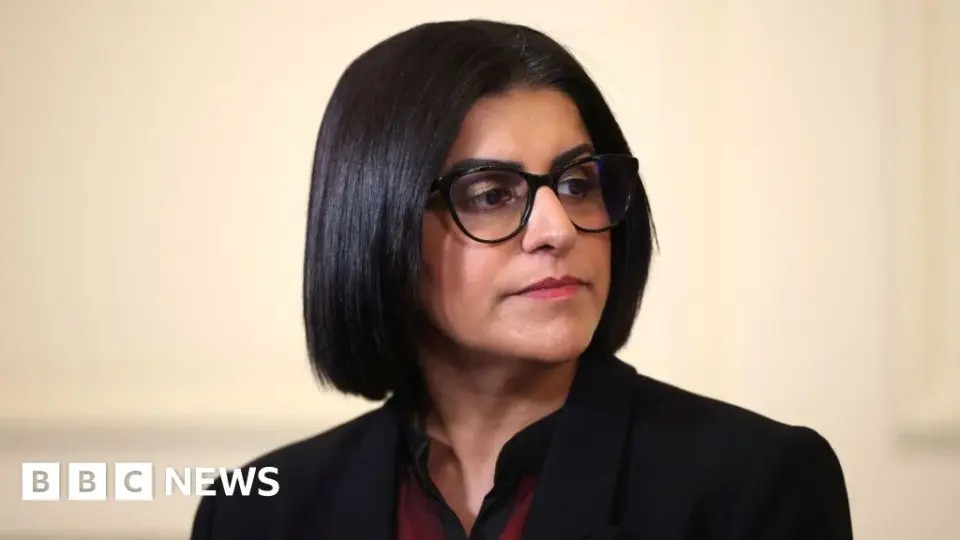
UK Home Secretary Shabana Mahmood has announced that police support will be extended to political figures who are not currently Members of Parliament, including peers, former MPs, and party spokespeople. This decision follows the murder of Reform UK spokeswoman Ann Widdecombe in July 2026. Mahmood also commissioned an independent, 'root and branch' review of security arrangements for high-profile individuals, led by former national security adviser Stephen Lovegrove. The review aims to address physical threats, online risks, and polarization within British society, with findings expected within six months. The move responds to rising violence against politicians, with recorded offences against MPs increasing from 364 in 2019 to 976 in 2025.
Key points
- Police support will now cover peers, former MPs, and party spokespeople, providing access to a named officer and wider security measures.
- An independent review led by Stephen Lovegrove will examine protective security for politicians, royals, and other high-profile figures within six months.
- The announcement follows the July 2026 murder of Ann Widdecombe, who was killed at her home in Devon by Joshua Kerry, who is also charged with preparing terror acts against Nigel Farage.
- Recorded offences against MPs rose to 976 in 2025, up from 364 in 2019, with 50 death threats reported in 2025 compared to 31 in 2024.
- The review will assess funding effectiveness, decision-making consistency, and risks from terrorism, extremism, and state threats.
Background
This development occurs amid a broader trend of increased violence and intimidation against political figures in the UK. Previous high-profile attacks include the 2021 murder of Conservative MP Sir David Amess and the 2016 killing of Labour MP Jo Cox. A separate review led by Sir Robert Buckland is already examining security for MPs in their constituencies following the Amess murder. International parallels, such as recent coordinated intrusions at MPs' homes in Finland, highlight growing concerns about political security across democracies.
How outlets are covering it
The Guardian emphasized the breadth of the new review, noting it will assess funding and decision-making consistency for a wide range of high-profile individuals, including royals and local representatives. The BBC focused on the immediate expansion of police support to non-MPs and the specific details of the Widdecombe murder case. While The Telegraph source was inaccessible, available data from the Electoral Commission cited by The Guardian indicates that 55% of candidates experienced harassment in recent elections. Reform UK welcomed the review but criticized the government for delayed action, while the Jo Cox Foundation argued that physical security must be paired with tackling root causes like online harms.
Why it matters
The expansion of police protection and the comprehensive security review signal a significant shift in how the UK state addresses threats to democratic participation. By extending support beyond current MPs, the government aims to protect the broader political ecosystem, including party leaders and peers, who are often targeted. The review's focus on online risks and polarization reflects the evolving nature of political threats, where digital harassment and physical violence are increasingly linked. This move may set a precedent for how democracies respond to rising political violence and could influence future security policies for public figures.
What to watch
The Stephen Lovegrove review is expected to deliver its findings within six months. It will assess whether current security arrangements are adequate and proportionate, and how decision-making can be improved. The government will likely implement recommendations to enhance protective measures for non-MPs and other high-profile figures. Additionally, the separate review by Sir Robert Buckland on MP security in constituencies will continue, potentially leading to further policy changes. Public debate may intensify around the balance between security and privacy, especially regarding online risks and the role of social media in political harassment.
- Government expands police support to political figures who are not MPs BBC
- UK to review high-profile figures' security arrangements after ex-minister's murder Reuters
- Mahmood orders urgent security review after killing of Ann Widdecombe The Guardian
- Prince Harry fears MP security review will delay protection ruling The Telegraph
- UK to review protection for public figures after attacks Arab News
Want the full story? Read the original reporting
Read on BBC