
Batam residents protest water shortages as data center boom strains island resources
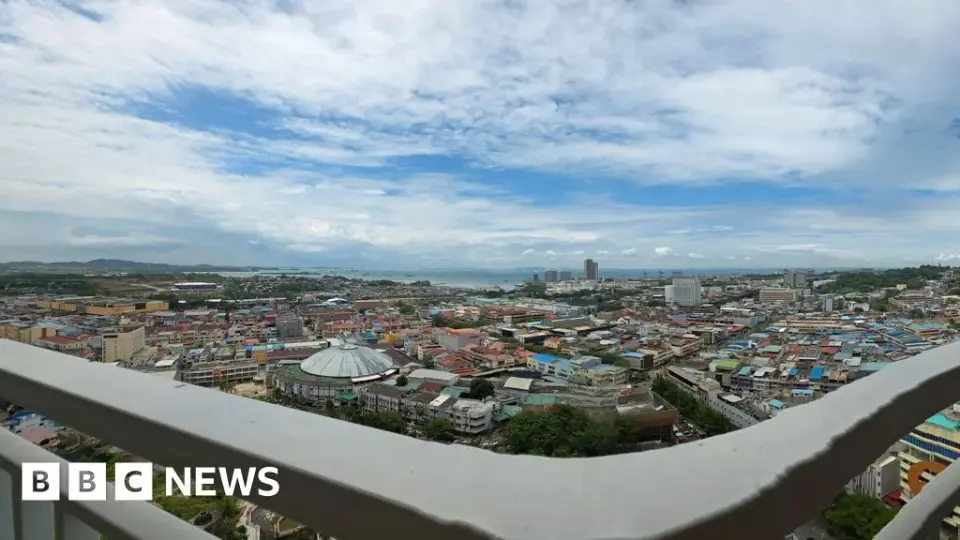
Protests erupted in Batam, Indonesia, as residents blame new data centers for severe water shortages. While authorities cite drought conditions, locals argue that massive AI infrastructure is diverting water from households. This conflict highlights a broader regional tension between rapid digital expansion and resource sustainability.
Key points
- Approximately 300 residents in Batam’s Bakau Serip village protested after experiencing three months of dry taps, accusing the Nongsa Digital Park of prioritizing server cooling over domestic supply.
- Batam’s water utility and BP Batam attribute the shortage to a prolonged dry spell and El Niño effects, denying that data centers are diverting residential water, though they have mandated new facilities to build desalination plants.
- Investment in Batam’s data centers exceeds $6.7 billion as of mid-2026, driven by demand from Singapore and other global tech firms seeking lower operating costs and proximity to subsea cable routes.
- A similar dispute in West Java’s Purwakarta led Governor Dedi Mulyadi to halt a 640MW project near the Jatiluhur Dam due to concerns over water usage and missing environmental permits.
- Industry groups like IDPRO are calling for clearer regulatory frameworks to balance investment certainty with environmental safeguards, while critics note that conventional cooling systems remain prevalent despite available efficient alternatives.
Background
This situation follows a global trend of public pushback against AI data centers, as noted in our August 2026 coverage, where communities worldwide have resisted facilities due to high energy and water consumption. The current events in Indonesia reflect this broader pattern, with local conflicts emerging as digital hubs expand in resource-constrained areas.
How outlets are covering it
BBC and local residents emphasize the immediate impact on daily life, citing dry taps and reliance on dirty tanker water, while authorities like BP Batam and the water utility attribute the crisis to natural drought conditions. The Jakarta Post and Asia News Network highlight the regulatory vacuum, noting that developers often choose cheaper, water-intensive cooling methods to protect profits. Industry representatives, such as IDPRO, argue for clearer legal standards to ensure transparency, whereas environmental analysts point out that Singapore’s stricter efficiency standards have successfully reduced freshwater draw, offering a viable model for Indonesia.
Why it matters
The conflict in Batam and Purwakarta illustrates the growing strain between rapid AI infrastructure expansion and local resource limits. As Indonesia positions itself as a digital hub, the lack of transparent water usage data and robust environmental regulations risks exacerbating social unrest and undermining long-term sustainability. This case serves as a warning for other regions considering similar investments, highlighting the need for balanced policies that protect both economic growth and public welfare.
What to watch
Authorities in Batam are considering measures like cloud seeding to address the water shortage, while industry groups push for an integrated pre-construction approval process. The outcome of the Purwakarta project and the implementation of new desalination requirements in Batam will likely set precedents for future data center regulations in Indonesia and the broader region.
- The island where locals say data centres are taking their water BBC
- Indonesia’s data hubs’ troubled waters: The Jakarta Post Asia News Network
- Explore Indonesia Data Center Market Growth and Investment Opportunities openPR.com
- Data center firms push for clearer, coordinated approvals The Jakarta Post
- Batam Residents Blockade Data Center Over Data Centers Draining Their Water Startup Fortune
Want the full story? Read the original reporting
Read on BBC