
EU-China hybrid car quota deal risks stalling broader trade defense reforms
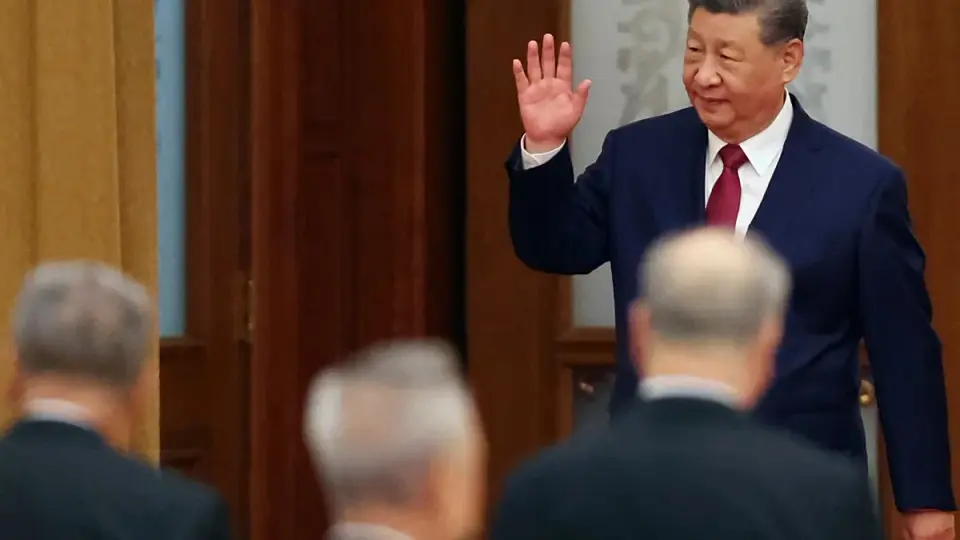
The EU and China reached a four-month trade agreement on Friday, with Beijing agreeing to limit hybrid car exports to 350,000 units annually in 2027 and easing rare earth licensing restrictions. While the deal halves projected Chinese hybrid imports to Europe, critics fear it may reduce urgency for developing new EU trade defense tools. The agreement includes tariff reductions for EU goods but leaves the wider €360 billion trade deficit largely unaddressed.
Key points
- China agreed to a country-specific quota of 350,000 hybrid cars for the EU market in 2027, increasing by 6% annually for four years, cutting current exports of up to 800,000 units by more than half.
- The EU secured tariff liberalization for car parts, footwear, ice cream, and olive oil, saving at least €225 million in duties, though this does not close the €1 billion daily trade deficit.
- The European Commission promised to present proposals for a new trade defense tool before the December summit, following calls from France and Germany for measures to counter foreign economic distortions.
- Chinese manufacturers like BYD and Changan are accelerating local production in Europe, with BYD opening a plant in Hungary and Changan aiming for 180,000 units produced in Europe by 2028.
- EU officials warn that the deal could create 'relaxation' at the European Council, potentially delaying the development of broader trade defense mechanisms and anti-coercion instruments.
Background
This agreement follows months of escalating tensions, including China's anti-dumping probe on EU chemical exports in October 2026 and stalled negotiations in Beijing where China initially rejected voluntary hybrid export limits. The EU had been preparing rapid-response trade tools amid a widening trade deficit, with China's self-sufficiency strategy creating a 6-to-1 container ratio in Beijing's favor.
How outlets are covering it
Euronews emphasizes concerns that the deal may reduce urgency for broader trade defense reforms, with EU officials warning that member states might 'lower their guard' after securing concessions. The Financial Times highlights industry skepticism, noting that executives like Hyundai's Xavier Martinet view the curbs as 'temporary' protection, while Chinese firms plan to circumvent restrictions through local production. Both outlets agree the deal is a 'first step' but stress that the wider trade imbalance remains unaddressed, with Euronews noting the €360 billion deficit dwarfs the €15 billion in Chinese car exports.
Why it matters
The deal sets a precedent for combining trade pressure with diplomacy, but risks undermining the EU's broader strategy to address structural imbalances. If member states prioritize the immediate concession over developing robust trade defense tools, Europe may remain vulnerable to future Chinese export surges and economic coercion, particularly in strategic sectors like rare earths and automotive manufacturing.
What to watch
The EU Commission will present proposals for a new trade defense tool before the December summit, followed by video talks between EU and Chinese trade chiefs in January and political talks in March. Chinese manufacturers will accelerate local production in Europe, with BYD opening its Hungary plant and Changan targeting 180,000 units produced in Europe by 2028. The EU will monitor for circumvention of the hybrid quota through third-country production.
- EU’s China trade breakthrough risks taking pressure off Beijing Euronews.com
- EU Aims to Put Brakes on Chinese Hybrid-Vehicle Market Share With Import Cap WSJ
- China's $7.5 billion EU hybrid boom faces new curbs under China-EU deal Reuters
- China Moves to Stave Off Wider EU Trade War With Hybrid Deal Bloomberg.com
- EU hybrid curbs to offer only ‘temporary’ respite against Chinese carmakers Financial Times
Want the full story? Read the original reporting
Read on Euronews.com