
UK Home Secretary to redefine police impartiality guidelines amid 'two-tier' policing concerns
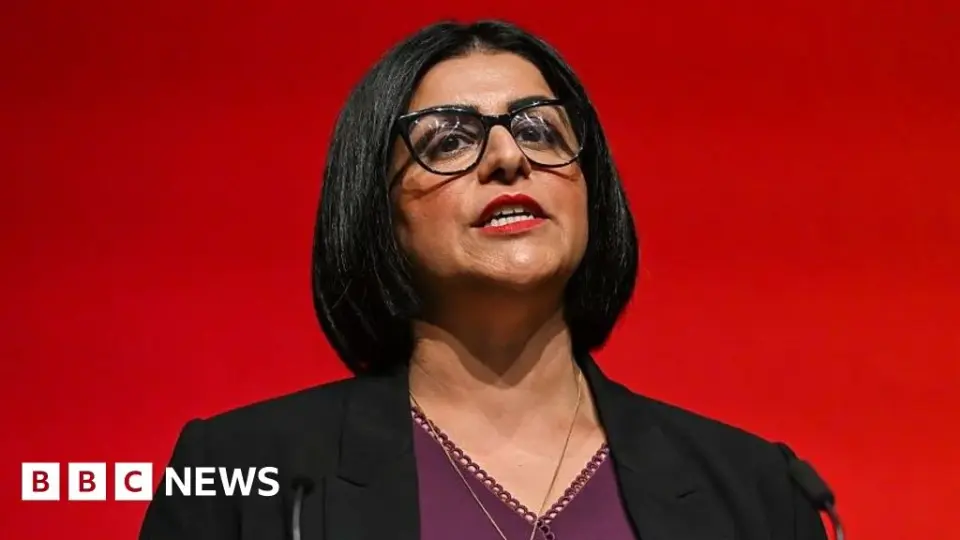
UK Home Secretary Shabana Mahmood is set to announce new guidance on police impartiality to counter the perception of 'two-tier policing.' The plan emphasizes consistent law enforcement and community engagement while warning against activist agendas. Mahmood acknowledges racial inequalities in police forces but criticizes previous anti-racism initiatives for potentially undermining impartiality, stating that fair policing requires treating everyone equally.
Key points
- Shabana Mahmood will introduce 'clear, comprehensive guidance' to ensure officers apply the law consistently, aiming to dispel the notion of 'two-tier policing' driven by 'motivated actors.'
- The new framework defines community engagement as attending residents' meetings, explicitly distinguishing this from engaging with activists who push political agendas.
- Mahmood acknowledges the persistently low proportion of black police officers but argues that some 'well-intentioned approaches,' such as the Police Anti-Racism Commitment, have risked undermining confidence in impartial policing.
- The home secretary asserts that the pursuit of equality must not lead to differential treatment, rejecting the idea that fair policing does not mean treating everyone the same.
Background
This announcement follows ongoing debates in the UK regarding racial disparities within police forces and the effectiveness of previous diversity initiatives. The archive contains no relevant background on this specific policy shift, as recent coverage has focused on unrelated topics such as Apple's iOS 27 updates, budget tech gadgets, and NFL trades.
Why it matters
The new guidance could significantly alter how UK police forces interact with communities and handle allegations of bias. By prioritizing strict impartiality over targeted anti-racism measures, the government aims to restore public trust, though critics may argue this approach ignores systemic inequalities. The move signals a shift in policing strategy, focusing on procedural consistency rather than outcome-based equality.
What to watch
Mahmood is expected to formally release the detailed guidance soon, which will likely be scrutinized by civil rights groups and police unions. The impact on recruitment and community relations will be monitored, particularly regarding the representation of black officers and public confidence in police impartiality.
Want the full story? Read the original reporting
Read on BBC