
UK Leaders Vow to Cut Welfare Bill but Avoid Timeline Before 2029 Election
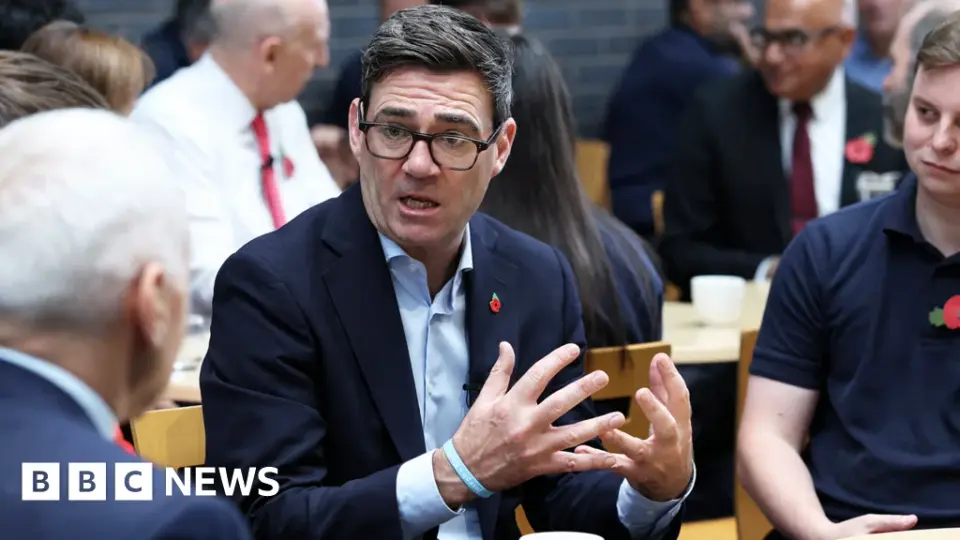
UK Prime Minister Andy Burnham and Chancellor John Healey have pledged to reduce the welfare bill 'as soon as possible' but refused to commit to specific cuts before the next general election in 2029. While Healey initially suggested a reduction would occur before the election, Downing Street clarified that no arbitrary timetable has been set. The government aims to shift people into sustainable employment rather than making 'crude cuts,' with major reforms expected following two reviews in November.
Key points
- Welfare spending is forecast to rise from £353bn in 2026 to £431bn by 2031/32, driven by pension and disability costs.
- Chancellor John Healey stated the current system is 'unsustainable' but avoided a firm timeline for cuts, citing the need for a 'Labour way' approach.
- Prime Minister Andy Burnham emphasized avoiding 'crude cuts' that could push people into crisis, focusing instead on sustainable employment.
- Two major reviews, led by Sir Stephen Timms and Alan Milburn, are expected in November to inform future welfare changes.
- Conservative leader Kemi Badenoch criticized the government for failing to address the 'out-of-control' welfare system, calling it a lack of will.
Background
This debate follows previous tensions within the Labour Party, where Sir Keir Starmer’s earlier attempts to restrict health-related benefits in June 2025 led to a mass revolt and his eventual departure. The current government is now navigating these reforms carefully, aiming to balance fiscal responsibility with political stability, as highlighted in recent archive coverage of the youth job crisis and household cost pressures.
How outlets are covering it
BBC and The Guardian report that Healey initially suggested a welfare bill reduction before the 2029 election, but Downing Street later clarified this was not a firm commitment. The Financial Times notes that Healey pledged to set out a benefit-cutting plan this year, with a white paper expected in 2027, while emphasizing the need to avoid 'crude cuts.' The Miami Herald highlights that while the budget offered short-term support for households, it did not address long-term fiscal challenges like the growing welfare bill. Conservative leader Kemi Badenoch criticized the government for 'doing little' and accused Labour of being 'addicted to welfare,' contrasting with the government's focus on sustainable employment and youth support.
Why it matters
The welfare bill is a significant portion of UK public spending, and its trajectory will impact future fiscal stability and public services. The government's approach to balancing cuts with employment support will influence economic growth, household incomes, and political stability ahead of the 2029 election.
What to watch
Two major reviews on disability benefits and youth employment are expected in November, which will inform future welfare reforms. A white paper on benefit-cutting plans is anticipated in 2027, and the government may adjust the publication of its 10-year plan from December to January to set the scene for 2027.
- Burnham says he wants to cut welfare bill 'as soon as we possibly can' BBC
- UK will reduce 'unsustainable' welfare costs, Healey says Miami Herald
- John Healey commits to set out benefits cuts this year Financial Times
- Healey Holds Off on Welfare Cuts Sparking UK Spending Questions Bloomberg.com
- Healey vows to cut welfare bill before next election with ‘tough’ approach to young people The Guardian
Want the full story? Read the original reporting
Read on BBC