The UK government will stop paying benefits to serious criminals detained in psychiatric hospitals, ending a 'double provision' loophole that allowed offenders to receive up to £800 monthly while the NHS funded their care. The move, prompted by victims' families, is expected to save tens of millions annually and affect about 2,500 current patients.
Prime Minister Andy Burnham has labeled the UK’s youth employment crisis a 'moral failure,' citing nearly one million young people not in education, employment, or training (Neets). He argues the current welfare system fails to support ambition, promising a shift toward active employment support. This stance aligns with the upcoming Alan Milburn review, which suggests redirecting funds from benefits to job training, though it risks political friction within the Labour Party. The government plans to announce 22,400 new apprenticeships and 40,000 construction placements, while Conservatives criticize Labour’s policies for hindering business hiring.
Arkansas Governor Sarah Huckabee Sanders faced unexpected criticism from conservative allies after releasing a campaign ad featuring a fictional white man named 'Brad' as the face of welfare abuse. The ad, promoting work requirements for able-bodied adults, drew accusations of dishonesty and racial insensitivity from right-wing commentators who argued that white men are statistically less likely to receive welfare than women or people of color. While Sanders defended the policy, critics claimed the portrayal mocked her core voting base and ignored demographic realities, turning a standard policy push into a partisan controversy.
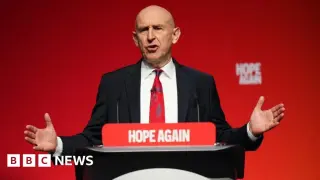
Chancellor John Healey told the Labour Party conference that providing jobs, not benefits, is the best support for young people. He announced an expansion of the Local Apprenticeships Service across England, funded by £100m in welfare fraud savings. Healey emphasized strict fiscal discipline ahead of next month’s Budget, stating that the government cannot afford the spending levels of the 1990s. While he praised youth as 'digital natives,' he refused to set a timeline for reducing the benefits bill, citing the need to address the one million young people not in education, employment, or training. The speech faced criticism from opposition parties for lacking detail on how to fund new initiatives while cutting welfare.
The UK government is set to publish a review recommending a 'needs-based' triage system for ADHD, limiting formal diagnoses to those with severe symptoms or medication needs. Critics call this 'rationing' that pushes patients to self-diagnose, while officials cite soaring welfare costs and 800,000 NHS waiting list patients. The move aims to reduce benefit claims and improve support access without a formal label, sparking debate over equity and effectiveness.
Reform UK has pledged to cut £80bn from public spending within five years, focusing on welfare, net zero policies, and civil service reductions. Treasury spokesperson Robert Jenrick indicated the party could implement some changes via statutory instruments within weeks of winning an election, bypassing the standard budget process. The party aims to retain the pension triple lock while reducing borrowing costs, though critics argue the plans lack detail and risk essential services.
Florida has become the first U.S. state to impose item-level restrictions on Temporary Cash Assistance (TCA) benefits, prohibiting recipients from using funds for non-essential items such as tattoos, vaping products, video games, and theme park admission. The policy, approved by the federal Administration for Children and Families on August 27, 2026, aligns with the Trump administration’s push for 'common-sense' guardrails on welfare spending. While the average TCA household receives approximately $250 monthly, the new rules restrict how these funds are spent at eligible retailers. The administration views Florida’s model as a best practice for other states, aiming to ensure taxpayer-funded aid covers only basic needs like food, housing, and utilities, rather than luxury or entertainment services.
The UK government is launching an independent review led by Alan Milburn to investigate the rising number of young people not in education, employment, or training (Neet), which is nearing one million. The review aims to identify causes, including health and disability barriers, and propose solutions to reduce youth inactivity and benefit dependency, with findings expected next summer.
Germany's coalition government has agreed to pursue welfare reforms and a 2027 budget, while economic forecasts for 2025 are lowered. Meanwhile, Porsche is set to return to the DAX index after a profit decline, and the far-right AfD is projected to gain significant support in Saxony-Anhalt. Additionally, media company MFE has acquired a majority stake in ProSiebenSat.1, and Germany plans to cut its contribution to the global health fund.
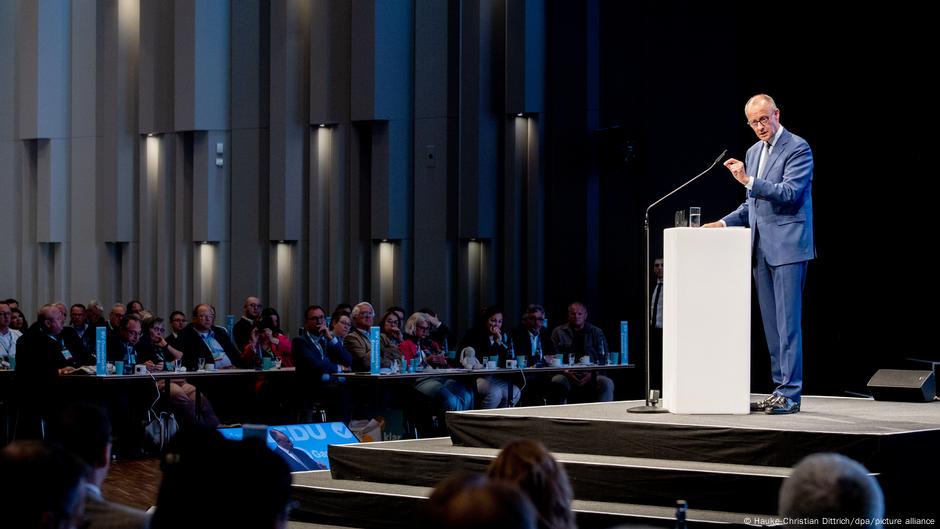
German CDU leader Friedrich Merz has called for reforming the country's social welfare system, citing unsustainable costs, while ruling out tax increases on medium-sized companies, signaling potential tensions within the coalition government and a shift towards traditional CDU voter concerns.
Scottish First Minister John Swinney criticizes the UK government's welfare reform approach as 'appalling' and highlights Scotland's decision to fund a more generous social security system through tax increases, contrasting with Westminster's austerity measures. The UK reforms faced significant opposition and were watered down, while Scotland continues to prioritize social investment despite rising costs and budget challenges.
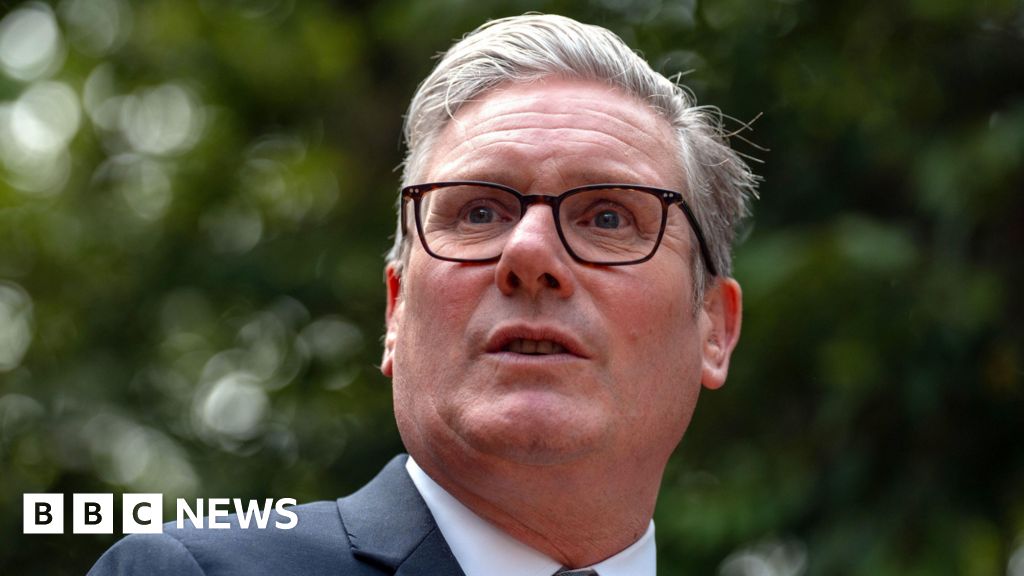
UK Prime Minister Keir Starmer's last-minute retreat on welfare reform has prevented a Labour rebellion but created a multibillion-pound hole in public finances, amid ongoing political and social tensions.
Keir Starmer faces a tumultuous parliamentary episode with his government losing control over welfare reform votes, marked by multiple U-turns, rebellious MPs, and internal chaos, reflecting broader political instability amid economic and international challenges.
British Prime Minister Keir Starmer's welfare reform bill passed in Parliament after a significant rebellion from Labour lawmakers, leading to concessions and highlighting his waning authority amid declining approval ratings and ongoing political challenges.
The rise in disability benefit claims in England and Wales, reaching nearly 4 million by 2025, is largely driven by increased mental health issues and demographic changes like rising state pension age. The government is planning reforms to the Pip benefit system, which are expected to reduce savings but may leave more people in relative poverty. The increase in claims is also possibly influenced by better awareness of benefits and economic shocks, though the exact causes remain uncertain.