
UK MPs to Vote on Assisted Dying Bill Amid Safeguard Concerns
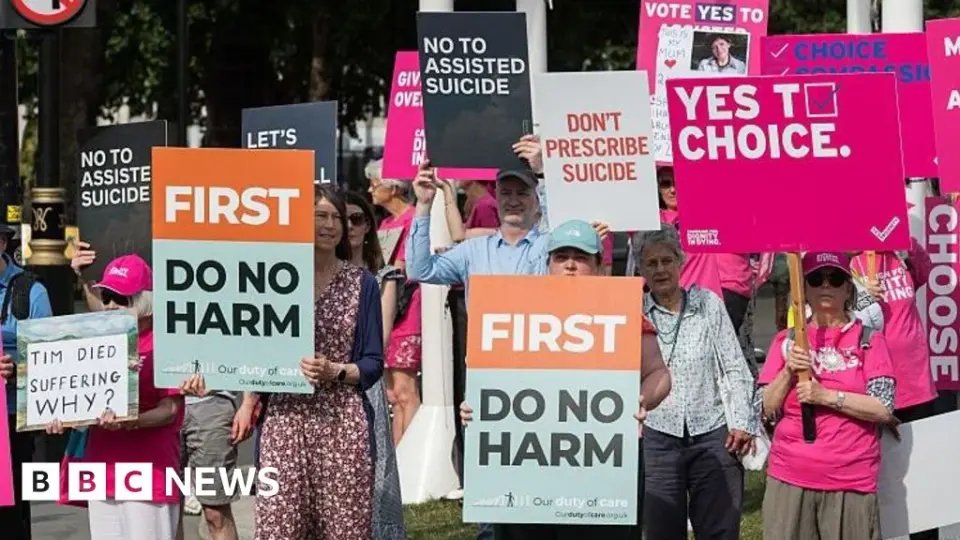
UK MPs are set to vote on a bill to legalise assisted dying in England and Wales, a measure that previously stalled in the House of Lords. The proposal allows terminally ill adults with less than six months to live to request help ending their lives, subject to safeguards including approval from two doctors and an expert panel. While supporters argue the delay causes significant human suffering, opponents and medical bodies warn the bill lacks sufficient protections for vulnerable individuals and that end-of-life care funding should be prioritized. Prime Minister Andy Burnham has stated the government will remain neutral, leaving the decision to Parliament.
Key points
- MPs will vote on the Terminally Ill Adults (End of Life) Bill on Friday, following its previous passage in the Commons in June 2025.
- The bill allows adults with fewer than six months to live to apply for assisted dying, requiring approval from two doctors and an expert panel.
- The previous attempt stalled in the House of Lords after peers tabled over 1,200 amendments, leading to accusations of delaying tactics by supporters.
- Critics, including the Royal College of Psychiatrists and Archbishop Richard Moth, argue the bill is unsafe and lacks adequate safeguards for vulnerable people.
- Prime Minister Andy Burnham has declared the government neutral on the issue, stating it is a matter for Parliament to decide.
- If the bill passes the Commons again, the Parliament Acts could prevent the House of Lords from blocking it a second time.
Background
This vote follows the previous parliamentary session where the bill cleared the House of Commons with a majority of 23 but failed to progress due to opposition in the House of Lords. In August 2026, France approved assisted dying under strict safeguards, highlighting a broader European trend in debating end-of-life legislation. The current debate in the UK is part of a recurring legislative effort to address end-of-life choices, with previous attempts facing significant hurdles in the upper chamber.
How outlets are covering it
Supporters, including Labour MP Lauren Edwards and broadcaster Dame Esther Rantzen, argue that the delay in passing the legislation causes significant human suffering and that the current law is unjust. They emphasize the need to allow terminally ill individuals to have control over their end-of-life decisions. Opponents, including Labour MP Ashley Dalton and Archbishop Richard Moth, contend that the bill lacks sufficient safeguards to protect vulnerable people from coercion and that improving palliative care funding should be the priority. Medical organizations, such as the Royal College of Psychiatrists and the Royal College of Physicians, have expressed concerns about the bill's guardrails, while hospice charities like Marie Curie and Hospice UK have highlighted the patchy access to quality end-of-life care. The Independent notes that the bill is 'unsanctionable' due to fears of poor end-of-life care, reflecting the broader debate on the adequacy of current healthcare provisions.
Why it matters
The outcome of this vote could determine whether assisted dying is legalised in England and Wales, a significant shift in end-of-life law. The potential use of the Parliament Acts to bypass the House of Lords if the bill passes the Commons again adds a layer of constitutional significance to the debate. The issue highlights ongoing tensions between individual autonomy and the protection of vulnerable populations, with implications for healthcare policy and funding.
What to watch
If MPs vote in favour of the bill, it will proceed to committee stage for amendments. If the bill passes the Commons again, the Parliament Acts could prevent the House of Lords from blocking it a second time. Supporters of assisted dying have indicated they will make another attempt to pass legislation if the vote fails. The outcome will likely depend on the number of MPs present for the vote, as it is a day when MPs are typically in their constituencies.
- MPs to vote on legalising assisted dying in England and Wales BBC
- I was given six months to live a decade ago – I’m proof assisted dying is wrong The Telegraph
- Opinion | Britain is back on the assisted-suicide brink The Washington Post
- UK lawmakers to make fresh attempt to legalise assisted dying Reuters
- Assisted dying ‘unsanctionable’ due to fears of poor end-of-life care, hospice chief says The Independent
Want the full story? Read the original reporting
Read on BBC