
UK Net Migration Drops to 77,000, Lowest Since 1997
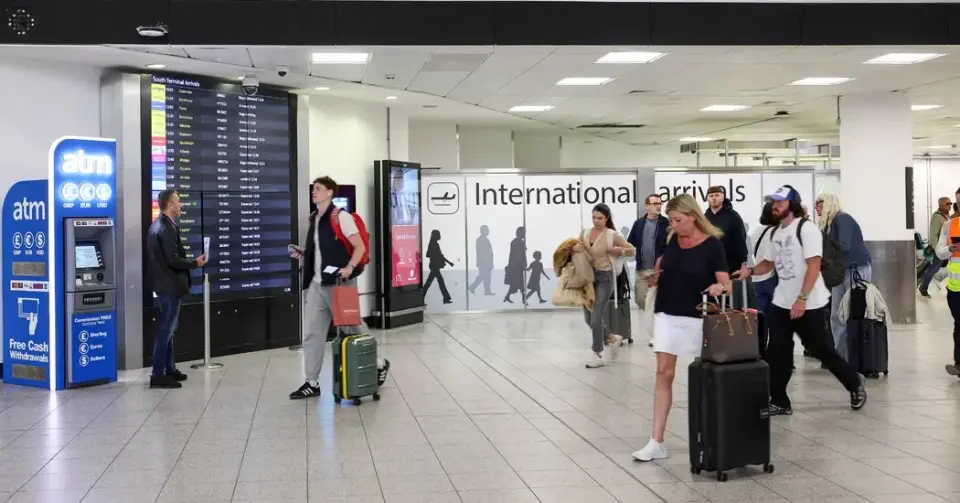
UK net migration fell to 77,000 in the year ending June 2026, the lowest level since 1997 excluding the pandemic. The sharp decline, down from 204,000 the previous year, was driven by fewer arrivals from outside Europe, particularly in work, study, and asylum categories, following strict visa restrictions implemented by recent governments.
Key points
- Net migration dropped to 77,000, down 92% from the 2023 peak of 944,000 and more than half the previous year's figure of 204,000.
- The decline was primarily driven by fewer non-EU arrivals, with work visas down 16%, study visas down 23%, and asylum claims down by 19,000.
- Small boat arrivals fell to 26,581, the lowest since 2021, though the average number of people per boat increased to 67.
- Asylum seekers in hotel accommodation dropped by 64%, with 52 hotels closed this year, though appeals against asylum decisions continue to rise.
- Emigration remained high at 661,000, with 245,000 being British nationals, driven by cost-of-living pressures and lower wages.
Background
UK net migration peaked at 944,000 in the year ending March 2023 before falling to 649,000 in 2024 and 204,000 in 2025. The current drop follows a series of visa restrictions introduced by the Conservative government in 2024, including bans on dependants for students and care workers, and higher salary thresholds. The Labour government, elected in 2024, has maintained and augmented these measures, promising to reduce net migration and control irregular migration. Emigration has been rising since 2022, with non-EU emigration jumping significantly, driven by former students and cost-of-living concerns.
How outlets are covering it
The Labour government, through Home Secretary Shabana Mahmood, credited the drop to its 'restored control' and active policy measures, stating it would not stop here. The Conservative shadow home secretary, Chris Philp, attributed the fall mainly to the previous Conservative government's changes and called for a legally binding annual cap at lower levels, criticizing Labour's high taxes and 'mass low-skilled' immigration. Reform UK's Zia Yusuf dismissed the figures as 'no cause for celebration,' arguing that recent immigration has strained public services and demanding deportations. The Migration Observatory's Ben Brindle noted the drop as an 'unusual period' but warned that the composition of immigration matters more than numbers, with falling asylum migration benefiting public finances but skilled work visa drops posing fiscal costs. Liberal Democrats called for a 'proper immigration plan' to address demographic and economic challenges.
Why it matters
The drop to 77,000 marks a significant shift in UK immigration policy, reflecting the impact of strict visa restrictions and public backlash. It has political implications, with the Labour government claiming success while opposition parties call for further controls. Economically, the decline in skilled work visas may have fiscal costs, while falling asylum migration is expected to benefit public finances. The figures also highlight ongoing tensions over immigration, with debates over caps, deportations, and the balance between legal and illegal routes.
What to watch
The Labour government has pledged to end the use of hotels to house asylum seekers by the end of the current parliament and plans to change settlement rules to require longer waits for indefinite leave to remain. The government will likely continue to monitor and adjust visa policies, while opposition parties may push for legally binding caps. Future net migration figures could fall further if emigration remains high, but experts warn the downward trend may not last indefinitely.
- Net Migration to U.K. Falls to Lowest Level Since 1997, Excluding Pandemic The New York Times
- UK net migration falls to 77,000, latest data shows Sky News
- UK net migration falls to almost three-decade low, excluding pandemic slump Reuters
- UK Migration at Lowest Level Since at Least 2012 Outside Covid Bloomberg.com
- UK net migration falls to 77,000 in year to June 2026 - lowest since 1997, outside pandemic BBC
Want the full story? Read the original reporting
Read on The New York Times