
UK Supreme Court Weighs Palestine Action Ban Amid Mass Arrests and Legal Challenges
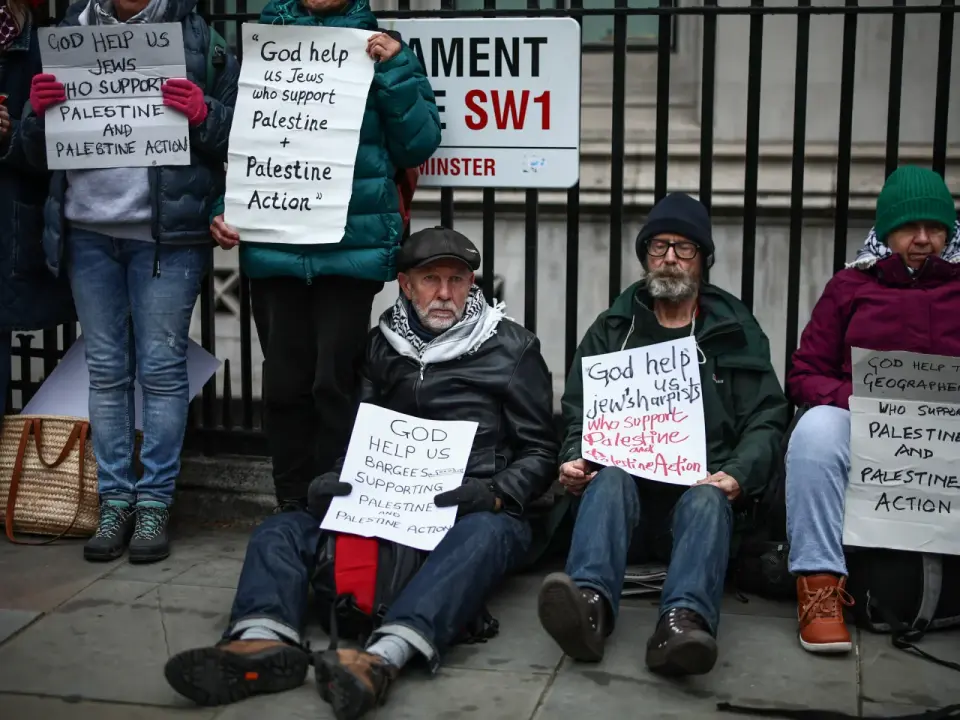
The UK Supreme Court is hearing a two-day appeal against the proscription of Palestine Action, a direct-action group designated as a terrorist organization in July 2025. Co-founder Huda Ammori argues the ban violates free speech and has led to over 4,000 arrests of peaceful protesters. The government defends the ban as necessary for national security, citing specific violent incidents, while critics call it a disproportionate misuse of counterterrorism powers. Demonstrations outside the court resulted in approximately 25 arrests, highlighting tensions over civil liberties.
Key points
- The UK Supreme Court began hearing an appeal against the proscription of Palestine Action on November 4, 2026, with the case concluding on November 5.
- Palestine Action was designated a terrorist organization by the UK government in July 2025, placing it alongside groups like al-Qaeda and ISIL.
- Co-founder Huda Ammori argues the ban criminalizes legitimate protest and has led to over 4,000 arrests of individuals supporting the group.
- The government contends the ban is proportionate, citing convictions for grievous bodily harm and significant property damage at defense firms.
- Approximately 25 protesters were arrested outside the Supreme Court during the first day of hearings, with some holding placards referencing Sarah Helm, the wife of the national security adviser.
- Amnesty International and Liberty have denounced the ban as a misuse of terrorism powers, while Jewish groups argue the group poses a threat to the community.
Background
The proscription of Palestine Action in July 2025 followed a period of increased scrutiny on pro-Palestine activism in the UK. Prior to the Supreme Court appeal, London police arrested 139 individuals on October 31, 2026, during protests against the ban. The group had previously faced legal challenges in lower courts, with the Court of Appeal upholding the ban before the current appeal. The case has drawn attention to the boundaries of counterterrorism legislation and its impact on civil liberties in the UK.
How outlets are covering it
Al Jazeera and The Guardian emphasize the disproportionate impact of the ban on free speech and the parallels between Palestine Action's tactics and historical protest movements like the suffragettes. They highlight the arrests of peaceful protesters and the criticism from rights groups like Amnesty International. The New York Times notes the government's argument that the ban was the first time a non-violent protest group was proscribed under counterterrorism laws. The BBC reports on the 'crisis of confidence' in anti-terror laws and the unprecedented civil disobedience triggered by the ban. In contrast, the government and Jewish groups argue that the ban is justified due to specific violent incidents and the group's escalating focus on targets deemed 'Zionist,' which they claim threatens the mainstream Jewish community. The sources differ in their assessment of the proportionality and legality of the proscription, with critics viewing it as an overreach and supporters seeing it as a necessary security measure.
Why it matters
The outcome of this case could set a precedent for the use of counterterrorism laws against protest groups in the UK. A ruling in favor of Palestine Action could lead to the lifting of the ban and potentially impact other proscription cases. Conversely, an upholding of the ban could further restrict civil liberties and intensify debates over the balance between national security and freedom of expression. The case also highlights the broader tensions surrounding pro-Palestine activism and its reception in the UK and internationally.
What to watch
The Supreme Court is expected to deliver its judgment at a later date after concluding the two-day hearing on November 5, 2026. The decision will determine whether the proscription of Palestine Action is lawful and proportionate. If the ban is overturned, the group may be removed from the terrorist list, potentially leading to the release of those arrested for supporting it. If upheld, the ban will remain in effect, and further legal challenges may arise. The case will also influence future applications of counterterrorism legislation to protest groups in the UK.
- UK Supreme Court hears appeal against Palestine Action’s proscription Al Jazeera
- U.K. Supreme Court Hears Challenge to Ban on Palestine Action: What to Know The New York Times
- Palestine Action activists used similar tactics to the suffragettes, court told The Guardian
- UK ban on Palestine Action is challenged at top court, some protesters arrested Reuters
- Palestine Action ban undermined confidence in anti-terror laws, Supreme Court told BBC
Want the full story? Read the original reporting
Read on Al Jazeera