
Putin Reverses Digital Sovereignty Policy as Ukraine Drone Strikes Force Underground Data Center Plans
Ukrainian drone strikes on Russian digital infrastructure have forced Moscow to abandon its strict digital sovereignty policies. President Putin signed a decree allowing companies to use foreign data centers and mandating that 10% of domestic capacity be reserved for state emergencies. Simultaneously, Russian firms are exploring underground facilities, including former coal mines, to protect AI supercomputers and cloud services from further attacks.
Key points
- Putin signed a decree on November 2, 2026, permitting Russian companies to use overseas data centers with government approval, reversing previous 'Sovereign Internet' restrictions.
- The decree requires Russian data center operators to reserve 10% of their capacity for emergency state use, with a 24-hour notice period for government access.
- Ukrainian drone strikes have damaged facilities owned by Yandex, Sberbank, VKontakte, and the Ministry of Finance, disrupting banking, e-commerce, and AI services.
- Yandex has relocated its three main supercomputers after strikes on sites in Sasovo, Kaluga, and Vladimir, though the hardware is believed to remain intact.
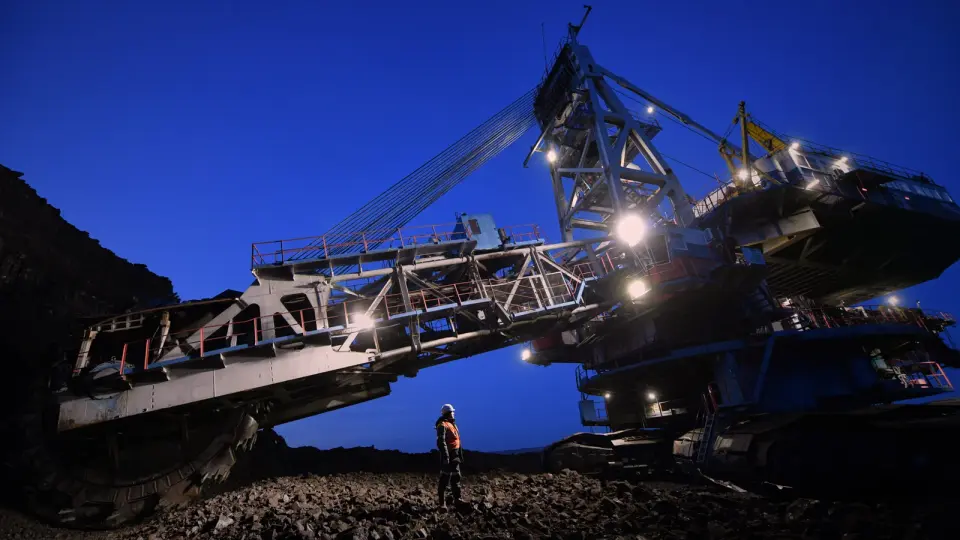
- Rostelcom is in talks with mining company Norilsk to move data centers underground, while a regional governor proposed building facilities in open-pit coal mines with parks above as camouflage.
Background
This development follows a series of Ukrainian drone strikes on Russian digital infrastructure in late 2026. Previous coverage noted attacks on Sberbank facilities in Balakovo and Yandex sites in Vladimir, which caused significant service outages. These incidents exposed the vulnerabilities of Russia's centralized 'digital sovereignty' model, which lacked international redundancy, in contrast to Ukraine's decentralized infrastructure supported by foreign cloud providers and Starlink satellites.
How outlets are covering it
Ars Technica emphasizes the physical hardening of infrastructure, highlighting plans to move data centers underground into coal mines and the strategic shift toward foreign hosting. Yahoo focuses on the regulatory and policy reversal, detailing the specific mechanics of Putin's decree, such as the 10% capacity reserve and the requirement for government approval before using overseas facilities. Both sources agree that the strikes have severely disrupted Russian digital services, but Ars Technica provides more detail on the specific companies affected, including VKontakte and the Ministry of Finance, while Yahoo highlights the global ranking of Yandex's supercomputers.
Why it matters
This marks a significant strategic shift for Russia, abandoning its long-standing policy of digital isolation in favor of pragmatic resilience. The move to underground and foreign infrastructure indicates that conventional air defenses are insufficient against Ukrainian drone campaigns, forcing a re-evaluation of critical national infrastructure security.
What to watch
Russian companies will likely seek government approval to migrate workloads to foreign cloud providers. The government will monitor the 10% capacity reserve to ensure state access during emergencies. Further Ukrainian strikes may target remaining exposed infrastructure, potentially accelerating the underground relocation efforts.
- Ukraine’s drone strikes spur hasty Russian plans for underground data centers Ars Technica
- Putin orders private data centres to set aside 10% of capacity to support IT infrastructure Reuters
- Russia Allows Use of Foreign Data Centers in Wake of Attacks Bloomberg.com
- Daily Memo: Russian Digital Security, Polish Constitutional Crisis Geopolitical Futures
- Putin says Russian companies can now use foreign data centers following wave of major Ukraine drone strikes Yahoo
Want the full story? Read the original reporting
Read on Ars Technica