
UK to Pay 4% Participation Fee to Implement EU Trade and Emissions Deals
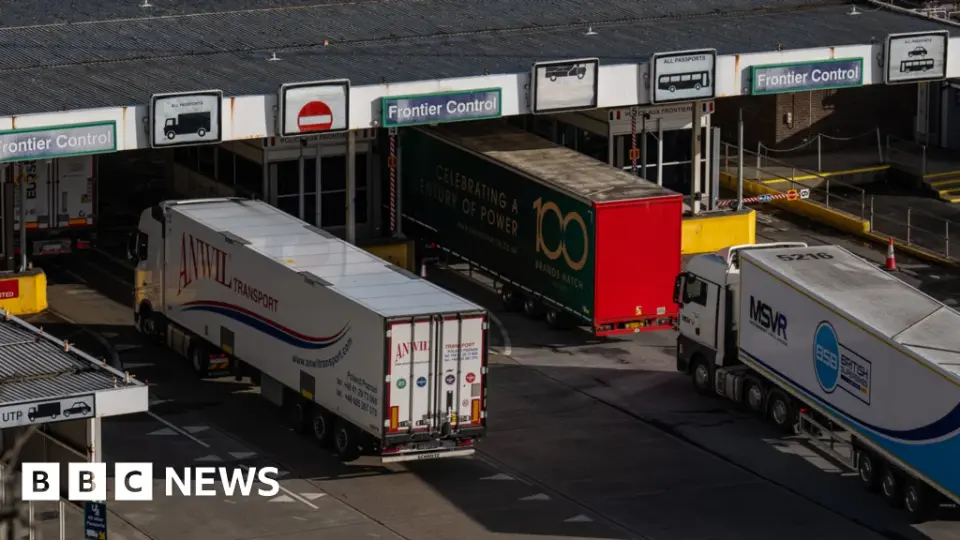
The UK government has agreed to pay a 'participation fee' to the EU to facilitate new trade and emissions agreements. Legal documents reveal that London will contribute to the running costs of EU agencies, with an additional 4% surcharge on its main contribution. The deals, negotiated by Prime Minister Andy Burnham, are scheduled to take effect in 2028 and are projected to boost the UK economy by billions annually, despite opposition criticism over the cost and the granting of broad legislative powers to the government.
Key points
- The UK will pay a 'participation fee' equal to 4% of its main contribution to cover the costs of EU agencies and systems required for the new deals.
- The main contribution mirrors the method used by EU member states, calculated in proportion to the size of the British economy relative to the EU.
- Officials estimate the total additional costs will be in the low tens of millions per year, which they argue is outweighed by predicted economic gains of billions.
- The agreements cover the re-linking of the UK to the EU's carbon trading regime and alignment with EU food standards, with a third deal on youth visas for 18-31 year olds expected soon.
- The deals are scheduled to take effect during 2028, and legal text for the youth visa agreement is expected to be published in the coming days.
Background
In late November 2026, Prime Minister Andy Burnham announced a 'reset' deal with the EU to ease trade barriers, covering food exports, emissions, and youth mobility. While the core trade and mobility measures were finalized, a dispute over tuition fees for EU students remained unresolved, though Downing Street insisted the core deals would proceed regardless. The new agreements are projected to boost the UK economy by £17 billion annually. This development follows Burnham's assumption of office in July 2026 and his push to re-engage with EU regulatory frameworks, a move criticized by opponents as undermining the 2016 Brexit vote.
Why it matters
The financial details of the UK-EU 'reset' deals reveal the tangible costs of re-engaging with EU regulatory systems, challenging the narrative that the agreements are cost-free. The 4% participation fee and operational contributions signal a new fiscal relationship with the EU, potentially setting a precedent for future regulatory alignment. Furthermore, the government's move to grant itself broad powers to implement EU laws without full parliamentary votes highlights a significant shift in legislative procedure, raising concerns about democratic oversight and the balance of power between the executive and the EU.
What to watch
Legal text for the third agreement on youth visas for 18 to 31-year-olds is expected to be published in the coming days. The full implementation of the food standards and emissions deals is scheduled for 2028. Opposition parties, including Conservative leader Kemi Badenoch and Reform UK leader Nigel Farage, are expected to continue criticizing the cost and the 'extraordinary powers' granted to the government to enact EU law without full parliamentary votes.
Want the full story? Read the original reporting
Read on BBC