
Zelensky names Umerov as Foreign Intelligence chief in latest cabinet reshuffle
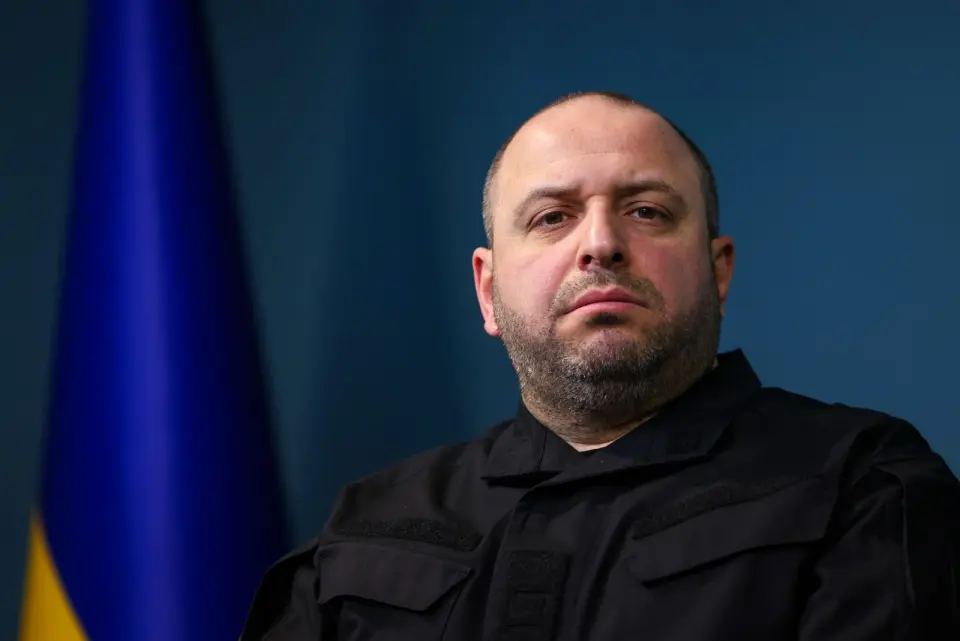
President Volodymyr Zelensky appointed Rustem Umerov as head of Ukraine's Foreign Intelligence Service on August 3, 2026, replacing acting chief Oleh Luhovyi. Umerov, previously the National Security and Defense Council secretary, will continue coordinating the Drone Deal and peace negotiations. Ihor Klymenko, former interior minister, replaced Umerov as NSDC secretary. The move is part of a broader July government reshuffle that triggered political and military crises, including the dismissal of defense minister Mykhailo Fedorov and commander-in-chief Oleksandr Syrsky.
Key points
- Zelensky signed a decree on August 3, 2026, appointing Rustem Umerov as head of the Foreign Intelligence Service (SZRU).
- Umerov will retain his role in coordinating the Drone Deal initiative and leading trilateral peace negotiations with Russia and the U.S., which have been stalled since February 2026.
- Ihor Klymenko, former interior minister, was appointed as the new secretary of the National Security and Defense Council, replacing Umerov.
- The Foreign Intelligence Service had lacked a permanent chief since January 2026, when Oleh Ivashchenko was dismissed and Oleh Luhovyi served as acting head until August 3.
- The appointments are part of a sweeping cabinet reshuffle initiated in July 2026, which included the resignation of Prime Minister Yulia Svyrydenko and the dismissal of defense minister Mykhailo Fedorov and commander-in-chief Oleksandr Syrsky.
Background
Ukraine's Foreign Intelligence Service has faced leadership instability since January 2026, when President Zelensky dismissed Oleh Ivashchenko and appointed Oleh Luhovyi as acting head. The current reshuffle follows a series of high-profile changes in July 2026, including the dismissal of the entire cabinet, the resignation of Prime Minister Yulia Svyrydenko, and the replacement of defense minister Mykhailo Fedorov and commander-in-chief Oleksandr Syrsky. These changes triggered nationwide protests and internal military tensions, with Fedorov accusing Syrsky of blocking reforms. Umerov, a long-time ally of Zelensky, has held multiple key positions, including defense minister from September 2023 to July 2025, and has been implicated in corruption scandals, including the 'Mindich tapes' investigation, though no formal charges have been brought against him.
How outlets are covering it
The Kyiv Independent emphasizes Umerov's continued role in diplomacy and defense negotiations, highlighting Zelensky's statement that Umerov has the capacity to handle these issues simultaneously. Ukrainska Pravda focuses on the political implications of the reshuffle, noting that Klymenko was previously considered for defense minister and that the changes follow a period of sweeping personnel adjustments. Kyiv Post provides a detailed timeline of the July reshuffle, including the dismissal of the cabinet, the resignation of Svyrydenko, and the subsequent appointments, while also noting the protests triggered by Fedorov's dismissal. UNN reports that People's Deputy Yaroslav Zheleznyak confirmed the appointment, noting that the idea of Umerov leading the SZRU had been discussed previously and that the U.S. ambassador role was left undecided pending partner reactions. The outlets differ in emphasis: The Kyiv Independent and Kyiv Post focus on the strategic and diplomatic implications, while Ukrainska Pravda and UNN highlight the political and procedural aspects of the reshuffle.
Why it matters
The appointment of Umerov as Foreign Intelligence chief signals Zelensky's intent to consolidate control over Ukraine's security and diplomatic apparatus amid ongoing peace negotiations and defense challenges. The reshuffle reflects a broader effort to restructure the government in response to internal crises and external pressures, including stalled trilateral talks with Russia and the U.S. The move also raises questions about the stability of Ukraine's security institutions and the potential impact on international partnerships, particularly with the U.S. and Middle Eastern allies. The continued involvement of Umerov in the Drone Deal and peace negotiations underscores the importance of these initiatives in Ukraine's war effort and diplomatic strategy.
What to watch
The next steps will likely involve the implementation of the new cabinet structure and the resumption of trilateral peace negotiations with Russia and the U.S. The success of the Drone Deal initiative and the outcome of the negotiations will be critical in determining the future of Ukraine's defense and diplomatic strategy. Additionally, the political and military stability of Ukraine will depend on the effectiveness of the new leadership and the resolution of internal tensions, including the protests triggered by the dismissal of Fedorov and Syrsky. The reaction of international partners, particularly the U.S., to the reshuffle and the continued involvement of Umerov in key negotiations will also be a significant factor in the coming months.
- President's top ally Umerov to become head of Foreign Intelligence Service, source says The Kyiv Independent
- Ukraine's top negotiator Umerov to head foreign intelligence service reuters.com
- Zelenskyy has decided to appoint former defence minister Umierov as foreign intelligence chief, sources say Українська правда
- Ihor Klymenko Named Ukraine’s New National Security Council Secretary After Cabinet Shake-Up Kyiv Post
- Umerov may be appointed head of the SZR - MP Українські Національні Новини (УНН)
Want the full story? Read the original reporting
Read on The Kyiv Independent