
U.S. to Fund $2.8B Bomb Transfer to Israel via Foreign Military Financing
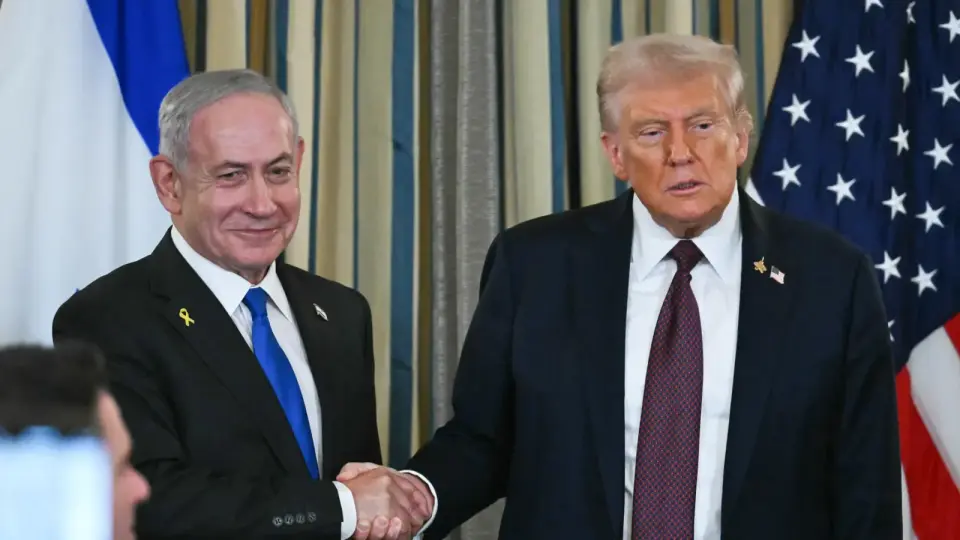
The Trump administration is preparing a $2.8 billion arms transfer to Israel, including 40,000 heavy bombs, funded through Foreign Military Financing. This mechanism uses U.S. taxpayer dollars to purchase weapons from American stockpiles, bypassing traditional revenue-generating sales. The package includes 20,000 Mk-84s and 20,000 BLU-117s, some of which are bunker-busting variants previously restricted by the Biden administration. Congressional committees have been informally notified, but the deal lacks formal legislative review, raising concerns about civilian casualties in Gaza and the erosion of oversight in U.S. military aid.
Key points
- The proposed deal values $2.8 billion and includes 40,000 bombs, split evenly between Mk-84 and BLU-117 models.
- Funding is via Foreign Military Financing, meaning U.S. taxpayers pay for the weapons rather than Israel purchasing them with its own funds.
- The package includes 'penetrator' warheads capable of destroying underground targets, which create massive craters and shrapnel.
- Congress has been informally notified but has not undergone a formal review process, limiting legislative pushback.
- The Biden administration previously paused similar bomb shipments due to concerns over mass civilian casualties in Gaza.
Background
This transfer follows a pattern of increased U.S. military support for Israel, including a $6.67 billion arms package approved in January 2026 and a nearly $3 billion sale in 2025 that bypassed standard congressional review. The current deal occurs amid ongoing tensions in Gaza, where a fragile ceasefire has not fully halted violence, and rising public opposition to U.S. military aid, with polls showing majorities against additional support.
How outlets are covering it
Rolling Stone emphasizes the financial mechanism, highlighting that the U.S. is effectively gifting taxpayer-funded weapons to Israel, and notes public opposition to such aid. NBC News focuses on the strategic and political dimensions, noting that the deal reinforces the U.S.-Israel alliance despite recent diplomatic strains over the Iran conflict. Both outlets agree on the scale of the transfer but differ in emphasis: Rolling Stone frames it as a fiscal and ethical issue, while NBC News frames it as a geopolitical signal of continued alliance strength.
Why it matters
The use of Foreign Military Financing shifts the burden of arms transfers to U.S. taxpayers, bypassing traditional revenue-generating sales and legislative oversight. This raises questions about the accountability of U.S. military aid and its impact on civilian populations in conflict zones, particularly in Gaza, where heavy bombs have been linked to mass casualties.
What to watch
The deal is not yet final, and its approval depends on whether congressional committees can leverage their informal notification to block or delay the transfer. The administration has stated that all foreign arms sales are moving through the appropriate process, but past actions suggest limited legislative influence. The outcome will signal the future of U.S. military support for Israel and the role of taxpayer-funded aid in regional conflicts.
- Trump Is Reportedly Sending Israel $2.8 Billion in Bombs. You’re Paying for Them Rolling Stone
- Trump administration approves sending powerful bombs to Israel in $2.8 billion weapons sale NBC News
- Trump administration plans $2.8 billion munitions sale to Israel, sources say Reuters
- Trump Approves $2.8 Billion Arms Sale to Israel The New York Times
- US prepares $2.8 billion bomb sale to Israel, including 20,000 MK-84s once held by Biden Ynetnews
Want the full story? Read the original reporting
Read on Rolling Stone