
Von der Leyen Revives 'Associate Member' Bid for Canada Amid EU-Canada Summit
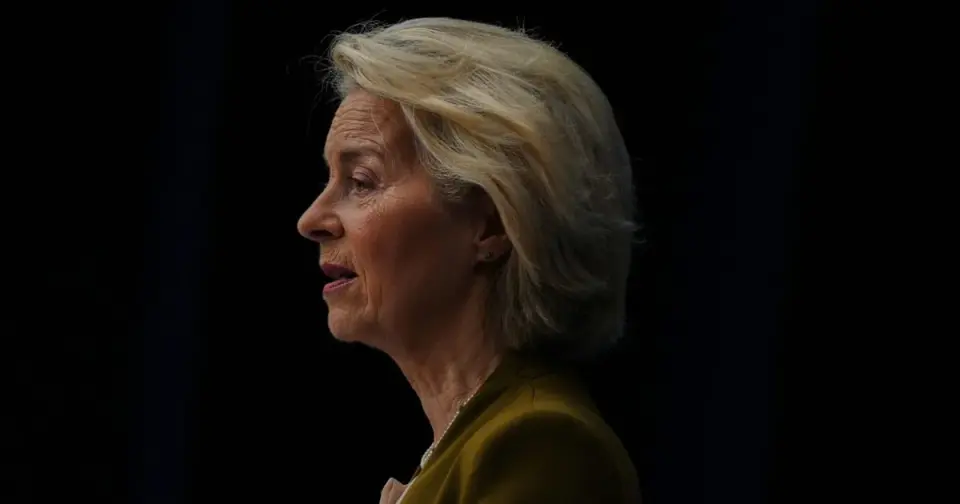
European Commission President Ursula von der Leyen reiterated her push for Canada to become the EU's first 'associate member' during a speech in Montreal, despite recent objections from member states like Germany. The move precedes a two-day summit with Canadian Prime Minister Mark Carney, aimed at deepening cooperation in defense, energy, and technology. While EU capitals have retreated to softer language like 'Alliance for the Future' to avoid legal ambiguity, von der Leyen insists the associate status is the highest level of partnership possible for a non-European nation. The initiative is driven by shared concerns over US trade policies and a desire to reduce dependence on Washington, though the final legal framework remains undefined and subject to further negotiation in 2027.
Key points
- Von der Leyen stated Canada cannot join the EU due to geography but should become the first 'associate member' to achieve the highest possible partnership level.
- German Chancellor Friedrich Merz and other EU capitals opposed the 'associate member' term, preferring 'Alliance for the Future' or 'ever closer association' to avoid undefined legal implications.
- The summit in Montreal aims to launch formal negotiations on trade, defense, critical minerals, and technology, with potential outcomes to be finalized by 2027.
- Canada will not assume full EU membership budget obligations but may contribute to specific programs, while maintaining its sovereignty and parliamentary approval processes.
- Both sides view the partnership as a response to US trade pressures and a shifting global order, seeking to reduce reliance on Washington without explicitly targeting the United States.
Background
In September 2026, von der Leyen first proposed the 'associate member' status during her State of the Union address, framing it as a response to US tariffs and a need for deeper strategic ties. Earlier this month, EU diplomats reported that Germany led efforts to remove the specific 'associate member' label from draft statements, opting for vaguer language due to concerns over legal precedents and preferential treatment for Canada over other nations like Ukraine. The current summit builds on these tensions, with Canada already participating in EU defense procurement programs and signing energy deals with Germany.
How outlets are covering it
POLITICO highlights the internal EU conflict, noting that von der Leyen's speech directly contradicted a joint statement agreed upon by member states the previous day, with diplomats calling the dispute over terminology 'silly.' AP News emphasizes the strategic context, framing the summit as a response to Trump's trade war and Canada's desire to diversify away from US dependence, while noting that the 'associate member' label may not survive the summit. BBC focuses on the practical outcomes, such as defense and critical minerals agreements, and notes that German officials are concerned about Canada receiving preferential treatment compared to other aspiring EU members like Ukraine and Moldova. All sources agree that while the terminology is contested, the commitment to deeper cooperation is unanimous.
Why it matters
The outcome of this summit will define the future structure of transatlantic relations and potentially create a new precedent for non-European partnerships with the EU. If 'associate member' status is adopted, it could reshape EU external relations and influence how other nations seek closer ties with the bloc. Conversely, the retreat to 'Alliance for the Future' may signal a more cautious approach to expanding EU influence without formal membership. The partnership also has significant implications for global trade, defense, and technology policy, as both sides seek to counter US economic pressure and adapt to a changing geopolitical landscape.
What to watch
Formal negotiations on the specific terms of the partnership will begin after the summit, with a potential endorsement of the broader framework by 2027. Canada's Parliament will need to approve any enhanced partnership, and EU member states will continue to debate the legal contours of the relationship. The next phase will likely focus on implementing sector-specific agreements in defense, energy, and critical minerals, while monitoring US reactions to the deepening EU-Canada ties.
- Von der Leyen touts ‘associate member’ status for Canada over objections of EU capitals POLITICO.eu
- Carney hosts EU leaders as Trump pushes Canada toward Europe AP News
- EU chief lays out vision for new Canada partnership at Montreal summit BBC
- EU Executive Seeks Canadian Associate Membership Despite Dissent Bloomberg.com
- Canada, European Union officials drop 'associate member' from joint summit declaration Reuters
Want the full story? Read the original reporting
Read on POLITICO.eu