
Moscow pitches multipolar vision to 48 African delegations at third summit
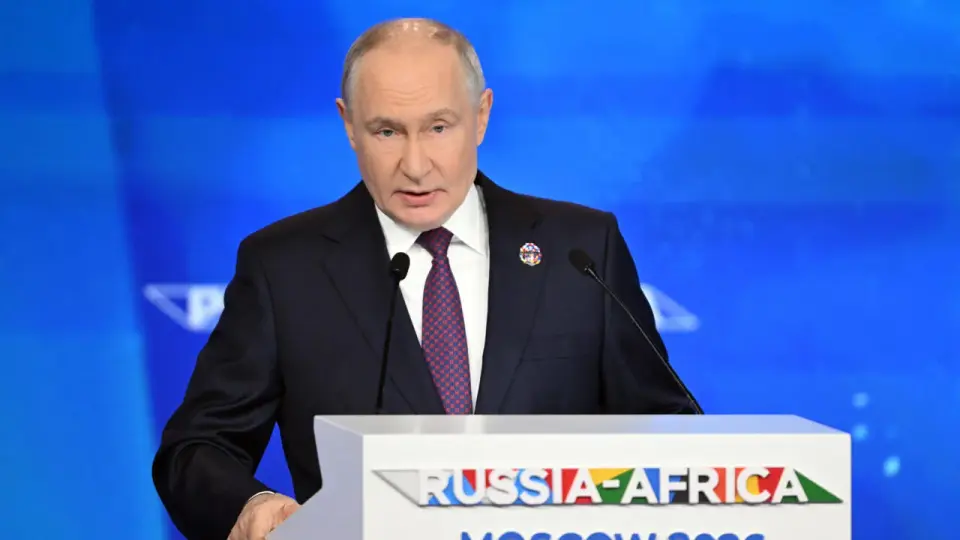
Russian President Vladimir Putin hosted the third Russia-Africa Summit in Moscow on October 28, 2026, aiming to expand Moscow's influence across the continent. The two-day event brought together delegations from 48 African nations, including 22 heads of state, to discuss trade, security, and grain supplies. While Putin framed the gathering as a step toward a multipolar world and promised increased agricultural exports and infrastructure cooperation, analysts note that Russia's economic incentives remain limited compared to China and the European Union. The summit highlights Moscow's reliance on military partnerships, particularly with Sahel juntas, to counter Western influence despite ongoing scrutiny over its recruitment of African fighters for the war in Ukraine.
Key points
- The third Russia-Africa Summit took place in Moscow on October 28, 2026, attended by 48 delegations and 22 heads of state.
- Putin accused Western nations of neo-colonial exploitation and debt bondage, positioning Russia as a partner for local production and digital know-how.
- Russia supplied 13 million metric tonnes of agricultural products to Africa in the first nine months of 2026, with plans to expand grain and fertilizer exports to more than 40 countries.
- Approximately 40,000 Africans are currently studying at Russian universities, a figure Putin cited to demonstrate cultural and educational ties.
- Moscow's influence in the Sahel relies on the Africa Corps, with estimates suggesting 1,700 to 2,000 Russian contractors operate in Mali, Burkina Faso, and Niger.
- Analysts argue that political incentives, rather than economic ones, drive African attendance, as Russia's 2025 trade volume with Africa was only $28 billion compared to China's $348 billion.
Background
The Russia-Africa Summit was first held in 2019 in Sochi, followed by a second edition in St. Petersburg in 2023. The 2023 summit saw fewer heads of state attend, with only 17 present, as Russia offered free grain to six African countries. Recent developments include the transition from the Wagner Group to the state-controlled Africa Corps in the Sahel, and ongoing disputes over uranium mining rights in Niger following the departure of French operators. Archive reports also note that while Moscow seeks to expand its footprint, its economic engagement remains modest compared to other global powers, and concerns persist regarding the recruitment of African soldiers for the war in Ukraine, with 502 African deaths documented by June 2026.
How outlets are covering it
France 24 emphasizes Putin's rhetoric against Western colonialism and his promise of local production and job creation, framing the summit as a strategic move to counter Western pressure. AP News highlights the geopolitical shift toward a multipolar world and notes the significant voting power of Africa's 54 nations at the United Nations, while also detailing the military presence of the Africa Corps in the Sahel. Al Jazeera offers a critical perspective, arguing that Russia's economic incentives are limited compared to China and the EU, and that political incentives drive attendance. It also raises concerns about the human cost of Russian military involvement, citing the recruitment of African fighters for the Ukraine war and allegations of human rights abuses by Africa Corps forces in Mali. The outlets differ in their assessment of Russia's offer: France 24 and AP News focus on the stated benefits of trade and security, while Al Jazeera questions the sustainability and ethical implications of these partnerships.
Why it matters
The summit underscores the intensifying competition for influence in Africa among global powers, with Russia leveraging security partnerships and limited economic incentives to counter Western dominance. The event signals a shift in geopolitical dynamics, as African nations seek to assert their role in a multipolar world. However, the reliance on military support for political stability, particularly in the Sahel, raises concerns about long-term development and human rights. The summit also highlights the gap between Russia's rhetorical promises and its actual economic capacity, which remains far behind that of China and the European Union. This divergence may limit the effectiveness of Moscow's strategy in the long term, as African nations weigh the costs and benefits of aligning with a sanctioned state against the tangible investments offered by other partners.
What to watch
The summit is expected to finalize a partnership plan for 2027-2029, focusing on trade, security, and technology. Russia aims to expand grain and fertilizer exports to more African countries and increase infrastructure cooperation. However, the effectiveness of these plans will depend on Moscow's ability to overcome economic constraints and Western sanctions. In the Sahel, the presence of the Africa Corps may continue to support junta-led governments, but concerns over human rights abuses and the recruitment of African fighters for the Ukraine war may face increased scrutiny. African nations will likely continue to balance their relationships with Russia, China, and the West, seeking the best terms for their development and security.
- Putin woos African leaders as Moscow seeks to expand footprint in Africa France 24
- Putin woos African leaders, says Russia a better partner than 'colonial' West Reuters
- Russia in Africa: What does Putin hope to achieve? DW.com
- Putin seeks to expand ties with African countries at Russia-Africa summit AP News
- ‘Economic incentives are limited’: What does Russia really offer Africa? Al Jazeera
Want the full story? Read the original reporting
Read on France 24