
WhatsApp 'Lula's Army' credited with powering Brazil's unlikely election comeback
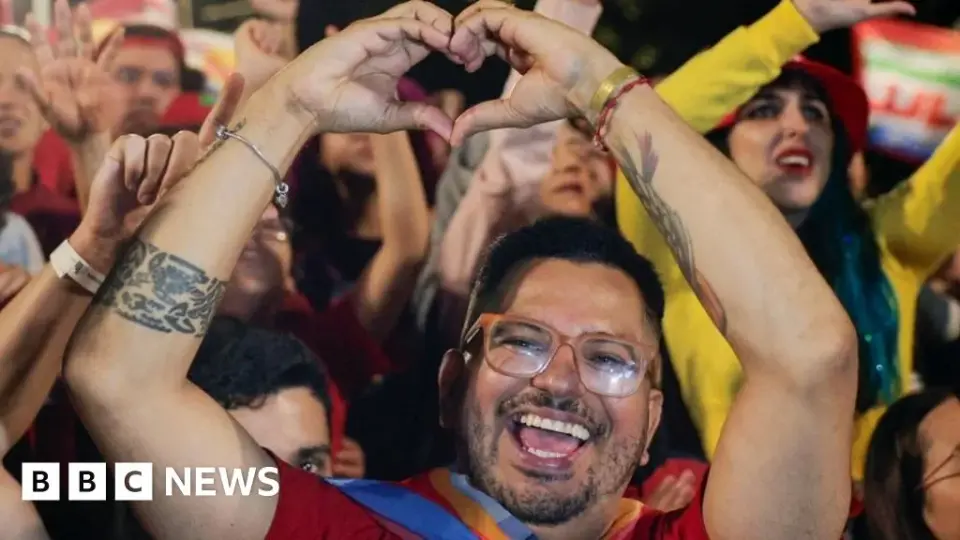
Brazilian President Luiz Inácio Lula da Silva secured a fourth term after a dramatic three-week comeback from a first-round deficit. Allies credit a massive WhatsApp mobilization effort, led by Congressman André Janones, for reversing the trend against Flávio Bolsonaro. While Lula's victory speech praised the digital push, experts argue that grassroots street mobilization and a strategic shift in messaging were equally critical to the outcome.
Key points
- Lula won the October 25, 2026 runoff, reversing a deficit from the October 4 first round where Flávio Bolsonaro led with 47% to Lula's 45%.
- A WhatsApp channel named 'Lula's Army,' led by Congressman André Janones, grew to 10.8 million followers between the two rounds.
- The channel used ready-made templates and urgent instructions to encourage supporters to share videos, promote hashtags, and recruit voters.
- Janones hosted a 24-hour 'turnaround livestream' on the eve of the election to maintain momentum despite polls favoring Bolsonaro.
- Lula referred to Janones as 'our General' in his victory speech, crediting him with raising morale and boosting social media visibility.
- The effort marked a significant shift, as the left had previously struggled to match the conservative dominance on digital platforms since 2018.
Background
Following the October 4, 2026 first round, Flávio Bolsonaro defied polls to lead Lula by a narrow margin, forcing a runoff. The initial results signaled a potential rightward shift in Latin America, driven by polarization, economic anxiety, and corruption scandals. The subsequent three-week campaign period saw Lula's team pivot from a moderate image to an aggressive digital and grassroots strategy to counter the momentum of the Bolsonaro camp.
Why it matters
The election outcome demonstrates the critical role of digital mobilization in modern Brazilian politics, challenging the long-standing dominance of conservative networks on platforms like WhatsApp. Lula's pledge to integrate digital communication into governance suggests a lasting shift in how the government will engage with citizens. The victory also highlights the importance of combining online enthusiasm with physical street-level mobilization to reduce abstention and persuade undecided voters, setting a precedent for future political campaigns in the region.
What to watch
Lula will face a hostile congress and a divided country as he begins his fourth term. He has pledged to give people a greater say in decision-making and to increase the role of digital communication in government. The 'Lula's Army' network may continue to serve as a tool for political engagement and mobilization in upcoming legislative battles.
Want the full story? Read the original reporting
Read on BBC