
Violence and Border Lockdowns Escalate as Ebola Crisis Spreads Across Africa
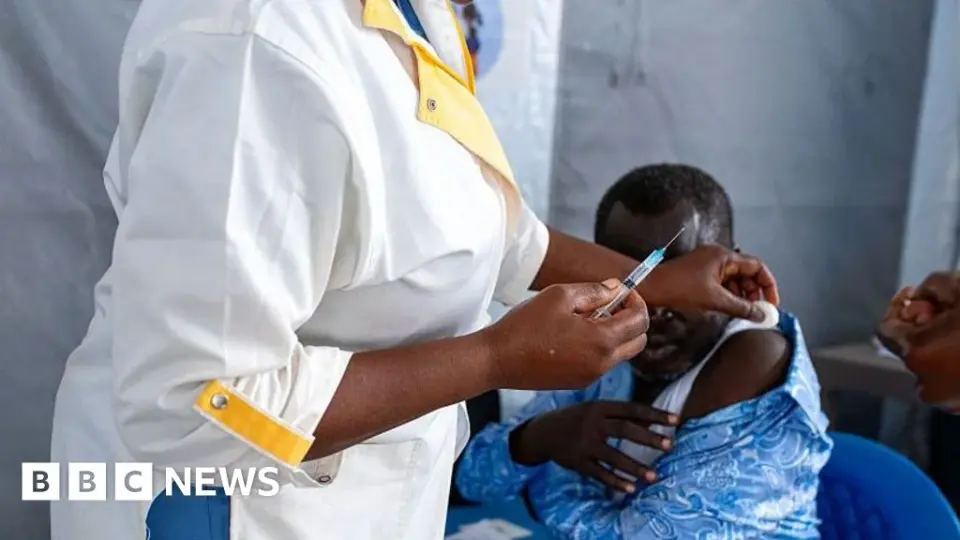
A nurse was killed and a colleague injured in an attack in eastern DR Congo as health workers responded to an Ebola alert. Simultaneously, Uganda imposed strict border controls, including a 21-day quarantine for returning citizens, after cases were detected in Kenya and Nigeria. The current outbreak, caused by the rare Bundibugyo strain, has infected nearly 10,000 people and killed over 4,700 since May, with no approved vaccine available.
Key points
- A nurse died and another health worker was seriously injured in Bafwasende, Tshopo province, DR Congo, after local youths attacked them, accusing them of contaminating water and spreading Ebola.
- Uganda banned non-essential travel to and from DR Congo and mandated a 21-day quarantine at personal cost for its citizens returning from the region.
- The WHO condemned the violence, emphasizing that healthcare personnel must work in safety and dignity, while noting that misinformation and fear are fueling attacks.
- The Bundibugyo strain of Ebola, responsible for the current crisis, has no approved vaccine or specific treatment, though clinical trials are underway.
- Two recent cases in Kenya and Nigeria involved individuals who had transited through Uganda, prompting heightened surveillance despite Uganda declaring itself Ebola-free in August.
Background
This incident follows a pattern of violence against health responders in DR Congo, including the death of a politician in September who advocated for Ebola prevention measures. The outbreak, which began in May, has been the deadliest in the country's history. Earlier in October, Kenya and Nigeria reported their first cases linked to the current outbreak, highlighting cross-border transmission risks. The Bundibugyo strain is rare, and previous outbreaks have faced significant challenges due to community distrust and logistical hurdles in remote areas.
How outlets are covering it
BBC and AP News both report the attack in Bafwasende and the WHO's condemnation, but AP emphasizes the broader context of community distrust and previous violent incidents, such as the beating of a politician. Al Jazeera highlights the geographic spread of the outbreak to four countries and the WHO's recent advice against travel restrictions, contrasting with Uganda's new measures. BBC provides detailed information on the Nigerian patient, a Swiss diplomat's wife, and the subsequent quarantine protocols in Uganda, while AP and Al Jazeera focus more on the local response and the lack of a vaccine. All sources agree on the severity of the outbreak and the challenges posed by misinformation and violence.
Why it matters
The attack on health workers in DR Congo and the subsequent border restrictions by Uganda underscore the fragility of public health responses in the region. The lack of a vaccine for the Bundibugyo strain and the spread of the virus to multiple countries highlight the need for coordinated international efforts and community engagement to contain the outbreak. The violence against health workers threatens to exacerbate the crisis by hindering response efforts and increasing community distrust.
What to watch
Uganda will enforce its new border controls and quarantine measures, while the WHO and other international bodies will continue to monitor the outbreak and support response efforts. Clinical trials for a Bundibugyo vaccine are ongoing, and authorities in affected countries will work to trace the movements of recent cases to prevent further spread. Community engagement and misinformation campaigns will be critical to reducing violence and improving cooperation with health workers.
- Ebola outbreak: DR Congo nurse killed in attack as Uganda tightens border BBC
- Attackers kill nurse, severely injure health worker responding to Ebola case in eastern Congo AP News
- Nurse accused of spreading Ebola murdered by mob The Telegraph
- Attackers kill nurse, injure health worker responding to DRC Ebola case Al Jazeera
- Nurse Killed in Attack; Orthopedist's Drug Charges; Lung Cancers in Non-Smokers MedPage Today
Want the full story? Read the original reporting
Read on BBC