
Zelenskyy Rejects Wartime Election Call, Citing Risk of National Fracture
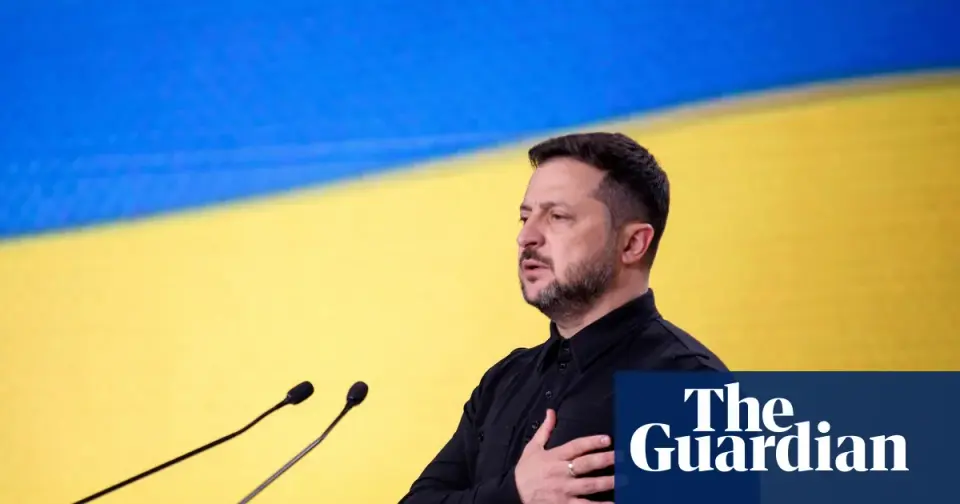
President Volodymyr Zelenskyy has publicly rejected calls for a wartime election in Ukraine, warning that holding a vote during active conflict would 'destroy' the country by splitting the nation. The statement responds to a challenge from former Defense Minister Mykhailo Fedorov, who was dismissed in July and recently urged a vote to restore democratic legitimacy. Zelenskyy emphasized that Russia’s increasing use of ballistic missiles and potential mobilization of 300,000 additional soldiers make elections impractical and dangerous. While he acknowledged the need for democratic renewal, he stated that elections could only occur if international allies guaranteed security conditions, including protection from strikes and access for soldiers and refugees. The dispute highlights a rift between Zelenskyy’s focus on military survival and Fedorov’s push for political transparency, occurring amid a $27 billion defense funding gap and ongoing corruption investigations involving senior officials.
Key points
- Zelenskyy stated that elections during wartime are a 'tsunami' that would split Ukraine, rejecting Fedorov’s demand for a vote.
- Fedorov, dismissed in July, argued that democracy should not be held hostage by Russia, despite Ukrainian law banning elections under martial law.
- Zelenskyy noted that Russia is stockpiling 600-630 ballistic missiles and may mobilize 300,000 more soldiers after September parliamentary elections.
- Ukraine faces a $27 billion defense budget shortfall for 2026, with Patriot interceptor missile supplies dropping to 264 this year from 675 in 2023.
- Zelenskyy linked Fedorov’s dismissal to a dispute over Starlink usage in Russian territory, claiming the former minister misled him about SpaceX’s approval.
Background
This dispute follows Fedorov’s dismissal in July, which sparked protests that ended after his replacement was confirmed. Earlier coverage noted that while Fedorov is popular for his drone warfare innovations, Zelenskyy remains broadly popular as a war leader. The current debate occurs as Ukraine faces significant financial pressures and ongoing corruption probes, including a money laundering case involving a senior presidential aide.
How outlets are covering it
The Guardian and NBC News emphasize Zelenskyy’s security concerns, highlighting the logistical impossibility of elections amid Russian missile strikes and the risk of national division. Al Jazeera notes that while experts agree elections are practically impossible, Fedorov’s call reflects a 'systemic crisis of governance' and public desire for transparency. The BBC focuses on the corruption angle, with Fedorov questioning Zelenskyy’s awareness of a money laundering scheme involving a senior aide, while Zelenskyy’s office dismisses the claims as inconsistent with Fedorov’s past silence on similar issues. All sources agree that Ukrainian law currently prohibits elections during martial law, but they differ on whether the political pressure will force a change in policy or if the war will continue to justify the suspension of democratic processes.
Why it matters
The conflict between Zelenskyy and Fedorov tests the limits of democratic governance in wartime Ukraine. If Zelenskyy’s stance prevails, it prioritizes military stability over political renewal, potentially deepening public frustration. If Fedorov’s pressure succeeds, it could reshape Ukraine’s political landscape but risks destabilizing the country during a critical phase of the war. The outcome will influence future Western support, as allies like France and Germany are already adjusting defense commitments in response to Ukraine’s shifting political and military needs.
What to watch
Ukraine’s allies in the 'coalition of the willing' will meet on Monday to discuss increasing pressure on Moscow. Zelenskyy expects Russia to attempt a major offensive in the Donbas region by year's end, while Ukraine seeks to secure additional Patriot missiles and alternative satellite communications to counter Russian advances. The political dispute may continue to simmer, with Fedorov planning a visit to the US to meet Elon Musk, potentially influencing future defense technology and diplomatic relations.
- Holding election in wartime would risk destroying Ukraine, says Zelenskyy The Guardian
- Zelenskyy says wartime elections could ‘destroy’ Ukraine Al Jazeera
- Zelensky has 'questions to answer' about corruption in his government, sacked minister tells BBC BBC
- Zelenskyy details rift with dismissed defense minister, saying some of his actions were misguided NBC News
- Is the tide at home turning against President Zelensky? The Times
Want the full story? Read the original reporting
Read on The Guardian