
Research suggests cynicism is a costly cognitive bias, not a sign of intelligence
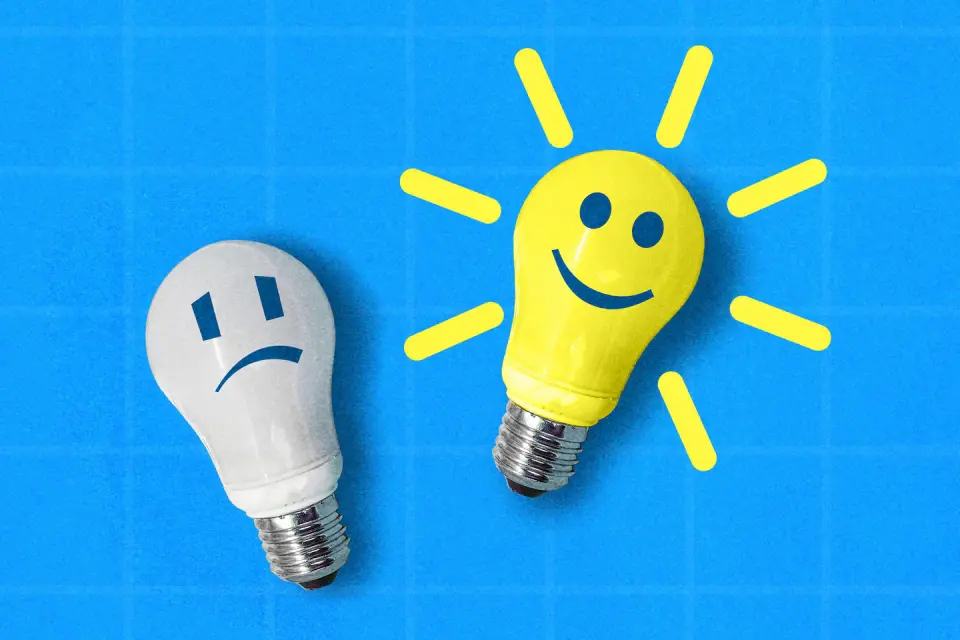
New research challenges the popular belief that cynicism is a marker of high intelligence. While Americans report lower trust in one another and global cynicism is rising, studies indicate that cynical individuals often earn less and are less competent than they appear. The concept of 'hopeful skepticism' suggests that approaching the world with a scientific mindset, rather than a defensive legal one, leads to better personal and societal outcomes.
Key points
- Cynicism, defined as distrusting others and assuming self-interest, is increasingly common globally.
- Research by psychologists Jamil Zaki and Olga Stavrova links cynicism to lower earnings and reduced competence.
- People frequently underestimate the altruism of others, leading to a distorted view of human behavior.
- Adopting 'hopeful skepticism' can improve health, trust, and overall well-being.
Background
The Washington Post previously highlighted the decline in American trust and the rise of cynicism in a 2025 column by Kyle Melnick, who noted that despite being a cynic, certain stories restored his hope for humanity. Another 2025 article by Dana Milbank discussed how daily wonder improves health, aligning with the current focus on positive psychological frameworks.
Why it matters
Understanding the negative impacts of cynicism on economic and social well-being is crucial for fostering healthier communities. Recognizing that cynicism is not a sign of intelligence but a barrier to trust and cooperation can help individuals and societies navigate uncertainty more effectively.
What to watch
Further research may explore practical strategies for cultivating hope and reducing cynicism, potentially influencing public health initiatives and social policies aimed at rebuilding trust.
Want the full story? Read the original reporting
Read on The Washington Post