
Archbishop Mullally reaffirms £100m slavery reparations fund during Ghana tour
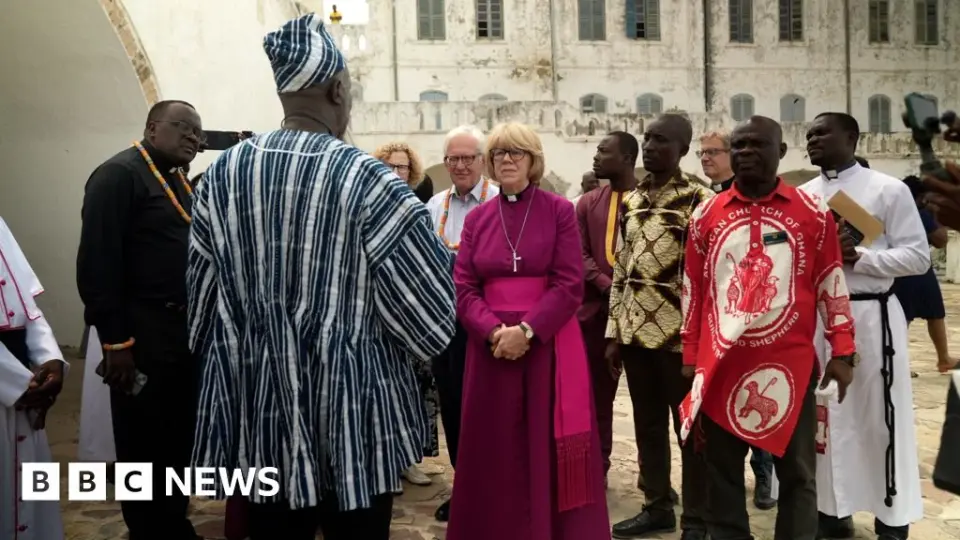
Archbishop of Canterbury Dame Sarah Mullally has reaffirmed the Church of England’s commitment to a controversial £100m fund for communities affected by the transatlantic slave trade. Speaking at Cape Coast Castle in Ghana, she acknowledged the church’s historical complicity in slavery and emphasized that repentance requires tangible action. This visit is her first pastoral trip to Africa since becoming the 106th archbishop in March 2026. While the fund faces internal opposition from some conservative MPs and critics who argue the amount is insufficient, Ghanaian officials have praised the gesture as a significant step toward global reparative justice.
Key points
- Dame Sarah Mullally visited Cape Coast Castle in Ghana, where she toured dungeons and the 'Door of No Return' used during the slave trade.
- She pledged continued support for the £100m fund established three years ago to support investment, research, and engagement in affected communities.
- The visit included meetings with Ghanaian President John Mahama and Asantehene Otumfuo Osei Tutu II, the traditional ruler of the Asante people.
- Mullally opened a new clinic at St. Monica’s Nursing and Midwifery Training College in Mampong, named in her honor, during the 10-day tour.
- The Church of England previously apologized for its role in slavery, including using missionary funds to support slave-farmed plantations in the Caribbean.
Background
The Church of England established the £100m reparations fund three years ago following an audit that revealed historical investments in slave-trading companies. This follows a broader pattern of institutional apologies, such as the 2026 apology regarding forced adoptions in the 1950s and 1960s. Ghana has been leading a global campaign for reparations, hosting a conference with over 80 heads of state last month. The current fund has faced criticism from some quarters for being too small, with some groups calling for £1bn, while others argue the money should be redirected to clergy wages.
How outlets are covering it
BBC and The Guardian highlight the emotional and symbolic weight of Mullally’s visit to Cape Coast Castle, emphasizing her acknowledgment of the 'evil' of slavery. The Episcopal News Service focuses on the practical and spiritual aspects of the tour, such as the opening of the nursing college and the theological dialogue with the Asantehene. The Archbishop’s official website provides the full text of her homily, framing the visit as a stewardship of spiritual treasures. There is a noted divergence in reception: while Ghanaian foreign minister Samuel Okudzeto Ablakwa praised the move, some local critics like accountant Kenneth Mordzro argued the church should also return looted gold and artifacts. Additionally, internal church opposition from Conservative MPs, who suggested the funds should pay clergy wages, contrasts with the archbishop’s firm commitment to the reparations program.
Why it matters
The reaffirmation of the £100m fund signals the Church of England’s continued engagement with historical accountability and reparative justice, despite internal political and ideological resistance. It underscores the growing global pressure, particularly from African nations like Ghana, for Western institutions to address the legacy of colonialism and slavery. The visit also highlights the evolving role of the Anglican Communion in bridging historical ties with West Africa through both spiritual and material support.
What to watch
The fund is expected to proceed with its program of investment and research in affected communities. Mullally’s tour continues to Cameroon, where she will visit Douala, Buea, and Limbe. The Church will likely face ongoing scrutiny regarding the adequacy of the £100m amount and the broader question of returning looted artifacts, as raised by local critics in Ghana.
- Archbishop of Canterbury committed to £100m slavery fund BBC
- Archbishop of Canterbury vows to support £100m pledge helping communities affected by enslavement The Guardian
- Archbishop of Canterbury opens clinic, meets with Asante King in Ghana Episcopal News Service
- Archbishop of Canterbury's homily at Evensong Service, Manhyia Palace, Kumasi Archbishopofcanterbury.org
- First female archbishop of Canterbury visits Asante king in Ghana Yahoo
Want the full story? Read the original reporting
Read on BBC