
120-Year-Old Taxidermy Bear in Essex Aids Forensic Research to Combat Wildlife Poaching
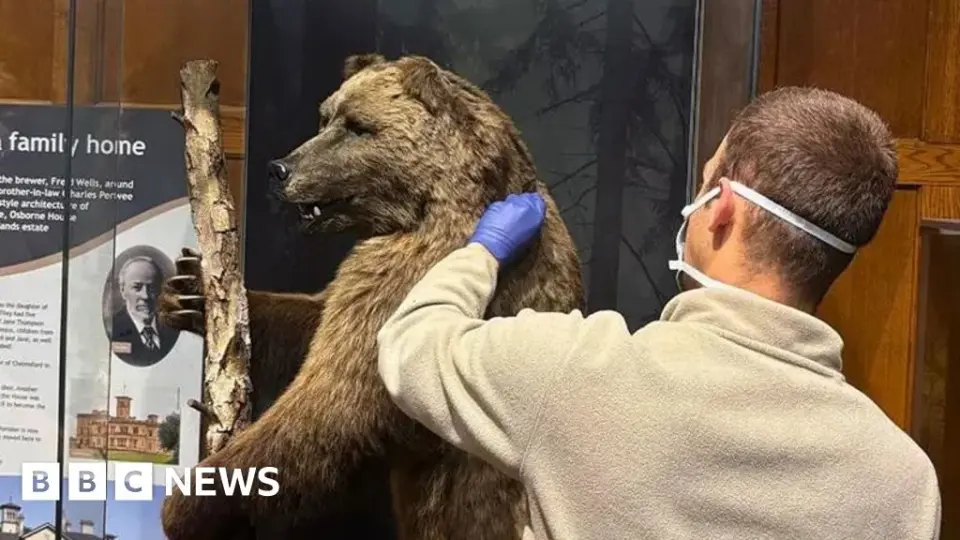
A forensic science graduate at the University of Staffordshire is using hair samples from a 120-year-old taxidermy bear at the Museum of Chelmsford to develop cost-effective methods for identifying animal hairs in wildlife crime investigations. The research aims to create reliable alternatives to DNA analysis to help protect brown bears from illegal poaching and trafficking.
Key points
- Hayden Leigh, a forensic science graduate at the University of Staffordshire, is analyzing the fur of 'Boris,' a taxidermy brown bear at the Museum of Chelmsford, to improve wildlife crime detection methods.
- The research focuses on microscopic analysis of hair cuticles, layers, and DNA to create a more accessible and cost-effective identification tool compared to standard DNA testing.
- Boris, which arrived at the museum in 1932 as part of a bequest from a local game hunter, serves as the institution's unofficial mascot and a popular exhibit.
- Leigh previously contacted approximately 30 zoos and museums for assistance before the Museum of Chelmsford agreed to lend the specimen for ethical and controlled study.
- The project seeks to expand forensic research beyond domestic animals like dogs and cats to address the illegal hunting and trafficking of wild species, particularly brown bears found in regions like Romania, Bulgaria, and Russia.
Background
This development highlights the growing scientific utility of historic museum collections in modern conservation efforts. While previous archive entries focused on wildlife photography competitions and unrelated sports injuries involving teams named the Bears, this story connects the concept of bear conservation to tangible forensic applications. The use of preserved specimens offers a non-invasive alternative to studying live animals, aligning with broader trends in ethical scientific research and the repurposing of controversial taxidermy exhibits for educational and protective purposes.
Why it matters
The research addresses a critical gap in wildlife crime investigations by offering a cheaper and more accessible method for identifying animal hairs. By leveraging existing museum collections, scientists can develop forensic tools that help combat the illegal poaching and trafficking of endangered species without requiring the capture or disturbance of live animals, potentially strengthening legal cases against wildlife criminals.
What to watch
The University of Staffordshire and the Museum of Chelmsford will likely continue to collaborate on this project, with findings potentially leading to new forensic standards for wildlife crime detection. The success of this approach could encourage other institutions to share their taxidermy collections for similar scientific research, expanding the database of reference materials available to investigators.
Want the full story? Read the original reporting
Read on bbc.com