
Iceland's Volcanic Landscape: A Dynamic Transformation.
TL;DR Summary
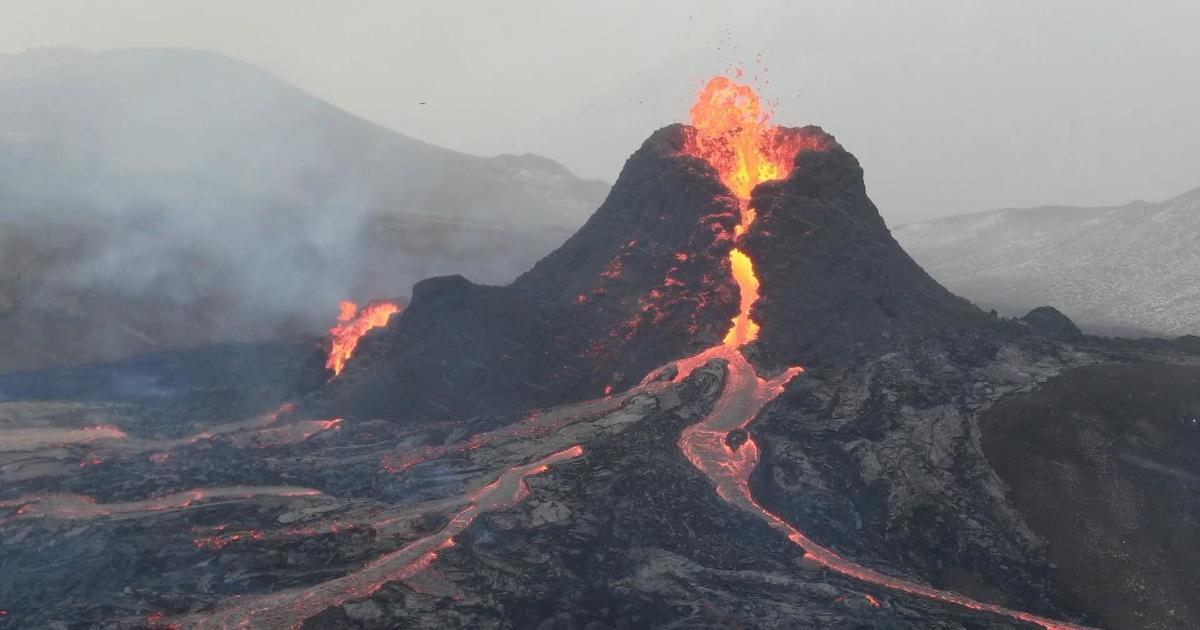
Scientists studying the Geldingadalir volcano eruption in Iceland have made startling discoveries, including a seismic decline before an eruption, which could help forecast future eruptions. The lava field left behind by the eruption is still scorching hot, with molten rock still at 1,800 degrees Fahrenheit. The eruption spewed out the largest mix of lavas ever recorded, which cooled in different shapes, including smooth, gnarled, and taut like rope. The retreat of glaciers in Iceland is causing more magma to be formed under Iceland than normal, increasing the possibility of eruptions.
Reading Insights
Total Reads
0
Unique Readers
8
Time Saved
10 min
vs 11 min read
Condensed
96%
2,130 → 90 words
Want the full story? Read the original article
Read on CBS News