science-and-environment2.33 min read
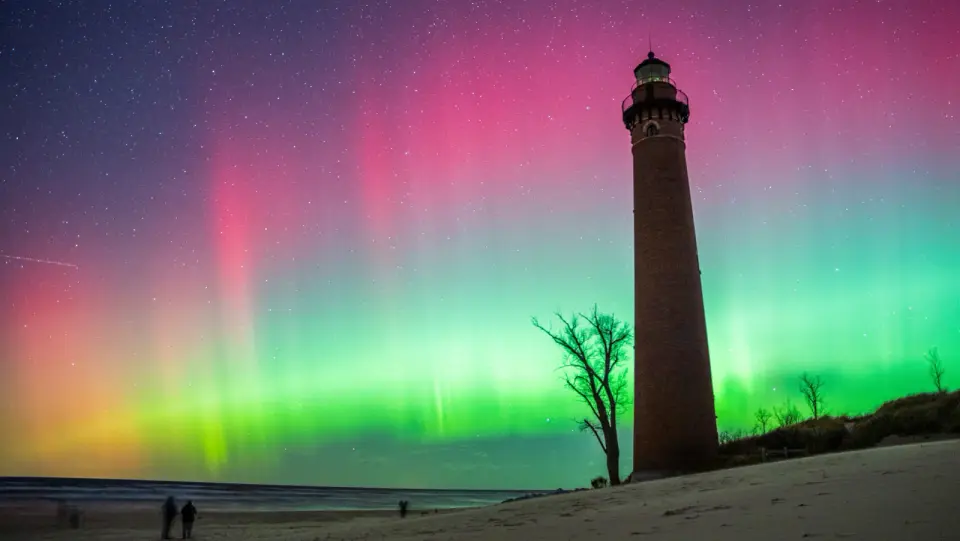
Solar Flare Drives G2 Storm Watch for Michigan Aurora on Oct. 8-9
4 days ago•Source: Detroit Free Press

The latest science and environment stories, each synthesized from multiple sources with added background and context.
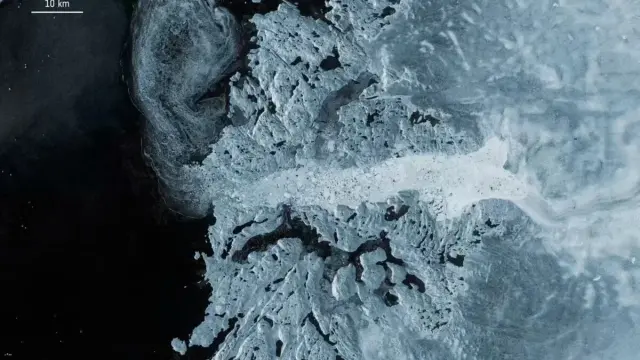
A new review in Nature Reviews Earth & Environment warns that the Wilkes Subglacial Basin in East Antarctica, long considered stable, may be vulnerable to rapid ice loss. The basin contains enough ice to raise global sea levels by 3 to 4 meters. Scientists urge urgent fieldwork to map the region, as current data is limited to radar and satellite observations.
The Independent•7 days ago
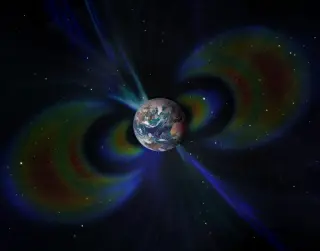
Earth's magnetic field has weakened by 9% over the last two centuries, potentially signaling an upcoming pole reversal. While this does not cause current global warming, a reversal could increase atmospheric ionization from cosmic rays by 13% at sea level, potentially influencing cloud formation and future climate patterns.
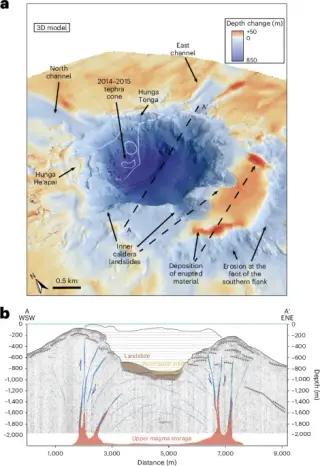
A new study in Nature Geoscience details how the 2022 Hunga Tonga eruption caused a rapid, piston-style collapse of its submarine caldera, displacing 8.9 cubic kilometers of material. This sudden subsidence, which occurred during the eruption, is linked to the generation of an extreme tsunami and the severing of underwater cables, highlighting the hidden hazards of small underwater volcanoes.
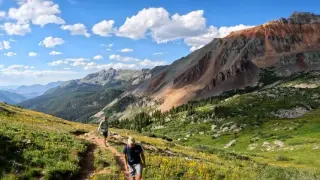
A collaborative study by the Utah Geological Survey, Brigham Young University, and the University of Utah has quantified the significant water storage capacity of rock glaciers in Utah. Using gravimetric measurements and 3D modeling, researchers determined that the rock glacier beneath Mount Timpanogos holds approximately 1.55 million cubic meters of ice, equivalent to 600 Olympic-sized swimming pools. The findings suggest that rock glaciers across the state may store roughly one gigaton of ice, providing a climate-resilient water source that releases meltwater year-round, even during late summer droughts. This hidden reservoir is currently unaccounted for in state hydrological models, highlighting a critical gap in water resource management.
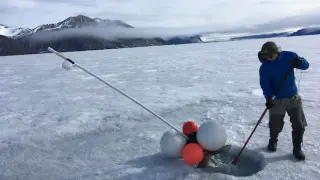
Canada's final epishelf lake, a rare freshwater layer floating on saltwater in Milne Fiord, has permanently disappeared. The loss was triggered by the 2020 collapse of the Milne Ice Shelf, which acted as a dam for the lake. A new study confirms the freshwater drained within months, destroying a unique dual-ecosystem that had existed for 4,000 years. Scientists warn that such systems are unlikely to return under current climate conditions.
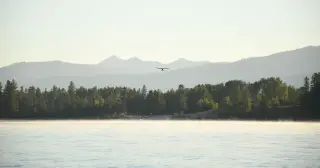
Utah has used small aircraft to stock over 300 remote mountain lakes with fish annually since 1956. The method involves dropping 1-3 inch fingerlings from a Cessna plane into water, relying on their small size to survive the fall. This approach replaces earlier, less efficient methods like horseback transport and ensures recreational fishing access in areas without road access.
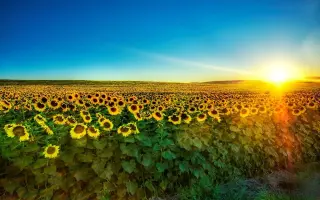
A biweekly roundup of uplifting science and nature stories: NASA's Chandra reveals 16 new X-ray galaxy images in a galactic gallery; California reports a record 30,000 coho salmon returning to its rivers; Ripley’s Aquarium Myrtle Beach celebrates a penguin chick boom; coconut husk fungi show potential to biodegrade sunscreen and plastics; FDA approves daraxonrasib, a KRAS-inhibiting drug, doubling lifespan for some pancreatic cancer patients.
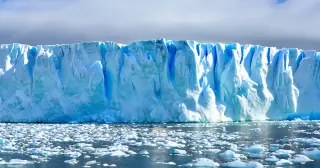
Bubbles trapped in Antarctic ice at Dome C preserve a continuous record of Earth's atmosphere for about 800,000 years, with the EPICA project drilling a 3,270‑metre core to chart past CO2 and gas compositions; a 2025 follow-up near Little Dome C extends the archive to around 1.2 million years, though the deepest sections show extreme compression that reduces resolution, revealing that CO2 ranged from ~180 ppm in ice ages to ~280 ppm in warmer periods, while today’s levels exceed the natural variation seen in the record.
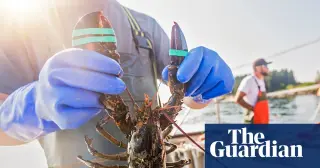
New England lobsters face rising ocean temperatures and shrinking inshore stocks as scientists test ocean alkalinity enhancement (OAE) in the Gulf of Maine to boost the ocean’s carbon uptake and study its effects on lobsters and other marine life. The effort, under the LOC-NESS program, comes amid shifting funding—strong private and European backing countered by US cuts—raising questions about ecological risks and the role of geoengineering alongside urgent fossil-fuel reductions.
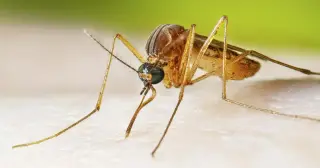
A warming climate and disrupted ecosystems are expanding the range of disease-carrying mosquitoes and fleas in California, fueling spikes in West Nile virus and raising dengue and flea-borne typhus risks; experts say multiple factors—heat, urban expansion, wildlife interactions, and rodenticide bans—are at play, making California a focal point for the growing threat of vector-borne diseases.
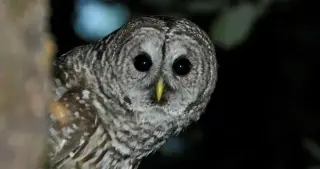
A California GPS-tracking study shows invasive barred owls overwhelmingly occupy tall, old-growth stands that spotted owls depend on, with 64% overlap in home ranges and 38% in high-quality nesting habitat. Ongoing management that removed 1,171 barred owls freed more than 1,800 square kilometers of habitat (including about 1,150 km2 of prime nesting/roosting forest) for spotted owl recolonization, underscoring the need for sustained barred-owl control to protect the old-growth ecosystem.