
MDPI Retracts Flawed 2023 Paper Challenging CO2-Climate Link
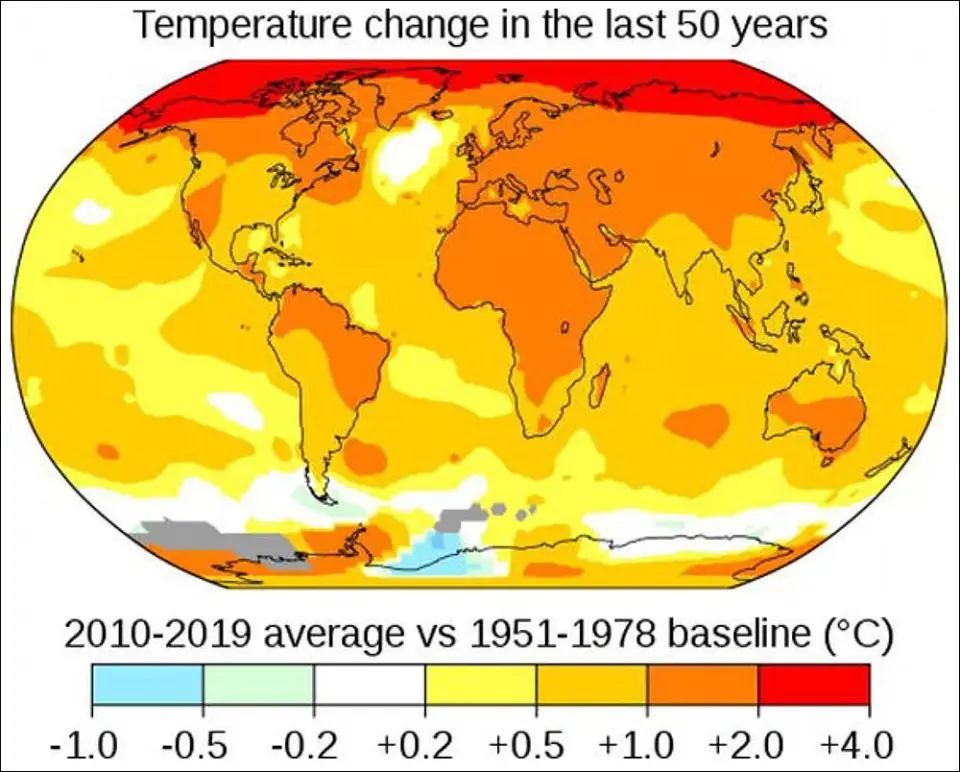
A 2023 paper by Stuart Harris questioning the link between carbon dioxide and climate change was retracted by the journal Atmosphere on September 16 due to significant errors. The article, which gained widespread attention on social media, contained factual inaccuracies regarding data sources and historical timelines. Experts described the work as chaotic and unsupported by peer review standards.
Key points
- The paper, published in August 2023 in the MDPI journal Atmosphere, was retracted on September 16 after an investigation found significant concerns.
- Author Stuart Harris, a former geography professor at the University of Calgary, claimed CO2 data came primarily from a single station in Hawaii, ignoring over 221 global monitoring stations.
- Harris incorrectly identified the Mauna Loa observatory as Mauna Kea and claimed it began measuring CO2 in 1900, whereas records started in 1958.
- The paper misinterpreted NASA temperature maps, claiming warming patterns did not align with industrial centers, despite data originating from weather stations, ships, and buoys, not satellites.
- The article also contained a historical error, stating Neanderthals went extinct 3,200 years ago instead of approximately 40,000 years ago.
- The paper received 26,000 views and 869 mentions on X, with coverage from climate skeptic outlets, but was cited only four times in academic literature.
Background
This retraction follows a trend of correcting flawed climate science literature. In 2023, another paper claiming the climate crisis was not evident was retracted after review. More recently, in September 2026, Nature retracted a study on atmospheric evaporative demand due to calculation errors. These incidents highlight ongoing scrutiny of peer-reviewed climate research, particularly regarding data interpretation and methodological rigor. Current scientific consensus, supported by recent studies on global warming impacts, continues to emphasize the role of human-caused emissions in climate change.
Why it matters
The retraction underscores the importance of rigorous peer review and data accuracy in climate science. Flawed studies can mislead public discourse and policy discussions, especially when they gain traction on social media. Ensuring that published research meets high standards helps maintain trust in scientific findings and supports informed decision-making on climate issues.
What to watch
The journal Atmosphere has not disclosed specific details of the investigation due to confidentiality. Stuart Harris did not respond to requests for comment. The retraction notice remains public, and the paper is now marked as retracted in academic databases. No further action is expected from the journal or the author at this time.
Want the full story? Read the original reporting
Read on Retraction Watch