
MI5 Elevates Societal Resilience as Core Mission Amid AI and Hybrid Threats
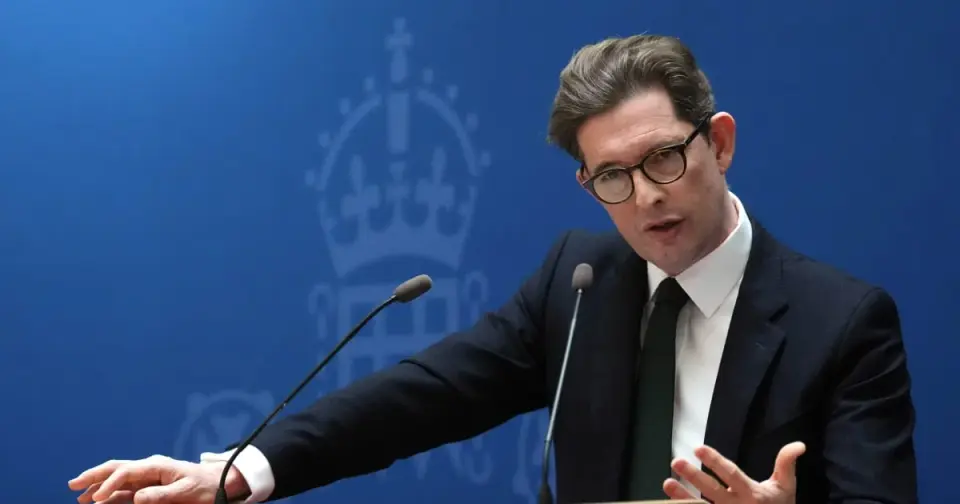
On October 13, 2026, MI5 Director General Sir Ken McCallum declared a 'new era' of security, elevating societal resilience to a third core mission alongside counterterrorism and state threat countermeasures. He warned that state threats have quadrupled in a decade, with Russia identified as the primary aggressor using hybrid warfare and AI to supercharge cyber-attacks. While McCallum emphasized a 'team of teams' approach involving the public and private sector, analysts note the speech underplayed the role of algorithms in radicalizing youth and omitted discussion of rising hate crimes. The UK’s terrorism threat level has returned to 'severe,' prompting calls for broader societal engagement in security.
Key points
- MI5 has officially added 'Protect' as a third core mission, focusing on systemic, societal, and technological resilience.
- State threats have quadrupled over the last decade, with Russia described as the number one aggressor using criminal networks and proxies.
- Iran-linked operations resulted in over 50 arrests in the UK in the past year, with plots targeting Jewish sites and military bases.
- The UK’s terrorism threat level has returned to 'severe,' indicating a high likelihood of an attack.
- McCallum highlighted AI risks, including the potential for bioweapons development and the creation of a new AI Threat Assessment Centre.
- A 13-year-old was investigated for radicalization, and a 16-year-old received a 10-year sentence for a failed attack on an Islamic Centre.
Background
This update follows a series of warnings in October 2026 regarding escalating hybrid threats from Iran and Russia. Previous reports noted that Iran has shifted tactics toward high-value military targets, while Russia relies on paid proxies after intelligence officers were expelled from Western countries. The current speech builds on these developments by shifting the focus from purely state-centric threats to the broader societal vulnerabilities exposed by digital platforms and polarization.
How outlets are covering it
The Council on Foreign Relations (CFR) praised the speech for centering the human dimension and emphasizing resilience but criticized it for underselling the impact of algorithm-driven echo chambers on youth radicalization. CFR analysts noted the omission of the word 'hate' despite a 7% rise in hate crimes in England and Wales. The Law Society of Ireland highlighted the quantitative increase in state threats and the specific legal consequences for young offenders. Geographical argued that framing journalism as a security asset risks compromising press independence, while Decode39 emphasized the democratic dilemma of balancing security with open debate, noting that European protests have complicated attribution of foreign interference.
Why it matters
The shift to a 'whole-of-society' security model signals that national defense now depends on public resilience and private sector cooperation, not just intelligence agencies. This redefinition expands the scope of national security to include digital infrastructure and social cohesion, potentially influencing future legislation on AI regulation, hate crime enforcement, and media funding. It also highlights the growing vulnerability of democratic institutions to hybrid warfare that exploits internal divisions rather than direct military conflict.
What to watch
Observers will watch whether MI5’s new 'Protect' mission leads to concrete partnerships with technology companies and local institutions. European authorities are investigating potential foreign interference in recent protests, though attribution remains difficult. The UK government is expected to develop specific resilience models for different age groups, particularly Generation Z and Alpha, to counter online radicalization. Additionally, the effectiveness of the new AI Threat Assessment Centre in mitigating bioweapons and cyber risks will be closely monitored.
- Unpacking MI5’s Warning on a ‘New Era’ of Security Threats Council on Foreign Relations
- Russia is now waging hybrid warfare – MI5 chief The Law Society of Ireland
- When the spy chief praises the press Geographical
- How MI5’s security frontier runs through democratic societies Decode39
- Britain at risk of more terror attacks as US-Iran war set to explode again Daily Mirror
Want the full story? Read the original reporting
Read on Council on Foreign Relations