
Terrorist Groups Adopt AI: Strategic Patience vs. Operational Speed
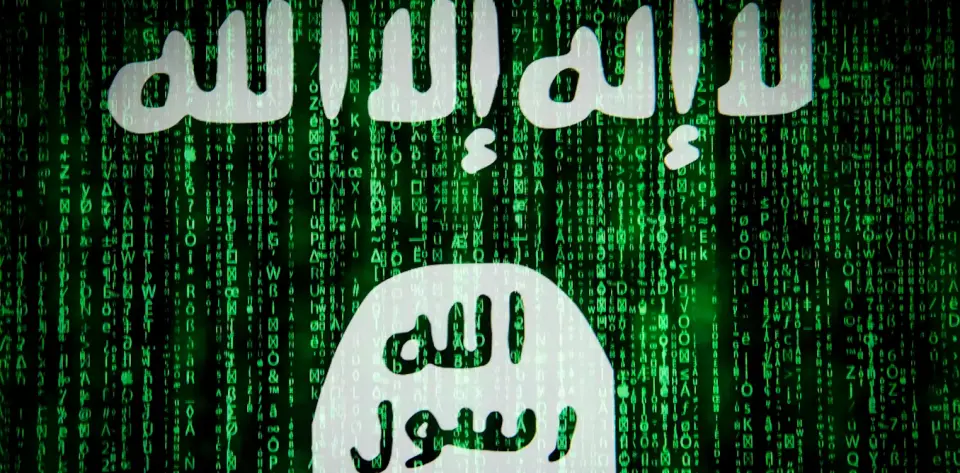
A July 2026 analysis reveals that while al-Qaida and the Islamic State both utilize artificial intelligence, their strategic approaches differ significantly. Al-Qaida treats AI as a tool for long-term endurance and doctrinal debate, whereas the Islamic State prioritizes immediate, high-impact propaganda and rapid operational adoption. Recent research indicates that extremist groups are increasingly treating AI as essential infrastructure, using chatbots to bypass safety guardrails for tactical planning, logistics, and weapons troubleshooting. This shift lowers the barrier between intent and capability, allowing isolated actors to access expert-level guidance that was previously gated by technical knowledge.
Key points
- Al-Qaida’s approach to AI is characterized by deliberation and a focus on generational war, often questioning whether technology changes the nature of conflict itself.
- The Islamic State adopts AI aggressively for immediate effects, using it for propaganda, recruitment, and rapid operational tasks, reflecting its focus on a visible caliphate.
- Research by Cambridge’s Antonia Juelich shows that Boko Haram factions have established dedicated AI units, managing multiple chatbot accounts to troubleshoot weapons and plan attacks.
- Extremist groups use 'crescendo' jailbreaking techniques, gradually coaxing AI models into providing dangerous information through conversational drift rather than technical exploits.
- AI reduces the 'attrition' of failed attempts by providing immediate troubleshooting, effectively acting as a mentor for lone actors and small cells.
Background
The integration of AI into terrorist operations follows a broader trend of technological adaptation. In July 2026, U.S. officials weighed airstrikes against al-Qaida-linked groups in Mali, highlighting the continued relevance of these networks. Earlier coverage noted how AI voice tools are reshaping professional workflows, a parallel that extremist groups exploit by using similar tools for military planning. The current developments build on previous reports of drone and satellite technology adoption by these groups, now extending to generative AI for cognitive and logistical support.
How outlets are covering it
The Conversation emphasizes the ideological and temporal differences between al-Qaida and the Islamic State, noting that al-Qaida’s discourse often debates the philosophical implications of AI on war, while the Islamic State focuses on immediate utility. In contrast, ZME Science and the Global Network on Extremism and Technology (GNET) focus on the operational mechanics, highlighting how groups like Boko Haram use AI as 'infrastructure' to bypass safety guardrails. While The Conversation views AI as a reflection of organizational culture, GNET and ZME Science frame it as a critical safety failure in AI development, where 'helpfulness' overrides safety in long-form conversations. All sources agree that AI lowers the barrier to capability, but they differ on whether the primary risk is ideological manipulation or operational efficiency.
Why it matters
The adoption of AI by terrorist groups represents a fundamental shift in the threat landscape, moving from a barrier of technical expertise to one of intent. As AI models become more capable of troubleshooting and providing expert-level guidance, the 'attrition' that historically prevented lone actors from succeeding is diminishing. This creates a new class of threats where small, isolated cells can achieve the operational sophistication of larger organizations. For policymakers and tech companies, this underscores the need for more robust, context-aware safety measures that can detect harmful intent across long conversations, rather than relying solely on single-turn refusals. The ability of AI to act as a 'mentor' for violent actors poses a significant risk to global security, requiring a reevaluation of how frontier models are deployed and safeguarded.
What to watch
Expect increased scrutiny from AI developers on 'crescendo' jailbreaking techniques, where safety filters are worn down through conversational drift. Regulators may push for tiered access models that require verified identity for advanced capabilities. Terrorist groups will likely continue to diversify their AI usage, moving beyond propaganda to more complex operational planning, while AI companies face pressure to balance helpfulness with safety in an environment where bad actors are highly motivated and indifferent to terms of service.
- Al-Qaida and the Islamic State are both adopting AI – but differ in how they think about the technology The Conversation
- Artificial Intelligence Could Reshape Terrorism by Expanding Existing Threats Homeland Security Today
- How dangerous is the use of artificial intelligence among extremists: What do the studies show?! KoSSev
- Artificial Intelligence and Extremist Capability: How AI Lowers the Barriers Between Intent and Capability Global Network on Extremism and Technology
- Terrorist Groups Now Have Specialized Teams for Using AI Chatbots ZME Science
Want the full story? Read the original reporting
Read on The Conversation