
Over 300 Women Detail Patterns of Grooming in Teenage Relationships With Older Men
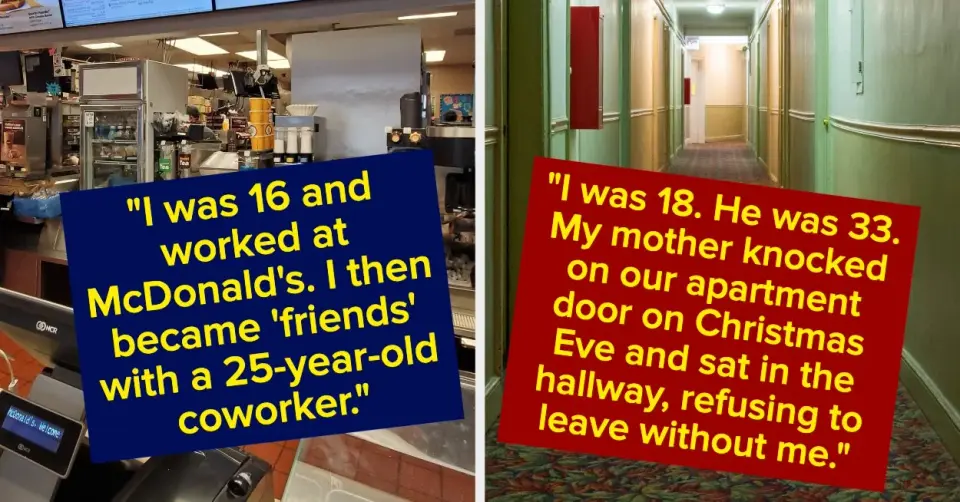
BuzzFeed published a compilation of 59 personal accounts from over 300 women who dated older men as teenagers. The stories highlight common predatory tactics, including manipulation, isolation, and exploitation of low self-esteem. Many respondents noted that societal validation and media portrayals normalized these dynamics, leading to long-term shame and psychological distress. The article emphasizes the need for better education and support systems to recognize and prevent such exploitation.
Key points
- More than 300 women submitted stories; 59 are featured in the BuzzFeed article.
- Common tactics included flattery, isolation from peers, and exploiting mental health struggles.
- Many victims reported long-term psychological effects, including shame and difficulty in future relationships.
- Some perpetrators were authority figures, such as teachers, coaches, or employers.
- The article criticizes societal victim-blaming and the lack of educational resources for teens.
Background
This topic aligns with broader discussions on predatory behavior and the normalization of age-gap relationships in media. Recent cultural analyses, such as the satire 'Everybody Wants to Fuck Me,' have explored male privilege and dating dynamics, though they focus on adult contexts rather than the specific vulnerabilities of teenagers. The BuzzFeed piece serves as a direct counter-narrative to media glorification, highlighting the harm caused by unregulated adult-teen interactions.
Why it matters
These accounts underscore the urgent need for comprehensive sex education and mental health support for adolescents. By sharing these stories, the article aims to validate survivors, challenge societal norms that blame victims, and encourage early intervention in potentially predatory relationships. It also highlights the long-term impact of grooming on self-esteem and future relationship patterns.
What to watch
Advocacy groups may use these testimonials to push for stricter policies on adult-teen interactions in schools and workplaces. Educational institutions might integrate these narratives into curricula to help students recognize grooming tactics. Additionally, mental health professionals may develop targeted support programs for survivors of teenage exploitation.
Want the full story? Read the original reporting
Read on BuzzFeed