
Bukangi finally swims free after months of failed rescue attempts in Busan
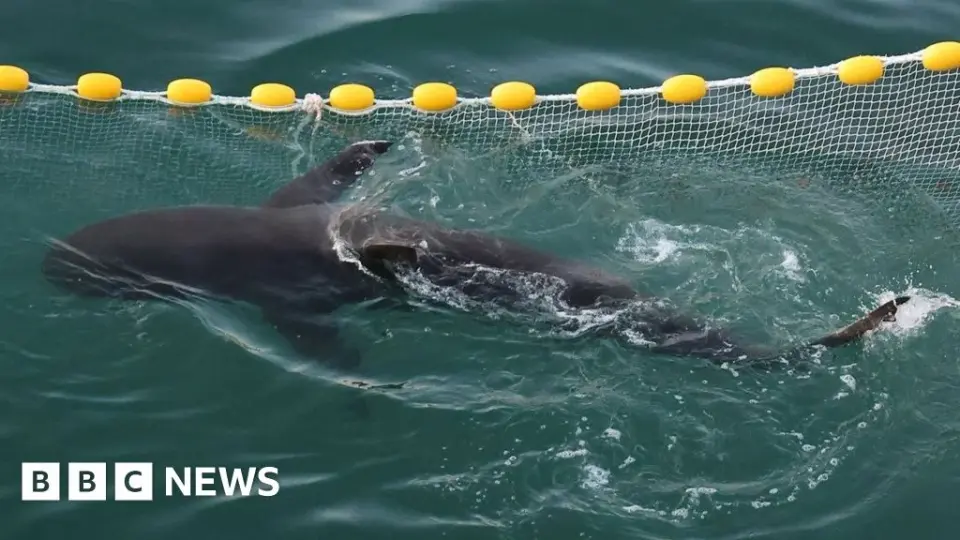
A female dusky shark named Bukangi, which became a viral sensation after becoming stranded in a Busan canal in September, has finally been released into the open sea. After multiple failed attempts to guide her out, authorities used a multi-layered net system to herd her into deeper waters on October 22. Although she briefly returned to the canal, she was successfully guided out again and has not been seen since, a sign experts view as positive. The shark drew over 1.6 million visitors during her month-long stay, boosting local tourism but raising concerns about her health due to lack of feeding and cold water temperatures.
Key points
- Bukangi, a 3-meter female dusky shark, was first spotted in a Busan canal on September 18, 2026.
- The shark drew over 1.6 million visitors, becoming a major tourist attraction and cultural phenomenon in South Korea.
- Multiple rescue attempts failed, including the use of electrical deterrence devices and water jets, before a net-based system was employed.
- On October 21, authorities successfully guided Bukangi out of the canal, but she returned overnight, prompting a new rescue effort on October 22.
- Experts warn that falling water temperatures and lack of food posed significant health risks to the shark during her stay in the canal.
Background
Bukangi's appearance in the Busan canal was linked to warming seas, which may have driven warm-water fish northward, attracting the shark. The fisheries institute recorded 46 large sharks off South Korea's east coast in the first half of 2026, nearly four times the number from the previous year. The shark's presence also sparked a local economic boom, with merchandise, a commemorative soju, and a baseball mascot featuring her image. President Lee Jae Myung visited the canal in mid-October, highlighting the national attention the situation received.
How outlets are covering it
BBC and AP News both emphasize the successful release of Bukangi on October 22, noting that her absence from the canal is a positive sign. The Guardian highlights the initial failed release on October 21 and the subsequent return of the shark, stressing the urgency of the final rescue effort. All sources agree on the health risks posed by cold water and lack of food, but BBC and AP focus more on the public's emotional connection to the shark, while The Guardian underscores the environmental factors driving the shark's appearance in the canal.
Why it matters
The Bukangi incident highlights the intersection of climate change, marine biology, and public engagement. The shark's presence in a shallow canal, far from its natural habitat, suggests shifting ocean temperatures and fish populations. The massive public response also demonstrates the power of viral events to drive tourism and local economic activity, while raising awareness about marine conservation. The successful rescue underscores the importance of coordinated efforts between authorities, scientists, and the public in addressing environmental challenges.
What to watch
Experts believe Bukangi may be adjusting to wider, deeper waters and could reappear in the coming week. However, concerns remain about potential injuries sustained during her time in the canal, particularly to her snout and pectoral fins. Authorities will continue to monitor the area for any sightings, while environmental groups will likely use the incident to advocate for stronger measures to address climate change and its impact on marine life.
- A shark went astray and captured Korea's heart - will she finally make it back to sea? BBC
- Shark nicknamed 'Bukangi' foils rescue attempts, returns to South Korean canal Reuters
- A city in South Korea seeks new ways to free a huge gray shark after it slips back into canal The Seattle Times
- Dusky shark that became a tourist draw while trapped in a South Korean canal finally swims free AP News
- Bukang-i is back: shark returns to canal in South Korea hours after being coaxed out to sea The Guardian
Want the full story? Read the original reporting
Read on BBC