
Surfline's 'Two for Two' Highlights Artificial Reef Success
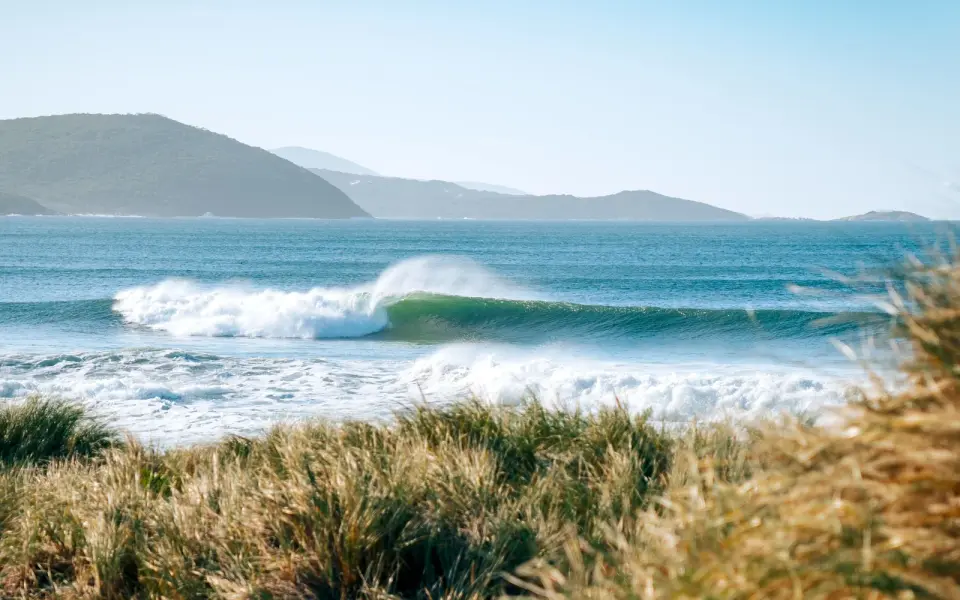
Surfline published an article titled 'Two for Two: The Artificial Surf Reef Success Story,' highlighting the benefits of artificial surf reefs. The primary source content is obscured by technical code, but the title indicates a focus on how these structures provide consistent surf conditions while potentially supporting marine life.
Key points
- Surfline released a piece titled 'Two for Two: The Artificial Surf Reef Success Story.'
- The article focuses on the success of artificial surf reefs.
- The specific details of the success story are not visible in the provided source text due to embedded JavaScript code.
- The title suggests a dual benefit, likely referring to both surfing quality and environmental or community impact.
Background
Previous coverage by Surfline on August 5, 2026, detailed the natural formation of Teahupo'o in Tahiti, emphasizing how specific bathymetry and swell conditions create world-class waves. Additionally, a September 2, 2026, report noted that artificial reefs constructed from coal ash in Poole Bay, UK, successfully hosted diverse marine life within weeks, demonstrating the potential of artificial structures to support ecosystems. These earlier reports provide background on both natural and artificial reef dynamics, contrasting the natural complexity of Teahupo'o with the engineered success of the Poole Bay project.
Why it matters
Artificial surf reefs represent a growing trend in coastal management, offering a way to provide recreational opportunities for surfers while potentially mitigating erosion or creating habitat. Surfline's focus on a 'success story' suggests that these structures are gaining recognition not just as surfing spots but as viable environmental solutions, aligning with broader efforts to reuse materials and support marine biodiversity as seen in the Poole Bay study.
What to watch
Surfline may continue to publish more case studies on artificial reefs, potentially expanding on the 'Two for Two' concept to include other locations or specific environmental metrics. The success of these projects could lead to increased investment in artificial reef construction in other coastal areas, provided they meet environmental standards and demonstrate positive ecological impacts.
Want the full story? Read the original reporting
Read on Surfline