
Syria's former grand mufti receives life sentence for war crimes
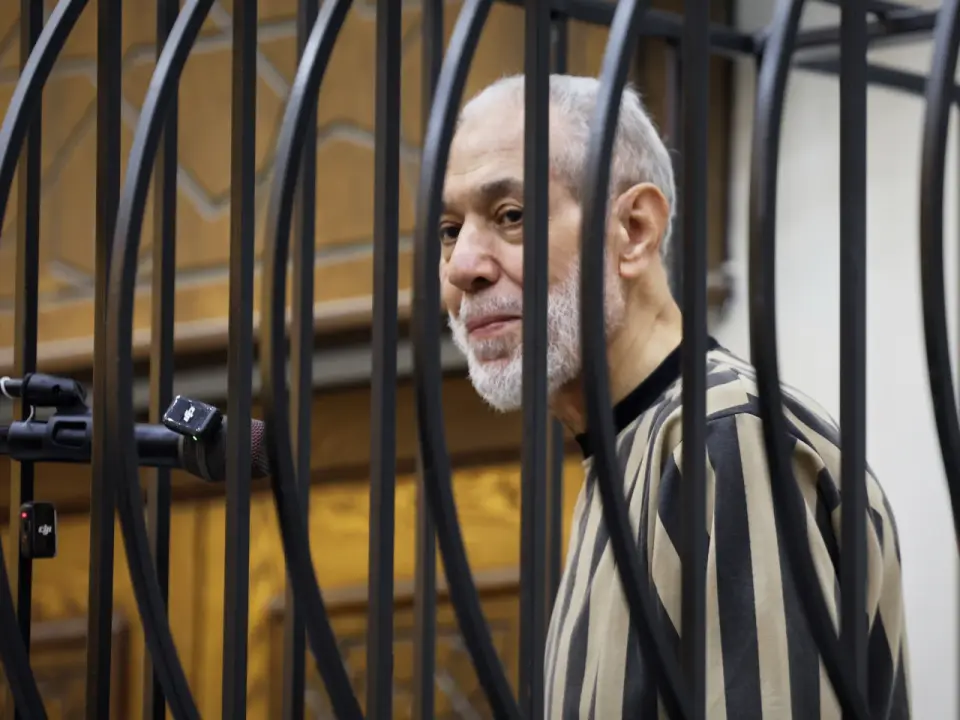
Ahmad Badreddin Hassoun, Syria's former grand mufti, was sentenced to life in prison by a Damascus court for inciting violence and justifying barrel bomb attacks during the civil war. The verdict marks the first trial of a Sunni religious figure in Syria's transitional justice process, distinguishing it from previous death sentences handed to Assad family members. Hassoun, who served as grand mufti from 2005 to 2021, was found guilty of using his religious authority to provide cover for military operations and urging the evacuation of civilians in eastern Aleppo. The court ordered the confiscation of his assets and barred him from any amnesty, while his supporters argue his statements were taken out of context.
Key points
- Ahmad Badreddin Hassoun, Syria's grand mufti from 2005 to 2021, was sentenced to life in prison by the Fourth Criminal Court in Damascus on August 24, 2026.
- The court found Hassoun guilty of inciting violence, justifying killings, and abusing his office to provide religious cover for military and security operations under the Assad regime.
- Hassoun was specifically convicted for justifying the use of barrel bombs against civilian areas, which the judge noted violated international humanitarian law.
- The verdict included a 20-year sentence for inciting killings and a 10-year sentence for prolonging killings, with additional compensation ordered for victims.
- Hassoun was arrested at Damascus airport in March 2025 after emerging from hiding, and his trial began on June 25, 2026.
- The court ordered the confiscation of Hassoun's money and properties for the public treasury and barred him from any general or special amnesty.
Background
This verdict is part of Syria's broader transitional justice efforts following the ouster of Bashar al-Assad in 2024. Previous high-profile cases include the death sentences handed to Bashar al-Assad, his brother Maher, and his cousin Wassim al-Assad for war crimes and crimes against humanity. Wassim al-Assad was the first member of the al-Assad family to be sentenced in person, while Bashar and Maher were sentenced in absentia. These cases have focused on senior regime members and the Assad family, making Hassoun's trial unique as the first to target a Sunni religious figure. The trials have been seen as a significant step in holding former regime officials accountable for crimes committed during the nearly 14-year civil war.
How outlets are covering it
Al Jazeera and AP News both report the life sentence for Ahmad Hassoun, but Al Jazeera provides more detail on the specific charges and the judge's reasoning, including the justification of barrel bombs and the use of religious authority for military operations. Al Jazeera also highlights the unique nature of Hassoun's trial as the first involving a Sunni religious figure, while AP News focuses on the court proceedings and the visual aspects of the sentencing. Both outlets note the confiscation of Hassoun's assets and the bar on amnesty, but Al Jazeera emphasizes the reactions from his supporters and critics, while AP News provides a more neutral account of the court's decision. The perspectives differ in emphasis, with Al Jazeera focusing on the broader implications of the trial for transitional justice and AP News focusing on the immediate court proceedings.
Why it matters
The sentencing of Ahmad Hassoun marks a significant milestone in Syria's transitional justice process, as it is the first trial of a Sunni religious figure, distinguishing it from previous cases involving Assad family members. The verdict highlights the role of religious authority in justifying military operations during the civil war and the potential for accountability among non-military officials. The confiscation of assets and the bar on amnesty underscore the severity of the crimes and the government's commitment to holding former regime officials accountable. This case may set a precedent for future trials of religious and non-military figures, contributing to the broader effort to address war crimes and crimes against humanity in Syria.
What to watch
The next steps will likely involve the implementation of the court's orders, including the confiscation of Hassoun's assets and the payment of compensation to victims. There may be appeals or further legal proceedings, and the case could influence future trials of other former regime officials. The reactions from Hassoun's supporters and critics may also impact public opinion and the broader narrative of transitional justice in Syria. Additionally, the case may have implications for the treatment of other religious figures and non-military officials in future trials, as the government continues to pursue accountability for crimes committed during the civil war.
- ‘Barrel bomb mufti’ Ahmad Hassoun handed life sentence in Syria trial Al Jazeera
- Assad-era’s grand mufti sentenced to life in prison by court in Damascus AP News
- Life imprisonment handed down to former Syria's former grand mufti Yahoo
- Ahmad Hassoun, Assad’s ‘barrel bomb mufti’, faces Damascus court verdict Al Jazeera
- Syria Mufti Sentenced Messenger-Inquirer
Want the full story? Read the original reporting
Read on Al Jazeera